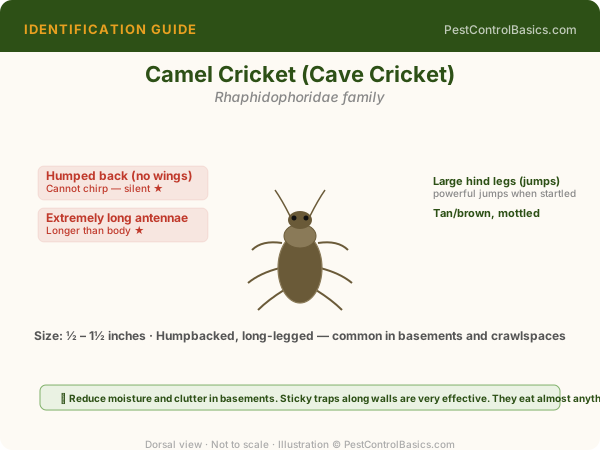
Original illustration by PestControlBasics.com. Use anatomical labels above to confirm your identification. For photo references, see the identification section below.
Why They're In Your Home
House crickets and field crickets are primarily outdoor insects. Indoor infestations are driven by three factors: white exterior lighting that attracts them at night, ground-level entry points, and moist basements that let them survive and breed inside. In late summer populations peak and they start seeking warmth — the same pressure driving stink bugs inside.
Exterior white lights are the single biggest cricket attractor. Replacing porch lights with yellow LED bulbs (2700K) or motion-activated lights can reduce indoor cricket pressure by 60–80% with no chemical treatment at all. This is step one.
Control Protocol
The Breeding Site Is Always the Drain
Drain flies lay eggs in gelatinous organic biofilm coating drain pipes. This builds in any infrequently used drain: floor drains in basements, laundry room drains, bathroom drains used rarely, and the overflow hole near the top of bathroom sinks. Spraying them with insecticide leaves the breeding site intact — new adults emerge from larvae within days.
Place clear tape (sticky side down) over suspect drains before bed. If drain flies are breeding there, you'll find adults stuck to the tape by morning. Test every drain in the home, including floor drains and HVAC condensate lines. Identify all breeding drains before treating.
Treatment — What Works and What Doesn't
What works: Enzymatic drain cleaner (Invade Bio Drain, Green Gobbler). These contain bacteria and enzymes that digest the biofilm drain flies breed in. Pour down each affected drain, let sit overnight, repeat 5–7 nights.
What doesn't work: Bleach. It kills on contact but doesn't dissolve or remove biofilm — it washes past without cleaning. Drain fly breeding resumes within days.
Physical scrubbing first: Use a flexible drain brush to break up the P-trap buildup before applying enzymatic cleaner. Physical disruption plus enzymatic treatment resolves most infestations in 1–2 weeks.
The overflow drain: The small hole near the top of bathroom sink basins connects to the main drain and is rarely cleaned. Treat it specifically — it's one of the most-missed breeding sites.
Floor drains: Pour 1 gallon of water down infrequently used floor drains weekly to maintain the P-trap water seal and block drain fly access from the sewer.
Why They Invade — The Rain Trigger
Millipedes eat decaying organic matter in moist soil and mulch. When soil becomes waterlogged after heavy rain, they migrate upward and outward seeking drier ground — toward your foundation. They die within 24–48 hours indoors because low humidity kills them. The invasion is self-limiting, but the outdoor population remains and will repeat with each heavy rain until habitat is reduced.
Both have many legs. Key differences: millipedes have 2 pairs of legs per body segment and move slowly — they curl into a ball when threatened. Centipedes have 1 pair per segment, move very fast, and can bite. The fast one darting across your bathroom floor is a centipede (beneficial predator). The slow curling one is a millipede (harmless detritivore).
Control Strategy
Indoor millipedes: Sweep or vacuum — they die quickly anyway. No indoor chemical treatment needed. Some large species secrete a mild defensive chemical when threatened (hydrogen cyanide compounds) — wash hands after handling, keep away from eyes.
The 18-inch foundation clearance zone — either bare soil or gravel instead of mulch — is the single most effective long-term millipede (and earwig) prevention measure. It also helps with carpenter ants, boxelder bugs, and stink bugs. One change reduces pressure from multiple pest species simultaneously.