πŸ‡ΊπŸ‡Έ Covering All 50 States

Identify it. Kill it.

Search any pest by name or symptom β€” get the exact ID, treatment, and pesticide for your region. 300+ species covered.

Derek Giordano β€” Expert Reviewer
Expert Reviewer
Derek Giordano
Derek Giordano owned and operated a pest control company in Central Florida for over a decade, earning his Florida Certified Pest Control Operator (CPO) license and personally treating thousands of residential and commercial properties β€” from single-family homes with termite damage to multi-unit apartment complexes battling German cockroach infestations. Every pest profile, pesticide guide, and treatment recommendation on PestControlBasics.com is reviewed by Derek against current EPA registration data, university extension research from institutions like the University of Florida IFAS and Texas A&M AgriLife, and real-world field results. When we say a product works, it's because Derek has used it β€” not because a manufacturer paid us to say so.
Read full bio β†’
Reviewed by Derek Giordano, former PCO
Built for homeowners
DIY & professional options
Available in Spanish
Region-specific advice

The free pest control resource built by people who've done this for a living

Most pest control websites exist to sell you a service call or push a product. PestControlBasics.com exists to give you the same knowledge a licensed pest control operator uses in the field β€” for free. We cover over 300 pest species with full identification guides, behavior profiles, and step-by-step treatment protocols. We explain exactly which pesticides work, which ones don't, and why β€” including the professional-grade products most sites won't mention because they can't sell them to you.

Every recommendation on this site accounts for your region, your season, and your situation. A fire ant problem in Houston requires a different approach than one in Charlotte. A bed bug infestation in a studio apartment calls for different products than one in a detached house. We don't give you generic advice β€” we give you the specific treatment plan a professional would build, then let you decide whether to do it yourself or hire someone.

This site includes 500+ city-specific pest guides, a searchable pesticide database with safety data for every active ingredient, AI-powered identification tools, and a growing library of deep-dive articles β€” all reviewed by a former pest control company owner with over a decade of hands-on field experience.

From panic to plan in minutes.

1
Identify the Bug

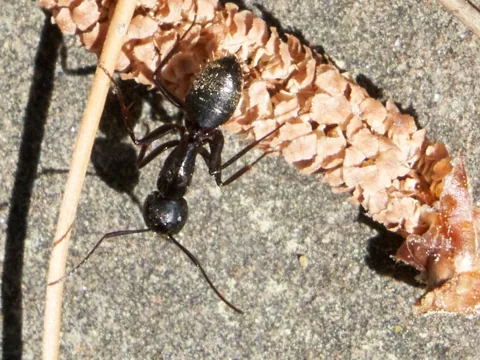
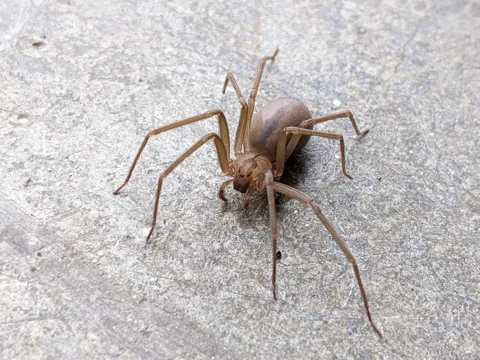
Search by name, describe what you see, or snap a photo with our AI identification tool. We'll match it against 300+ pest profiles with field-accurate ID photos, anatomical details, and the look-alikes that cause the most confusion β€” like telling a carpenter ant from a termite swarmer, or a harmless wolf spider from a brown recluse.

2
Understand the Threat

Not every pest requires the same urgency. A few pavement ants in the garage are an annoyance; a termite swarm is a structural emergency. Each profile explains the pest's biology, colony behavior, seasonal activity in your region, and the real damage it can cause β€” so you know whether you're dealing with a nuisance or a serious problem.

3
Eliminate It Right

Get the exact product, application method, and timing β€” whether you're treating it yourself with over-the-counter products or hiring a licensed professional. We cover both DIY and pro-grade options, explain when to use baits versus contact insecticides, and tell you what the pros actually use behind the scenes. No guesswork, no wasted money.

The most searched pests right now

Click any pest for its complete profile β€” ID photos, behavior, treatment options, and product recommendations.

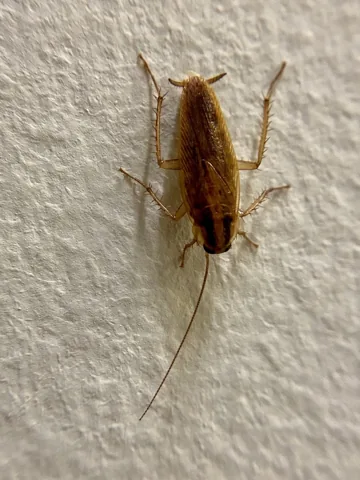
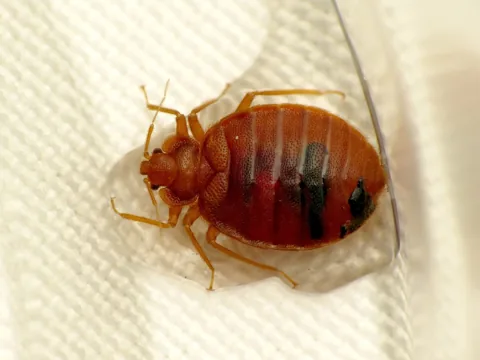
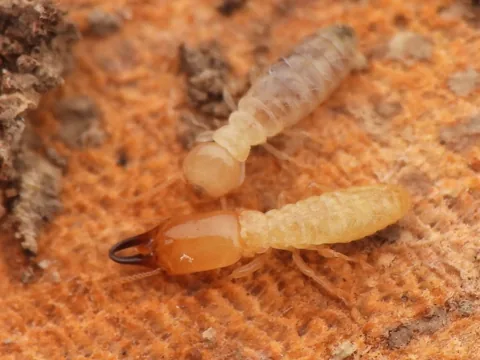
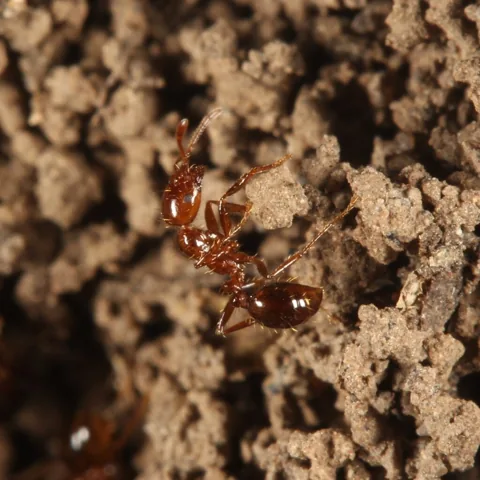
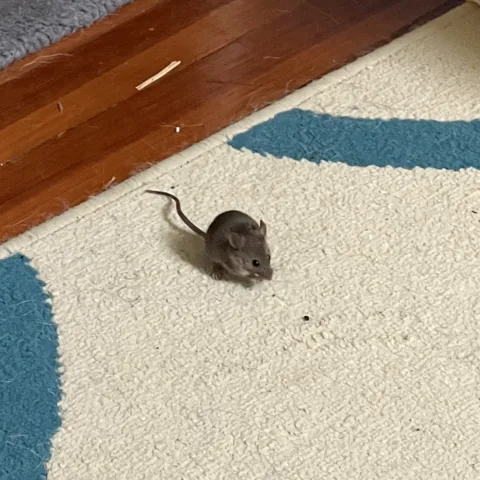
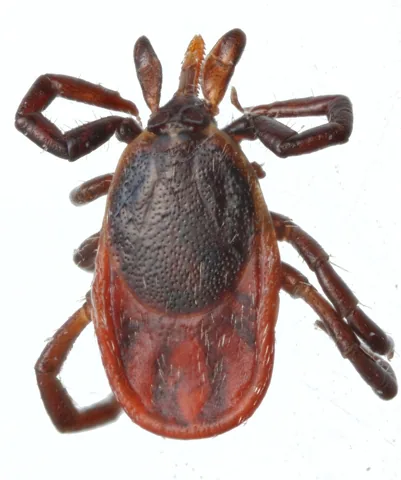
🐜 Fire Ants Colonies up to 500K. Venom can cause anaphylaxis. ID & treatment β†’ πŸ›οΈ Bed Bugs Resistant to most OTC sprays. Heat treatment is the pro standard. ID & treatment β†’ πŸͺ³ German Cockroach Reproduces fastest of all roaches. Gel bait rotation is key. ID & treatment β†’ 🦟 Mosquitoes Vectors for Zika, West Nile, and EEE. Larvicide beats adulticide. ID & treatment β†’ πŸ•·οΈ Ticks Carry Lyme disease and Rocky Mountain spotted fever. ID & treatment β†’ πŸͺ² Termites $5B+ in U.S. damage yearly. Usually not covered by insurance. Complete hub β†’ πŸ•ΈοΈ Spiders Only 2 U.S. species are medically significant. Most are beneficial. ID & treatment β†’ 🐜 Ants (All Types) 20+ species invade U.S. homes. ID the species before you treat. ID & treatment β†’ πŸ¦— Fleas Treat pet and environment together β€” one without the other fails. ID & treatment β†’ πŸ€ Rodents Exclusion is more important than trapping. Seal entry points first. ID & treatment β†’
Browse all 300+ pest profiles β†’

The pest control toolkit
no other site has built

From AI photo identification to community treatment outcomes β€” every tool is free, built for homeowners, and works right in your browser.

πŸ”¬
Lifecycle Visualizer NEW
Animated stage-by-stage lifecycle
πŸ—ΊοΈ
Regional Guides NEW
Printable field guides by region
πŸ“–
Treatment Encyclopedia NEW
48 methods with effectiveness ratings
πŸ›‘οΈ
Home Defense Planner NEW
10 zones, 120 checkpoints, scoring
πŸ’°
Cost Estimator
DIY vs. local pro vs. national chain
πŸ—ΊοΈ
Invasive Tracker
US spread maps for 6 invasive species
πŸ”§ View All 21 Free Tools β†’
⚠️ Highest Priority Pest

Termites destroy homes silently.
Here's everything you need to know.

Termites cause over $5 billion in U.S. property damage every year β€” more than fires, floods, and storms combined. Most homeowner's insurance doesn't cover it. The earliest signs are often subtle: hollow-sounding wood, mud tubes along your foundation, or discarded wings near windows during swarm season. Subterranean termites attack from below the soil line, while drywood termites can infest attic framing with no ground contact at all. An annual professional inspection costs $75–$150 and can save you tens of thousands in structural repair. Our termite hub covers every species, every treatment method, and how to protect your home before damage begins.

⚠️ Go to Termite Hub

Pest problems are regional. Find yours.

The pests in Florida are nothing like those in Montana. Browse by region for local pest profiles, seasonal activity, and the companies serving your area.

Know exactly what to buy
β€” and how to use it

Our pesticide database covers both over-the-counter products any homeowner can buy today and professional-grade formulations that require a license β€” the same products working pest control operators actually use on the job. For every active ingredient, we explain how it works at the biological level, which pests it targets most effectively, and exactly how to apply it safely. Each entry includes EPA-derived safety data such as re-entry intervals, pet and child safety ratings, and the personal protective equipment (PPE) required during application.

You'll also find practical field insights you won't get from a product label β€” like why desiccant dusts outperform liquid sprays for spider control, when to rotate active ingredients to prevent pesticide resistance, and which bait formulations are most effective for specific cockroach species. Whether you're treating a single ant trail or managing a whole-property pest plan, this database gives you the professional knowledge to choose the right product the first time.

Browse the database β†’ OTC Products Only

Go deeper

Specialized guides, visual references, and hands-on resources for every skill level.

πŸ› οΈ
Equipment Guide
Sprayers, dusters, traps, safety gear β€” what to buy and how to use it
πŸŽ₯
Video Library
Visual ID guides, treatment demos, and equipment tutorials
🌿
Lawn & Garden
Turf pests, lawn diseases, and organic lawn care management
πŸ”§
130+ DIY Guides
Step-by-step treatment guides for every common pest

Should you DIY β€” or call a pro?

Answer a few questions and we'll give you a straight answer. No sales pitch.

What type of pest are you dealing with?
🐜 Ants or crawling insects πŸͺ³ Cockroaches πŸ›οΈ Bed bugs πŸͺ² Termites or wood damage πŸ€ Rodents (mice or rats) ❓ Something else
Start Full Quiz β†’

Know what's active
before it's in your home.

Check what's hatching in your region this month β€” and what to do about it now.

🌱
Spring Checklist
Ants, termite swarms, mosquito breeding β€” what to watch for as temps rise.
πŸ“…
Seasonal Calendar
Month-by-month pest activity guide β€” know what's coming before it arrives.
πŸ“
Your Region
State-specific pest pressure, species lists, and treatment timing for your area.
Recently Updated
Spotted Lanternfly Hybrid Termite 2026 Emerald Ash Borer Update Brown Recluse Range Map Treatment Outcomes 2026
Common Questions

Pest control questions homeowners actually ask

How much does pest control cost?+
A one-time treatment for a common pest like ants or roaches typically costs $150–$300 from a licensed professional, while a quarterly maintenance plan runs $40–$70 per visit. Specialized treatments cost more β€” bed bug heat treatment averages $1,500–$3,000 for a whole home, and a full subterranean termite treatment with liquid termiticide can run $1,200–$2,500 depending on your home's linear footage. DIY treatments for surface-level problems can cost as little as $15–$50 in products. Our cost estimator tool gives you specific pricing for your pest, your region, and your home size.
Is DIY pest control effective, or should I hire a professional?+
It depends entirely on the pest. Ant trails, occasional spiders, and minor mosquito problems are well within DIY range β€” the right product applied correctly will solve them. German cockroach infestations, bed bugs, termites, and large rodent problems are a different story. These pests require professional-grade products, specialized equipment, or structural knowledge that makes professional treatment significantly more cost-effective in the long run. A good rule of thumb: if the infestation is contained to one area and you can identify the species, try DIY first. If it's spreading, recurring after treatment, or involves structural pests like termites, call a pro. Our DIY vs. Pro quiz gives you a straight answer based on your specific situation.
Are pesticides safe to use around children and pets?+
Safety varies dramatically by active ingredient, formulation type, and application method. Gel baits placed in cracks and crevices pose minimal exposure risk to children and pets, while broadcast liquid sprays on floors and baseboards require re-entry intervals β€” sometimes 2–4 hours, sometimes longer. Some active ingredients like fipronil and indoxacarb are considered low-toxicity to mammals when used as directed, while others like organophosphates carry higher risk. Every pesticide entry in our database includes specific pet and child safety ratings, required PPE, and re-entry interval data so you can make an informed decision. We also maintain dedicated guides for pet-safe and child-safe pest control.
How often should I treat my home for pests?+
For general pest prevention in most of the U.S., a quarterly perimeter treatment is the industry standard β€” that means applying a residual insecticide around your home's foundation, door frames, and window frames four times a year. In the Southeast and Gulf Coast states where pest pressure is year-round, some professionals recommend bi-monthly service. For specific pest problems, treatment frequency depends on the pest's life cycle: bed bug treatments typically require 2–3 visits spaced 10–14 days apart to catch newly hatching eggs, while a well-applied termite treatment can last 5–10 years. The most overlooked step is prevention β€” sealing entry points, managing moisture, and removing food sources does more long-term good than any spray schedule.
What should I do if I find a bug I can't identify?+
Correct identification is the most important step in pest control β€” the wrong ID leads to the wrong treatment, which wastes time and money. Start with our AI photo identification tool: snap a clear photo and get an instant match with treatment recommendations. If you want to narrow it down manually, note the size, color, number of legs, where you found it (kitchen vs. bathroom vs. attic matters), and whether it flies, crawls, or jumps. Our pest ID flowchart walks you through a decision tree that mimics how a professional identifies pests in the field. You can also browse our full pest library of 300+ species with ID photos and look-alike comparisons.
When should I be worried about termites?+
Every homeowner should take termites seriously, but urgency depends on where you live. If your home is in a high-risk zone β€” anywhere in the Southeast, Gulf Coast, or Southern California β€” you should have an annual professional inspection regardless of whether you see signs. Warning signs include mud tubes running up your foundation walls, wood that sounds hollow when tapped, small piles of what look like sawdust or tiny pellets (frass) near wooden structures, and swarms of winged insects near windows in spring. Swarmers are often mistaken for flying ants; the key difference is that termite swarmers have straight antennae and equal-length wings, while flying ants have elbowed antennae and unequal wings. If you see any of these signs, don't wait β€” get a professional inspection within the week. Visit our termite hub for species-specific guides and treatment comparisons.
The Wire β€” PCB News Desk

Pest control news, in plain English

View archive β†’

Regulatory shifts, research, and pest-borne disease alerts β€” translated for homeowners. Updated regularly by our news desk.

May 12, 2026Outbreak

CDC issues health advisory after Andes hantavirus cluster on Atlantic cruise ship

Nine confirmed cases, three deaths, and a rare person-to-person hantavirus variant aboard the MV Hondius. The CDC's HAN notice has implications well beyond the ship β€” and explains why rodent exclusion is the only durable defense.

Source: CDC Health Alert Network
May 12, 2026Invasive

Spotted lanternfly nymphs are hatching on Long Island, and the window is short

Cornell Cooperative Extension reports degree-day thresholds for first-instar emergence have been crossed in eastern Long Island vineyards. The 1st instar looks nothing like the adult β€” and is often mistaken for a tick.

Source: American Vineyard Magazine / Cornell CCE
May 5, 2026Industry

Los Angeles tops Orkin's 2026 mosquito list for the sixth year β€” but the real story is the Midwest

Milwaukee jumped 15 spots, Minneapolis climbed 6, and three new cities entered the top 50. Orkin's annual ranking reflects where new residential mosquito treatments grew fastest. Here's what it means for your yard plan.

Source: Orkin / Pest Management Professional
May 5, 2026Public Health

CDC: tick-bite ER visits up 25% over last April as 2026 shapes up as a record season

Johns Hopkins researchers and the CDC point to mild winter, mast-year acorns, and an early warm-up as the drivers. Lyme cases could exceed 500,000 in 2026. We unpack what to actually do β€” beyond "check yourself."

Source: CDC Newsroom / Johns Hopkins Bloomberg School
May 1, 2026Regulation

EPA releases draft Fungicide Strategy with 60-day comment window

The new strategy applies endangered-species mitigation points to agricultural fungicides on roughly 41 million U.S. acres. It mirrors the herbicide and insecticide frameworks. Final decision expected by November 2026.

Source: EPA Pesticides Newsroom
Apr 30, 2026Regulation

Farm Bill passes House 224–200 β€” but the controversial FIFRA preemption sections were stripped first

A bipartisan 280–142 vote removed sections 10205, 10206, and 10207 from H.R. 7567 before final passage. The provisions would have preempted state pesticide rules and limited failure-to-warn liability. Here's why it matters to homeowners.

Source: Congress.gov / Pest Control Technology