The CDC issued a Health Alert Network advisory this week about a hantavirus cluster aboard the Dutch-flagged cruise ship MV Hondius, which spent April crossing the South Atlantic with stops at remote islands including Tristan da Cunha and Saint Helena. As of the agency's latest update, the cluster includes nine confirmed cases, two probable, and three deaths. The virus has been identified as Andes virus — the one hantavirus strain that has been documented to spread directly from one person to another.
It's a striking story. It is also a story that, if you only read the headline, will leave you with exactly the wrong takeaway.
The cruise ship is not the lesson
Andes virus is endemic to parts of South America. The cruise originated in Ushuaia, Argentina. The two index cases had spent time in South America before boarding. Person-to-person transmission, while now confirmed in this cluster, has historically required close, sustained contact — sharing a small cabin for days, handling someone's body fluids, that kind of proximity. The U.S. public health risk from the cluster itself, as the CDC put it bluntly, is extremely low.
If your takeaway is "I'd better not take a polar cruise this year," you've absorbed the wrong message. The version of hantavirus most Americans actually need to worry about isn't on a ship at all. It's in a deer mouse, in a shed, in a cabin, in a barn — and it's been killing a small but steady number of Americans every year for three decades.
Sin Nombre is the strain at your back door
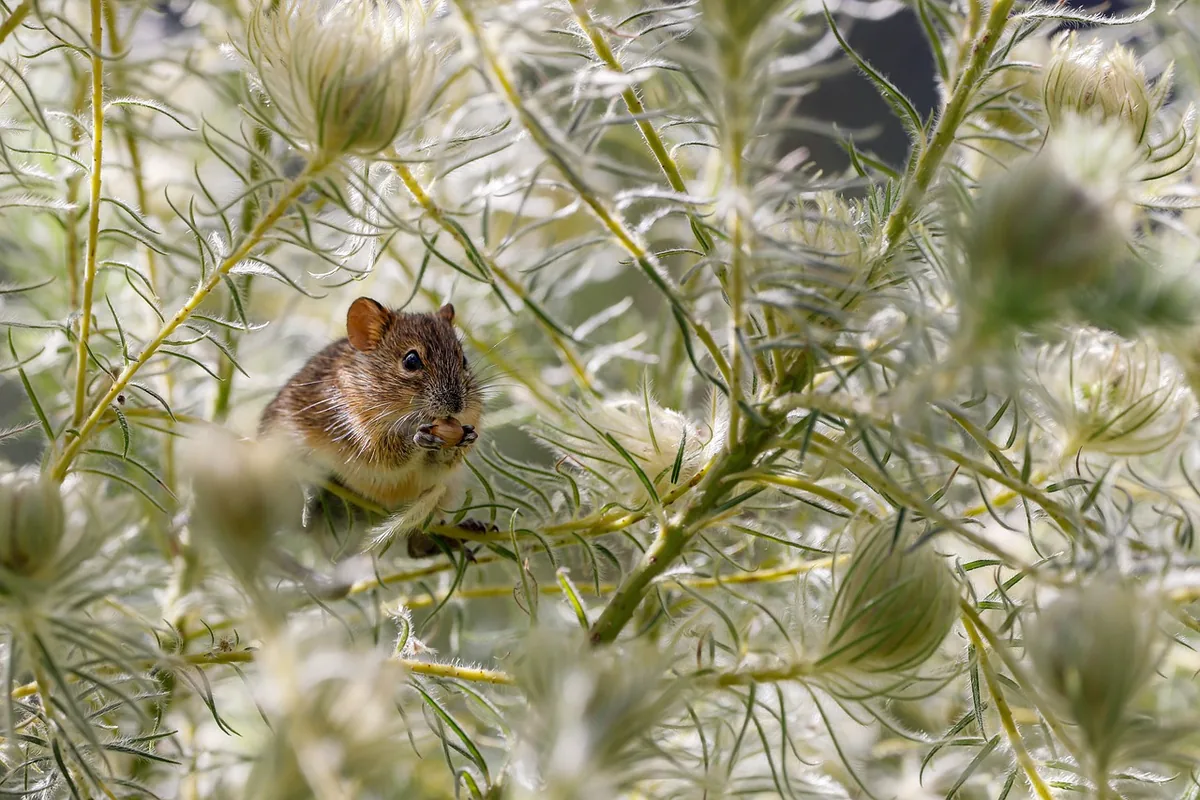
The U.S. hantavirus problem is dominated by Sin Nombre virus, carried primarily by deer mice. It does not spread person-to-person. It spreads when people disturb dried rodent droppings, urine, or nesting material and inhale the aerosolized particles — sweeping out a cabin, cleaning a shed, moving stored boxes that have been sitting untouched in a garage. The case fatality rate is around 35–40%, which is a number you should sit with for a moment. There is no specific treatment beyond supportive care.
Most people never have a reason to disturb a long-undisturbed rodent nest. Opening up a cabin, shed or outbuilding that has been closed for a while is exactly that kind of exposure, which is why CDC says to ventilate and wet-clean those buildings before using them.
What the cruise ship advisory should make you do
The HAN notice is doing what HAN notices are designed to do: alert clinicians and public health labs to a new cluster, flag the unusual transmission pattern, coordinate the international response. For the rest of us, it's a reminder that hantavirus exists at all — and for most Americans, the version that matters is sitting in a wall void or a corner of an outbuilding.
If you have a cabin, a barn, a shed, a workshop, or a garage with stored items, the right move this month is not avoidance — it's a five-minute inspection. Look for droppings (small dark grains, often along baseboards and on top of stored boxes), gnaw marks, and any soft fibrous material that looks like it was assembled rather than left. If you find evidence, the do not sweep, do not vacuum rule is the single most important sentence we can offer. Both of those actions aerosolize the very particles you're trying to avoid.
The correct cleanup is wet cleanup: spray the affected area with a 1:10 bleach solution or an EPA-registered disinfectant, let it sit for at least five minutes, then wipe up with paper towels and bag the waste. Wear rubber or plastic gloves. Ventilate the space for at least 30 minutes before entering if possible. Our full hantavirus safety guide walks through the CDC protocol step by step.
The longer-term answer is exclusion
One-time cleanup matters when you find an active problem. But the durable answer to rodent-borne disease isn't cleanup — it's keeping rodents out of structures in the first place. House mice can squeeze through openings about 1/4 inch wide, and young rats through about 1/2 inch. Most outbuildings have dozens of such gaps, and most homeowners have never gone looking for them with a flashlight.
The MV Hondius story will be in the news for another week or two and then it will fade. The deer mouse in your shed will not. If the cruise-ship advisory nudges you to actually do the exclusion work you've been meaning to do — copper mesh in the pipe gaps, hardware cloth over vents, door sweeps where there are none — it will have done more public health good than any single HAN notice usually does.
Source: CDC Health Alert Network, "2026 Multi-country Hantavirus Cluster Linked to Cruise Ship" ↗. Additional reporting via the World Health Organization Disease Outbreak News, May 2026.