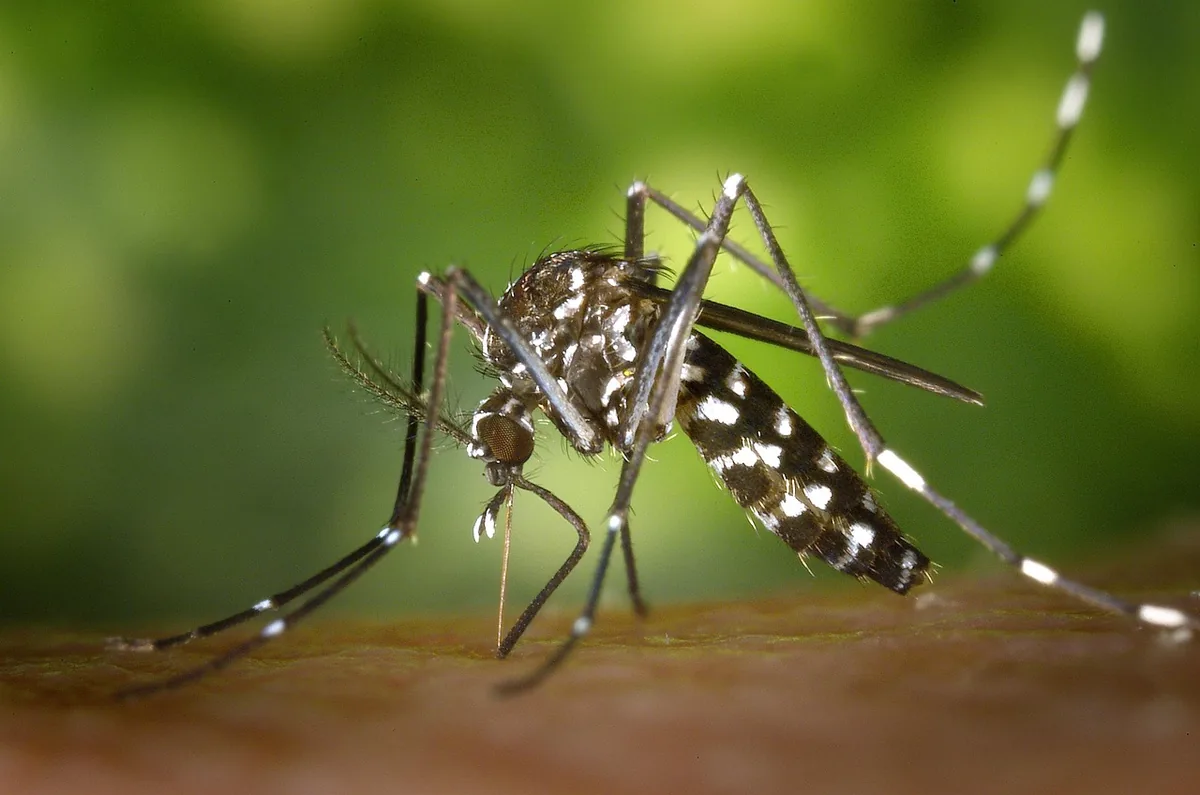
West Nile virus typically becomes a summer story. In most years, the first infected mosquitoes turn up in July, and human cases peak about a month after that. In 2026, the calendar is running ahead of schedule. Colorado confirmed its first human case of the season in a Jefferson County resident in early June. In the back half of May, public health labs reported West Nile-positive mosquito samples in Tarrant County, Texas; in Peoria County, Illinois; and in two locations near Grand Rapids, Michigan — the first detections of the year in those states. California's surveillance program logged its first positive mosquito pools and dead birds of the season as well.
None of these individual reports is alarming on its own. Taken together, an early-June human case plus first-of-season mosquito detections scattered across the Midwest, Texas, and the Mountain West point to a season that has arrived earlier than usual. Here's why, and — more usefully — what actually reduces your risk.
The common thread in the local reports is weather. Health officials across several of these states attributed the early start to an unusually warm spring, which gets mosquito populations active and breeding sooner than normal. The mosquitoes that carry West Nile in the U.S. belong to the Culex genus — house mosquitoes — and they amplify the virus in a cycle between mosquitoes and birds. When warm weather arrives early, that mosquito-bird cycle starts earlier, which means infected mosquitoes show up in traps weeks ahead of the historical norm.
One point worth underlining, because it cuts against intuition: a dry winter does not mean a quiet mosquito season. Officials in Colorado made exactly this point — even after a dry winter, recent rain can create the small pockets of standing water that Culex mosquitoes need to breed. Drought conditions can even concentrate birds and mosquitoes around the limited water that remains, which sometimes increases transmission rather than reducing it.
The reassuring part of the West Nile story is that most infections are mild or symptomless. The widely cited pattern from the CDC and state health departments is that roughly four out of five infected people never feel sick at all. About one in five develop a fever along with headache, body aches, or joint pain. A small fraction develop serious neuro-invasive disease — affecting the brain and nervous system — which can be severe or fatal and can leave lasting effects.
The people most at risk for the severe form are adults over about 55, people with weakened immune systems, and those with chronic health conditions. There is no vaccine and no specific antiviral treatment for West Nile in humans, which is why the entire defense rests on a single thing: not getting bitten.
Because there's no cure, prevention is everything — and the methods are not all equally effective. Here's how they actually rank.
1. Eliminate standing water on your property. This is the highest-leverage thing you can do, because it attacks the problem at the source. Culex mosquitoes breed in stagnant water, and they don't need much — a clogged gutter, a saucer under a flowerpot, a tarp with a dip in it, a forgotten bucket, or a neglected birdbath is enough. Walk your yard once a week and dump anything holding water. Our guide to eliminating mosquito breeding sites in standing water walks through the spots people miss.
2. Use an effective repellent on exposed skin. DEET, picaridin, and oil of lemon eucalyptus (PMD) are the repellents with the strongest evidence behind them. Concentration determines how long they last, not how well they work — match the product to how long you'll be outside. Our guide to preventing mosquito bites compares the options.
3. Cover up and time your outdoor activity. Culex mosquitoes are most active around dusk and dawn. Long sleeves and long pants during those windows meaningfully cut your exposure. Intact window and door screens keep them out of the house.
4. For larger yards, larvicide the water you can't drain. Standing water you can't eliminate — rain barrels, ornamental ponds, low spots that won't dry — can be treated with biological larvicide products that target mosquito larvae specifically and are safe for the surrounding environment when used as directed.
An early run of West Nile detections across several states is a prompt, not a panic. The virus is part of the American summer now, the season is starting earlier than it used to, and the defense hasn't changed: get rid of standing water, use a real repellent, and protect yourself at dusk and dawn. Doing those three things consistently is far more effective than worrying about the headlines.