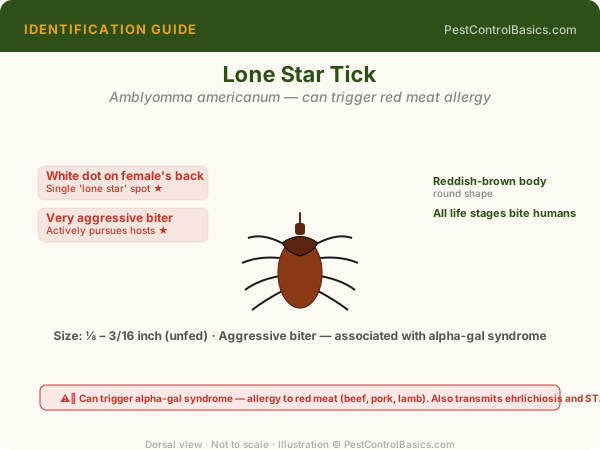
Original illustration by PestControlBasics.com. Use anatomical labels above to confirm your identification. For photo references, see the identification section below.
The white spot and aggressive behavior
The lone star tick gets its name from the single white spot (or "lone star") in the center of the female's back — one of the clearest identifying features of any U.S. tick species. Males have a different appearance: white decorative markings around the outer edge of the body rather than a single central spot.
Aggressive questing behavior: Most tick species practice "passive questing" — they climb to the tip of a grass blade or leaf and wait with outstretched front legs for a host to brush past. Lone star ticks are different: they detect host-produced chemicals (carbon dioxide, body heat, volatile fatty acids) and actively run toward the source. They can travel several feet pursuing a potential host. This behavior makes them particularly difficult to avoid in heavily infested areas.
Range expansion: Historically associated with the Southeast and South-Central U.S., lone star ticks have been expanding northward and westward for decades. They are now established well into the Midwest and Mid-Atlantic states and are increasingly found in New England.
The red meat allergy connection
Alpha-gal syndrome (AGS) is a tick-bite-triggered allergy to alpha-galactose — a carbohydrate found in the tissues of most mammals except humans and other primates. Lone star tick saliva appears to sensitize the immune system to alpha-gal, and subsequent exposure to red meat (beef, pork, lamb, venison) or other mammalian products (dairy, gelatin) can trigger delayed allergic reactions ranging from hives and gastrointestinal symptoms to life-threatening anaphylaxis.
What makes AGS particularly unusual: the allergic reaction is delayed — typically occurring 3–6 hours after eating the triggering food, making the connection to food hard to identify. Many patients suffer multiple reactions before the diagnosis is made.
AGS may be permanent. Current evidence suggests that avoiding subsequent lone star tick bites may allow some patients to gradually lose their sensitivity over years, but re-exposure reliably triggers re-sensitization.
Prevention is the only strategy: No treatment prevents AGS after sensitization — only bite prevention through permethrin clothing, DEET, tick checks, and avoiding heavy tick habitat.
Ehrlichiosis (caused by Ehrlichia chaffeensis) is the primary bacterial infection transmitted by lone star ticks. Symptoms: fever, headache, and muscle aches appearing 1–2 weeks after a bite. Treated with doxycycline. Milder than RMSF but still requires prompt treatment. Report any flu-like illness following a tick bite to your doctor and mention the exposure.