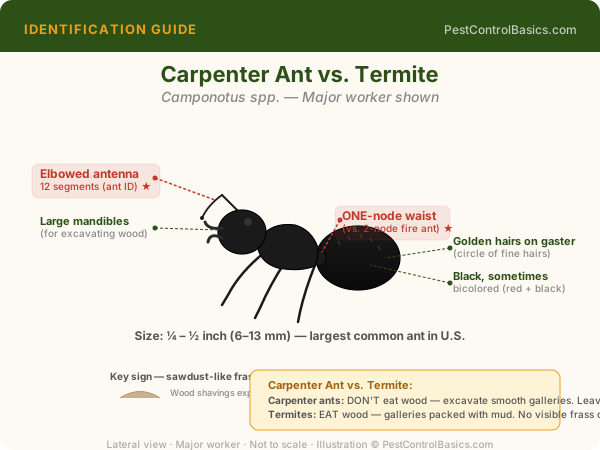
Original illustration by PestControlBasics.com. Use anatomical labels above to confirm your identification.
🔍 Identification
Carpenter Ant Damage:
- Smooth, clean galleries that follow wood grain — look sandpapered
- Coarse frass (sawdust + insect body parts) pushed OUT of galleries — often found in small piles
- Galleries follow moist/soft wood only — not dry structural lumber
- No mud or soil in galleries
- Workers are visible — large black ants, 6-13mm
Termite Damage:
- Honeycomb galleries with mud packed between tunnels
- Frass is tiny pellets (drywood) or mud (subterranean)
- Work against wood grain as well as with it
- Subterranean: always connected to soil via mud tubes
- Workers are pale, soft-bodied, wingless — rarely seen without opening damaged wood
🧬 Biology & Behavior
Both are associated with moist or damaged wood, which is why they commonly co-occur. Finding carpenter ants in wet wood almost guarantees termite presence or past termite activity in that same area.
⚠️ Damage & Health Risk
Carpenter ant damage: no structural treatment chemical required — find and fix the moisture source, then treat the nest. Termite damage: professional treatment almost always required (soil termiticide, bait system, or fumigation depending on species).
🔧 DIY Treatment
The probe test: insert a screwdriver into suspect wood. If it goes in easily, probe further to characterize the galleries. Carpenter ant galleries are clean and smooth; termite galleries are honeycomb-structured with mud or frass.
👷 When to Call a Pro
When in doubt — especially if structural wood is involved — schedule a professional inspection. Many companies offer free termite inspections.