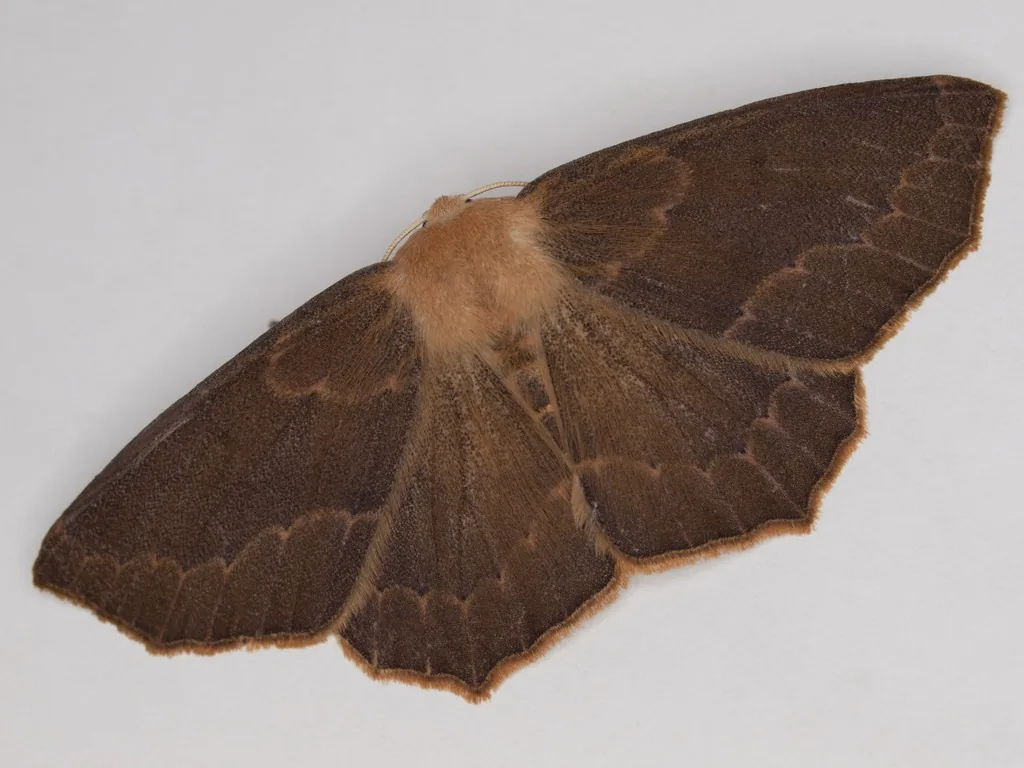
How to identify it
Where it lives
Hosts include acacia, box elder, buckeye, elm, eucalyptus, fruit trees, ginkgo, magnolia, maple, pepper tree and willow.[1]
Biology and life cycle
Eggs hatch in about 8 or 9 days, and mature larvae pupate in webbing between leaves.[1]
Egg to adult takes two to five months; there are four to five generations inland and three on the coast.[1]
Damage and signs
Health risk
It feeds on plants; UC IPM mentions no risk to people.[1]
Control
Prevention
Prune and thin canopies, since loopers thrive in protected sites.[1]
Avoid broad-spectrum, persistent insecticides that kill its natural enemies.[1]
Biological control
Trichogramma egg parasites and several braconid wasps are its most important enemies, and a granulosis virus kills larvae when they're abundant.[1]
Common questions
Sources
- University of California Statewide IPM Program, “Omnivorous Looper (Pests in Gardens and Landscapes).” ipm.ucanr.edu/PMG/GARDEN/FRUIT/PESTS/omnilooper.html (accessed 2026-10-06)
- iNaturalist, “Sabulodes aegrotata taxon page (order and family).” www.inaturalist.org/taxa/55467 (accessed 2026-10-06)