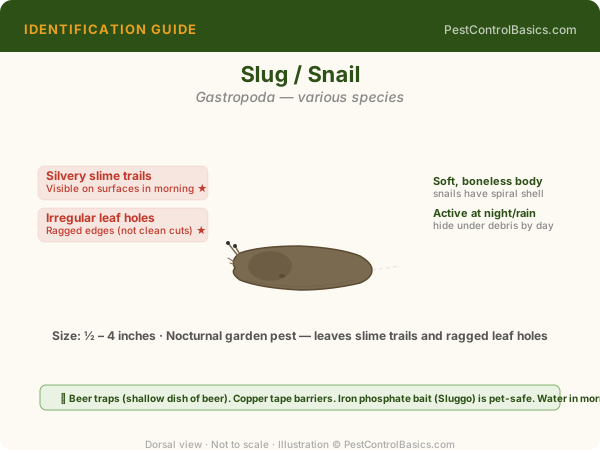
Original illustration by PestControlBasics.com. Use anatomical labels above to confirm your identification. For photo references, see the identification section below.
The slime trail confirms slugs or snails
Finding ragged holes in garden leaves is not enough to confirm slugs — caterpillars, earwigs, and other chewing insects cause similar damage. The confirming sign is the slime trail — a silvery, dried mucus streak on leaf surfaces, garden beds, or pathways that glimmers in morning light.
Night inspection: Go out with a flashlight 2–3 hours after dark on a moist evening. Slugs and snails are fully active at this time and you can assess the actual population. What looks like no slug problem during the day can reveal dozens per square yard at night.
Favorite plants: Hostas, lettuce, basil, strawberries, marigolds, and most seedlings. Thick, succulent leaves are preferred. Seedlings are particularly vulnerable — a single slug can destroy all the seedlings in a flat overnight.
Iron phosphate is the gold standard
Iron phosphate bait (Sluggo, Escar-Go): Small blue-gray granules scattered through the garden. Slugs and snails consume the bait, stop feeding, and die within 3–6 days. Iron phosphate naturally degrades in soil — it's OMRI-certified, safe for use around food plants, and poses no risk to pets, children, birds, or beneficial insects. This is the recommended first-line treatment for any garden slug or snail problem.
Sluggo Plus: Contains iron phosphate plus spinosad, which extends effectiveness to earwigs, pillbugs, and cutworms in addition to slugs and snails. Good choice for multi-pest garden bed situations.
Beer trap: Bury a container level with the soil surface and fill with cheap beer or apple cider vinegar (plus a drop of dish soap). Slugs are attracted to the yeast, fall in, and drown. Empty and refill every 2 days. Effective for small gardens; labor-intensive for large areas.
Habitat reduction: Eliminate slug daytime hiding spots — boards, debris, dense mulch against plant stems. Pull mulch 2 inches away from plant crowns. Reduce watering frequency and water in the morning rather than evening (drier soil surfaces at night = less slug activity).