Pest profile

Snailcase Bagworm

Apterona helix · Lepidoptera: Psychidae[2]

Snailcase bagworms are tiny moth larvae in coiled cases often found hanging on houses, sheds and fences.[1]

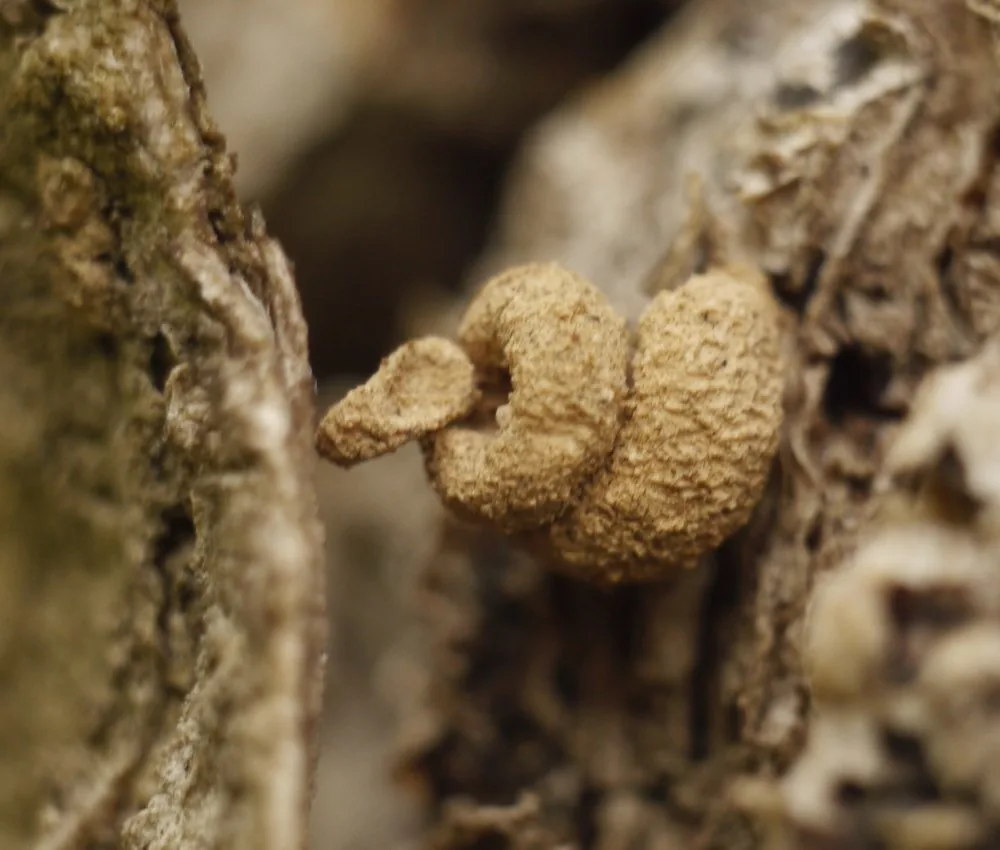
Snailcase bagworm case, a tiny coiled snail-like case of soil and silk attached to a surface
Snailcase bagworm case, a tiny coiled snail-like case of soil and silk attached to a surface. (c) Roman, some rights reserved (CC BY) — via iNaturalist, CC BY 4.0

How to identify it

  • The case coils like a snail shell, usually three whorls about 4 mm across, made of silk, soil and frass.[1]
  • Cases often look like small coils of dirt or droppings.[1]

Look-alikes

Look-alikeHow to tell them apart
BagwormA different bagworm; the snailcase bagworm's case is a small coiled spiral.[1]

Where it lives

Introduced from Europe in the 1940s and found in Albany, New York, in 1962, it occurs in mid-Atlantic states and has been reported in Pacific coast and interior states such as Colorado and Michigan.[1]

US map: public records from 14 states since 1990 (GBIF).

Biology and life cycle

It reproduces without males and is wingless in every stage; young larvae overwinter in the mother's case.[1]

In early July mature larvae climb trees, fences, buildings or vehicles and pupate attached by silk.[1]

Damage and signs

  • Larvae make small leafminer-like holes and slug-like surface feeding, but rarely cause economic loss.[1]
  • Pulling cases off buildings can chip paint; high-pressure water hasn't removed them.[1]

Health risk

It feeds on plants; Penn State Extension mentions no risk to people.[1]

Control

Traps and physical control

Hand-picking is the only way to remove pupated cases from buildings, fences and vehicles.[1]

Pesticides

Treat on the host plant before larvae migrate to pupate; sprays after pupation fail.[1]

Common questions

What are the tiny snail shells stuck on my siding?
They're probably snailcase bagworm cases, attached for pupation.[1]
Can I pressure-wash snailcase bagworms off?
Penn State reports high-pressure water sprays have failed; hand-picking is the option.[1]

Sources

  1. Penn State Extension, “Snailcase Bagworm.” extension.psu.edu/snailcase-bagworm (accessed 2026-10-06)
  2. iNaturalist, “Apterona helicoidella taxon page (order and family).” www.inaturalist.org/taxa/875949 (accessed 2026-10-06)

Updated 2026-10-14. Built from sourced records. Spot an error? Tell us.