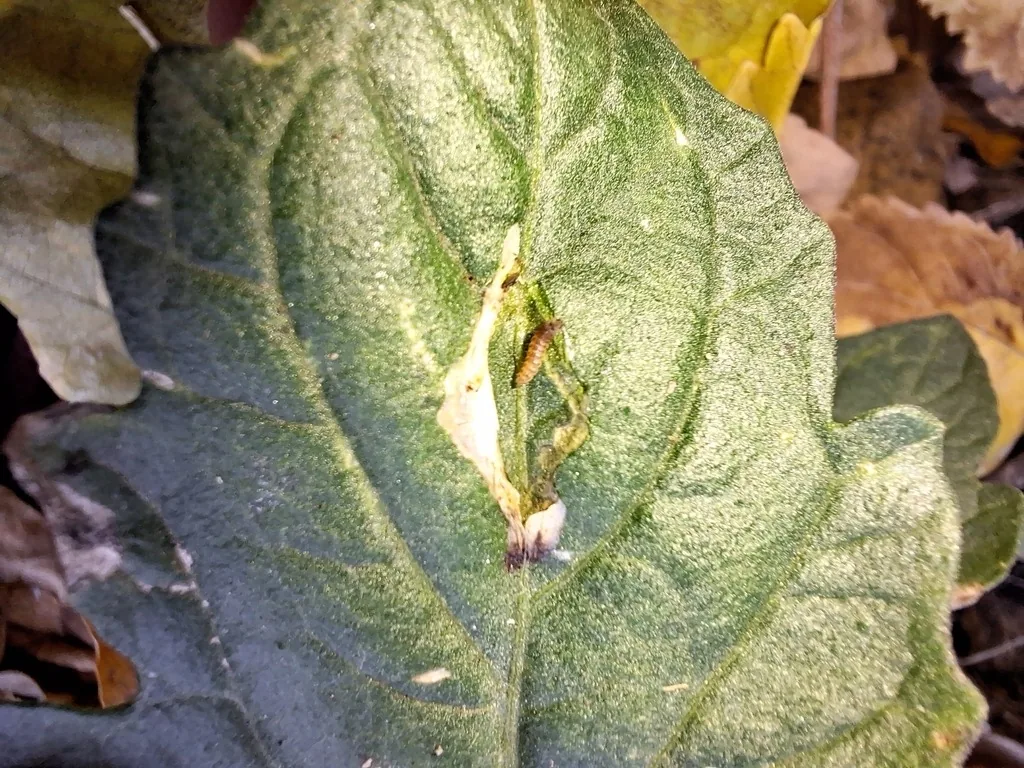
How to identify it
Where it lives
It lives in warm areas of Mexico, California, Texas, Hawaii and the Caribbean; in Florida it's common in tomato areas along the southern coasts.[1]
Biology and life cycle
There can be seven, eight or more overlapping generations a year.[1]
Hosts include tomato, eggplant, potato and nightshade weeds.[1]
Damage and signs
- As much as 60 to 80 percent of tomato fruit can be infested in a season, and holes let in rot.[1]
Health risk
It feeds on plants; UF/IFAS mentions no risk to people.[1]
Control
Sanitation
Use transplants free of eggs and larvae, and destroy plant debris after harvest.[1]
Pesticides
Insecticides work only on early larvae; older ones are protected in leaf folds or fruit, so watch closely for mines.[1]
Common questions
Sources
- University of Florida IFAS Extension (Featured Creatures), “Tomato Pinworm, Keiferia lycopersicella (Featured Creatures).” edis.ifas.ufl.edu/publication/IN231 (accessed 2026-10-06)
- iNaturalist, “Keiferia lycopersicella taxon page (order and family).” www.inaturalist.org/taxa/416926 (accessed 2026-10-06)