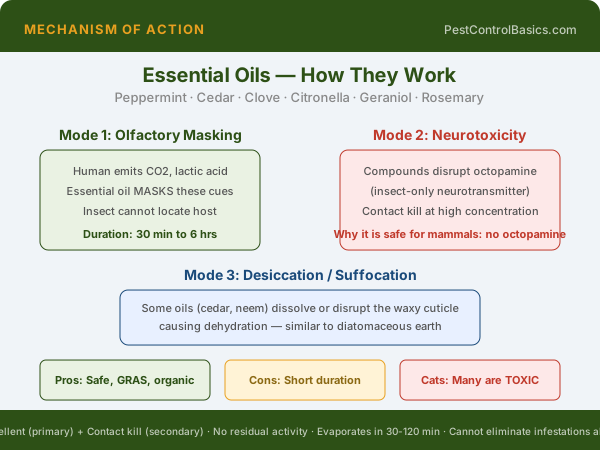
Cedar oil (cedarwood oil) is one of the oldest and most effective natural insecticides. It kills by disrupting octopamine — a neurotransmitter found only in insects, not mammals. This gives it genuine selectivity. EPA 25(b) exempt with a long history of safe use.
🧪
Classification
Plant Essential Oil (Cedrus / Juniperus)
Signal Word
Exempt (25b)
Mode of Action
Disrupts octopamine neurotransmitter (insect-specific); also desiccant and repellent
How essential oil works — illustrated mechanism of action
Fleas (proven lethal contact), ticks (repellent + contact kill), moths (classic use — cedar closets and chests), mosquitoes (moderate repellent), ants (repellent), cockroaches (repellent, moderate contact toxicity), mites, bed bugs (repellent only — will not eliminate infestation).
🏷️ Products & Brand Names
Cedarcide Original (spray), Wondercide (cedar-based sprays), Cedarcide Outdoor Bug Control (granules), cedar blocks and sachets (for closets/drawers), CedarSafe closet liner panels, Vet's Best Flea & Tick spray (cedar + peppermint). Pure cedarwood essential oil.
⚠️ Safety & Precautions
Excellent safety profile. Non-toxic to mammals because mammals do not have octopamine receptors. Safe around dogs when used as directed. Traditional cedar closets and chests have been used safely for centuries.
⚠️ Cats: Cedar oil is generally considered safer for cats than most essential oils, but concentrated direct application should still be avoided. Use cedar products in ventilated areas and don't apply directly to cats without veterinary guidance.
Can stain light fabrics. Test on an inconspicuous area first. Strong scent that some people find overwhelming in enclosed spaces.
Example
0.5 oz
per gallon
⚗️ Mixing Calculator
Enter your sprayer size and target rate — get the exact amount to pour. Backpack, hand sprayer, hose-end, or skid unit.
For fleas: Cedar oil sprays (like Wondercide or Cedarcide) applied to pet bedding, carpets, and baseboards provide genuine flea knockdown. Multiple applications needed — not a one-shot solution. Works well as part of an integrated approach with pet treatment.
For moths: Cedar blocks, sachets, and lined closets/chests are the time-tested approach. The scent repels adult moths from laying eggs. Replace or sand cedar blocks annually when the scent fades — the surface oils deplete over time.
For yard treatment: Cedar granules spread around the yard perimeter repel fleas, ticks, and mosquitoes. Reapply monthly or after heavy rain. Most effective when combined with keeping grass short and removing leaf litter.
🐛 Pests This Treats — Learn More
Click any pest to view its full identification guide, biology, and treatment options.
Active residual — killing or repelling target pests
🔄
Reapply
Re-treat when pest activity returns or residual expires
❓ Frequently Asked Questions
Q: Is cedar oil safe for pets?
Follow the product label. Keep pets out of treated areas until completely dried (2–4 hours for sprays). Once dry, treated surfaces pose minimal risk to dogs and cats.
Q: Can I use cedar oil indoors?
Check the specific product label — formulations vary. Baits and dusts often have indoor labeling; concentrates and granulars are typically outdoor.
Q: How long does cedar oil last after application?
Residual varies by formulation, surface type, weather, and UV exposure. Indoor applications last longer than outdoor. Check the product label for re-application intervals.
Q: What should I do if exposed?
Remove contaminated clothing, wash skin with soap and water. For eye contact, rinse 15–20 minutes. For ingestion or severe symptoms, call Poison Control (1-800-222-1222). Have the product label available.
📋 Safety Data Sheet (SDS)
📋
Cedar Oil for Pest Control — Safety Data Sheet
View the official SDS document for this product directly on the CDMS label database.
💡 Did you know? Cedar's pest control properties have been known for millennia. Ancient Egyptians used cedar oil in their mummification process specifically because it repelled insects. Cedar chests have protected clothing from moths since the colonial era.
🔮
Reviewed by Derek GiordanoContent reviewed by a licensed pest management professional. Last reviewed: April 2026.