Homeโ€บ Buying Guidesโ€บ Best Mosquito Repellents
๐Ÿ›’ Buying Guide

Best Mosquito Repellents of 2026

DEET vs. Picaridin vs. Permethrin vs. OLE โ€” ranked by active ingredient effectiveness, protection duration, and safety. Includes the CDC-recommended combination strategy for maximum protection.

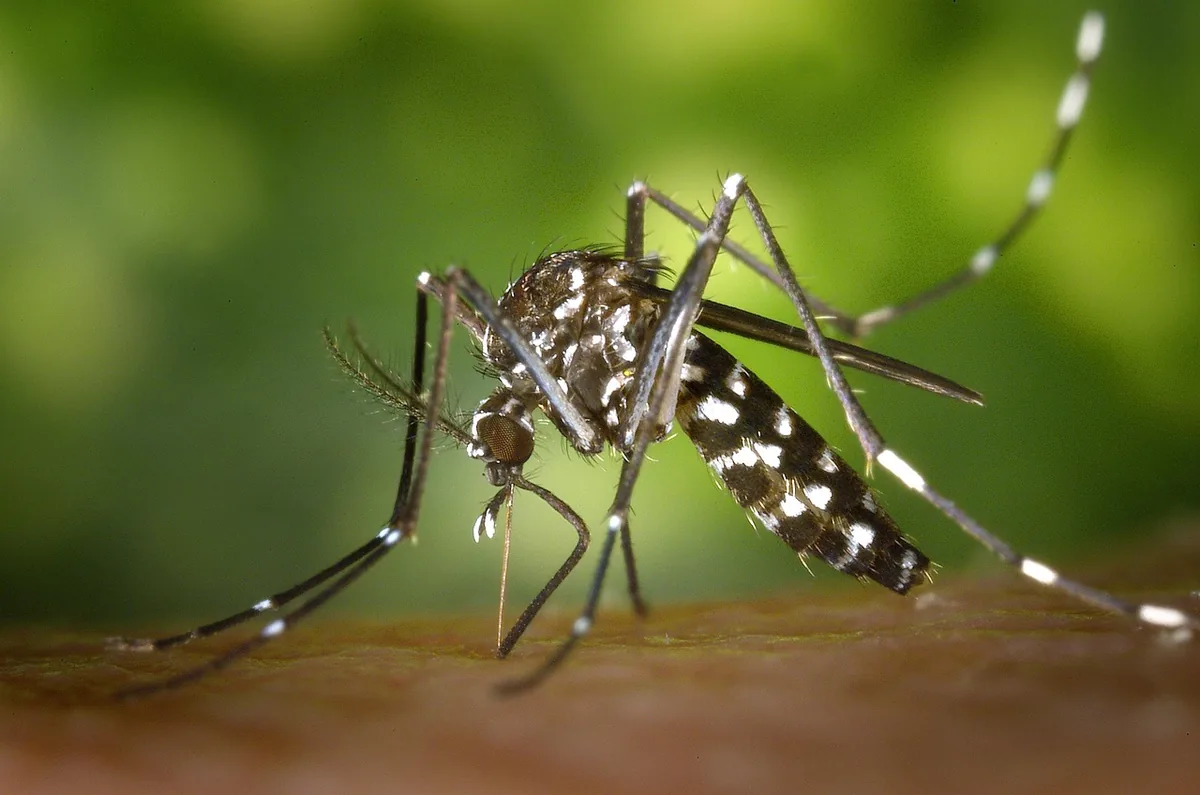
A mosquito perched on human skin
Photo by WikiImages on Pixabay
๐Ÿ’ก The Active Ingredient Is What Matters

Most mosquito repellents on the market are the same 4โ€“5 active ingredients in different packaging and concentrations. Understanding what each active ingredient does โ€” and what it doesn't do โ€” is more valuable than any brand name. CDC currently recommends DEET, picaridin, IR3535, oil of lemon eucalyptus (OLE), para-menthane-diol (PMD), and 2-undecanone as effective mosquito repellents.

By Active Ingredient

Best Mosquito Repellents โ€” Ranked by Effectiveness

1
Sawyer Products Premium Permethrin (Clothing Treatment)
Permethrin 0.5% โ€” the most effective protection available
โ˜…โ˜…โ˜…โ˜…โ˜…
Best ProtectionClothing/Gear OnlyTick Killing

Permethrin is not a repellent โ€” it is a contact insecticide applied to clothing and gear that kills mosquitoes and ticks on contact. It is the single most effective mosquito and tick protection tool available, and the U.S. military issues permethrin-treated uniforms to troops in vector-endemic zones. A tick that contacts permethrin-treated fabric experiences knockdown in 10โ€“20 seconds and dies within minutes.

Critical rule: Never apply permethrin directly to skin โ€” apply only to clothing, footwear, socks, hats, and gear. It binds to fabric fibers and remains effective through 6 washings when applied correctly (hang dry after washing to preserve treated fibers).

The combination strategy: Permethrin on clothing + DEET 20โ€“30% on skin = the maximum available protection against both mosquitoes and ticks. This is what the CDC recommends for travel to malaria, dengue, or Zika risk areas.

Active: Permethrin 0.5%Cost: $12โ€“18/12oz sprayLasts: 6 washes
โœ“ Best for: Anyone spending time outdoors in tick or mosquito season โ€” hikers, hunters, outdoor workers, yard work. Treat shirts, pants, socks, and shoes. The #1 recommendation of wilderness medicine professionals.
2
Sawyer Products 20% Picaridin Insect Repellent
Picaridin 20% โ€” the best skin-applied repellent
โ˜…โ˜…โ˜…โ˜…โ˜…
Best Skin RepellentNo Plastics DamageChild-Safer than DEET

Picaridin (also called icaridin, Bayrepel) has displaced DEET as the preferred skin-applied repellent in Europe and Australia, and is increasingly preferred in the U.S. by those who dislike DEET's feel and smell. At 20% concentration, picaridin provides 8โ€“14 hours of mosquito protection and 8+ hours of tick protection โ€” equivalent to DEET 25โ€“30%.

Advantages over DEET: No damage to plastics, synthetic fabrics, or finishes (DEET dissolves watch crystals, fishing line, and synthetic fabric). Odorless (to humans). Less greasy feel. Considered safer for children over 2 months of age. Does not absorb through skin as readily as DEET.

CDC-recommended as a full equivalent to DEET for disease prevention. Effective against Aedes aegypti and Aedes albopictus mosquitoes (Zika, dengue, chikungunya vectors).

Active: Picaridin 20%Cost: $10โ€“15/4ozDuration: 8โ€“14 hours
โœ“ Best for: Most people โ€” especially families with children, anyone who dislikes DEET's feel, and outdoor activities involving synthetic gear. The top recommendation for daily outdoor use.
3
Repel 100 DEET 98.11%
DEET 98% โ€” maximum duration for extreme exposure
โ˜…โ˜…โ˜…โ˜…โ˜†
Adult OnlyExtreme ConditionsLongest Duration

DEET (N,N-diethyl-meta-toluamide) has been the gold standard insect repellent since 1946 โ€” and remains the most extensively tested repellent in existence. At 98%, Repel 100 provides up to 10 hours of mosquito protection and is appropriate for extreme exposure situations (backcountry, high-density mosquito environments, travel to high-risk disease areas). For most everyday outdoor use, 20โ€“30% DEET is equivalent in protection with fewer skin absorption concerns.

DEET safety: DEET is safe as directed โ€” decades of research and billions of applications have not demonstrated systemic toxicity at recommended application rates. The EPA completed a comprehensive re-evaluation in 1998 and concluded DEET poses no health concerns. Do not apply to children under 2 months. Do not apply under clothing.

Active: DEET 98%Cost: $10โ€“14/4ozDuration: Up to 10 hours
โœ“ Best for: Extreme outdoor exposure, backcountry camping, hunting in heavy mosquito environments, and travel to areas with high mosquito-borne disease risk.
4
Repel Plant-Based Lemon Eucalyptus
OLE (oil of lemon eucalyptus) โ€” natural / plant-based
โ˜…โ˜…โ˜…โ˜†โ˜†
Plant-BasedNot for Under 3 Years Old

Oil of lemon eucalyptus (OLE) and its refined form para-menthane-diol (PMD) are the only plant-derived repellents CDC-approved for mosquito-borne disease prevention. PMD-based products provide 6+ hours of protection at 30% concentration โ€” comparable to DEET 20% in duration. Important distinction: OLE (from lemon eucalyptus) is not the same as straight lemon eucalyptus essential oil, which has not been demonstrated effective.

Not for children under 3 years old โ€” this is a CDC restriction specific to OLE, even though it is plant-based. Picaridin is the better choice for families with young children.

Active: PMD 30%Cost: $8โ€“12/4ozDuration: 6+ hours
โœ“ Best for: Adults who prefer plant-based products and CDC-approved protection. Not a compromise โ€” at 30% PMD, this is genuinely effective for disease prevention.
Comparison Table

Active Ingredient Quick Guide

Active IngredientMax DurationTick ProtectionKids SafeDamages PlasticApplication
Permethrin 0.5%6 washesKills on contactYes (on clothing)NoClothing only โ€” never skin
Picaridin 20%8โ€“14 hoursYes2 months+NoSkin and clothing
DEET 30%6โ€“8 hoursYes2 months+YesSkin (avoid synthetic fabrics)
DEET 98%10+ hoursYesAdults onlyYesSkin (extreme use)
OLE/PMD 30%6+ hoursLimited3 years+NoSkin and clothing
IR3535 20%4โ€“8 hoursLimitedYesDamages some plasticsSkin
๐Ÿ”ฅ The Maximum Protection Stack

For high-risk environments (Lyme disease territory, mosquito-borne disease travel, dense tick habitat): Permethrin on all clothing + Picaridin 20% on all exposed skin. This combination is used by U.S. military deployed in vector-endemic regions and provides the highest level of commercially available protection. Neither product alone matches the combination.

๐Ÿ“š More on This Topic

Related guides and profiles:

๐Ÿ”— Mosquitoes๐Ÿ”— How to Treat Your Yard for Mosquitoes๐Ÿ”— Mosquito Life Cycle: Why Source Control Beats Spraying๐Ÿ”— Mosquito (Complete) Life Cycle
๐Ÿ“š Sources: CDC Mosquito Control ยท EPA Repellent Search
DG
Derek Giordano
Certified Pest Control Operator ยท Former Business Owner
Derek ran his own pest control company in Florida for several years, servicing thousands of regular customers. All content is based on hands-on field experience and current EPA & university extension guidelines.

Personal protection that actually works against mosquitoes

Repellent product testing is well established and the products that work are well known: DEET (20-30% for adults, lower for children), picaridin (20%), oil of lemon eucalyptus (30%, not for children under three), and IR3535. Permethrin treatment of clothing (not skin) provides hours-to-days of protection per treatment and is particularly useful for outdoor work. Wristbands, ultrasonic devices, citronella candles, and Vitamin B1 supplementation do not have meaningful efficacy in controlled studies despite continued marketing. Behavioral protection โ€” long sleeves at dawn and dusk when most species are active, screens in good repair, fans on porches (mosquitoes are weak fliers) โ€” meaningfully reduces bite rate at zero ongoing cost. Combined personal protection and source reduction handles most residential mosquito pressure.

Reading pesticide labels: what most homeowners miss

The pesticide label is the most important document in any pest control decision, and it's the document most people skim. Under FIFRA (the federal law that governs pesticide registration), the label is legally binding โ€” using a product inconsistent with its label is a violation, regardless of intent. The label has several sections that homeowners should read fully before purchase, not after: the use sites (where it can legally be applied), the target pests (some products legal indoors are not for the specific pest), the mixing rate (overdosing wastes product without improving efficacy and increases drift risk; underdosing accelerates resistance), the PPE requirements (some require respirators, not just gloves), and the re-entry interval (how long until the treated area is safe for people and pets). The signal word โ€” Caution, Warning, Danger โ€” indicates acute toxicity but not chronic risk; that's elsewhere on the label. Reading labels well prevents nearly every common DIY misapplication.

Container breeders: the Aedes problem

Aedes mosquitoes โ€” including Aedes aegypti and the invasive Aedes albopictus (Asian tiger mosquito) โ€” are container breeders, meaning they lay eggs in very small water containers rather than ground pools and ditches. The eggs survive drying and hatch when water returns, which means a tarp that pools rain for one week, dries out, then refills two weeks later can produce mosquitoes both times. These species are aggressive daytime biters (unlike Culex species that bite mostly at dawn and dusk) and tend to stay close to where they emerged. Container-breeder control requires obsessive elimination of small water sources: bottle caps, plant axils on bromeliads, gutter clogs, dog water bowls left in shade. Larvicide tablets are effective for unavoidable containers. The Asian tiger mosquito has expanded its range significantly in recent decades and is now in much of the eastern and southern U.S.

Mosquito-borne disease and the public health perspective

In most of the U.S., the practical mosquito-borne disease concerns are West Nile virus (across most regions), Eastern Equine Encephalitis (limited but serious where it occurs), and emerging concerns about locally transmitted Zika and dengue in Gulf Coast areas. Lyme disease is tick-borne, not mosquito-borne. Heartworm in dogs is mosquito-vectored and is a year-round concern in much of the southern U.S. The public health perspective: even modest reductions in mosquito populations meaningfully reduce disease transmission, which is why local mosquito control districts spray during periods of elevated viral activity. Homeowner-level control contributes to community-level reduction; cooperation among neighbors on source reduction is more effective than any individual yard treatment. Local health department websites publish current viral activity data worth checking during peak season.

Why integrated pest management produces better outcomes

Integrated Pest Management (IPM) is the framework most pest management professionals follow and the framework the EPA recommends for residential and commercial settings. IPM is not anti-pesticide; it's a sequencing approach that uses cultural controls (sanitation, exclusion, moisture management) first, mechanical controls (traps, vacuuming, physical removal) second, biological controls (beneficial insects, microbial agents) where applicable, and chemical controls last and targeted. The benefit isn't ideological โ€” it's empirical. IPM-treated sites have lower long-term pest pressure than chemical-only treated sites, because chemicals address the visible population without addressing why the population developed. Homeowners who adopt IPM principles see longer intervals between treatments, lower total pesticide use, and better outcomes during the times when chemicals are appropriate. The shift from 'spray when I see them' to 'fix the conditions, monitor, treat targeted' is the single highest-leverage change most DIY practitioners can make.

Mosquito traps: which work and which don't

Consumer mosquito traps span a wide range of effectiveness, and the marketing rarely tracks the underlying data well. Bug zappers โ€” UV light electrocution devices โ€” kill insects but very few mosquitoes; one frequently-cited study found mosquitoes made up under 1% of the kill while beneficial insects made up the substantial majority. CO2-baited traps and propane-fueled traps (like Mosquito Magnets) attract mosquitoes effectively by mimicking exhaled breath; their effect on bite rates is modest in typical residential yards because they're attracting a small fraction of the area's mosquito population. Light-based traps without CO2 baiting catch mostly non-target insects. Ovitraps (gravid mosquito traps that attract egg-laying females) effectively reduce local breeding when deployed in numbers and refreshed regularly. The honest summary: traps as a standalone solution don't usually produce dramatic results, but specific traps (CO2-baited, ovitraps) can contribute as part of a layered program that also includes source reduction and possibly barrier treatment.

Reading product labels: the parts that matter and the parts that don't

Pesticide product labels are legal documents with specific use directions, but the parts that matter most for residential decisions aren't always the parts that get attention. The active ingredient and its concentration are essential โ€” they determine what category of pest the product targets and how it compares to alternatives. The 'Directions for Use' section is binding (using a product against label instructions is technically a federal violation and may void product liability), but most homeowners skim it. The 'Precautionary Statements' section tells you exposure risks and required PPE. The 'First Aid' section matters in an emergency. What matters less in practice: marketing copy on the front of the package, brand-specific claims about superiority (federal regulations sharply limit what these can say), and 'natural' or 'organic' labeling (which can be technically accurate while still describing a product with meaningful exposure considerations โ€” pyrethrin from chrysanthemums is 'natural' but still a neurotoxin in concentration). Reading labels critically โ€” focusing on active ingredient, concentration, target pest list, application method, and precautions โ€” gives a clearer picture than retail-shelf comparison ever does.

Backyard mosquito sprays: realistic expectations and limitations

Professional barrier sprays applied to landscape vegetation can reduce mosquito pressure for two to three weeks at a time, but the realistic effect size is more modest than marketing suggests. Treatments are primarily effective against the resting mosquitoes that day-shelter in dense vegetation; mosquitoes flying in from neighboring properties or breeding in untreated water sources continue to arrive throughout the treatment period. Most residential customers experience meaningful reduction (roughly 50-70% by most measures) rather than elimination. For properties with high pressure from local breeding sources, source reduction must accompany spraying to produce durable results. The treatments are generally pyrethroid-based and have meaningful non-target impacts on beneficial insects including pollinators; treatment timing in early morning or late evening reduces non-target exposure relative to mid-day application when pollinators are active. Homeowners with pollinator-friendly landscapes often combine targeted spraying of resting harborage (dense shrubs, woodland edges) with avoidance of flowering plants in the treated zone, balancing mosquito reduction with pollinator protection.

Conducting a property mosquito habitat audit

A mosquito habitat audit is a systematic walk of the property looking for any container, depression, or feature that holds water for more than a week. The exercise sounds trivial but is consistently revealing. Common findings on residential properties include clogged gutters retaining water, low spots in lawns that hold water after rain, plant saucers under outdoor potted plants, tarps with depressions, children's toys left outside, kiddie pools used briefly and not drained, bird baths not refreshed weekly, tire swings, recycling bins without drain holes, and outdoor furniture cushions with water-retaining pockets. The audit is more productive than any product purchase for properties that haven't done one recently, and it should be conducted at least once at the start of mosquito season and ideally after any significant rain event during the season. Mosquito species that thrive in container habitats โ€” including the day-biting Aedes species that have expanded their range in recent years โ€” are particularly responsive to source reduction at this level, and audits often identify drivers of biting pressure that homeowners didn't realize were present.

Pesticide residual life and reapplication intervals

The residual life of a pesticide is one of the most misunderstood properties in household pest management. Active ingredients vary widely in how long they remain bioavailable on a treated surface, and the same active can behave very differently depending on substrate, exposure to sunlight and rain, temperature, and the formulation it's carried in. A pyrethroid applied to a porous masonry surface in full sun will degrade in days; the same active in a microencapsulated formulation on a protected interior surface may remain effective for months. Understanding this is the difference between an evidence-based treatment schedule and one driven by superstition. Reapplying too soon wastes product and increases selection pressure for resistant individuals; reapplying too late creates gaps in coverage during which pest populations rebound. The right answer depends on specific conditions and is not the same number printed on the bottle in all circumstances. Field experience and willingness to monitor for early signs of pest return are what calibrate the schedule. The label is a guide, but conditions in front of you are the real input.

Container management as ongoing practice rather than one-time fix

Mosquito source reduction tends to be treated as a project โ€” a one-time cleanup of standing water followed by a sense of having addressed the problem. In practice, mosquito-conducive containers re-accumulate continuously on most properties. Rain fills empty pots, kids leave toys outside, packaging accumulates near garages, mulch piles slump into water-retaining shapes. The properties that have lowest mosquito pressure aren't the ones that did a thorough cleanup once; they're the ones that have integrated container scanning into weekly routine. Walking the property once a week during mosquito season, dumping any standing water found, and removing or modifying containers that keep collecting is a small ongoing investment that produces large compounding returns. The mental shift required is from cleanup-as-project to scanning-as-practice, which is a different category of behavior. Homeowners who frame it as a weekly habit rather than a periodic chore tend to maintain it; those who frame it as a project tend to let it lapse and then wonder why mosquito pressure climbed mid-season. A useful trigger is to pair the scan with another weekly outdoor activity like trash collection day or weekend lawn work, so the habit attaches to an existing routine rather than competing for new attention.

Published: Jun 1, 2024 ยท Updated: Apr 5, 2026
๐Ÿ”ฎ
Reviewed by Derek GiordanoContent on PestControlBasics.com is developed with input from certified pest management professionals and cross-referenced against EPA, CDC, and university extension guidance. Last reviewed: April 2026.