Homeโ€บ Buying Guidesโ€บ Best Roach Killers
๐Ÿ›’ Buying Guide

Best Roach Killers of 2026

What professionals actually use: gel bait, IGR, and desiccant dust โ€” not spray. Complete elimination protocol included. Sprays make infestations worse โ€” here's what works.

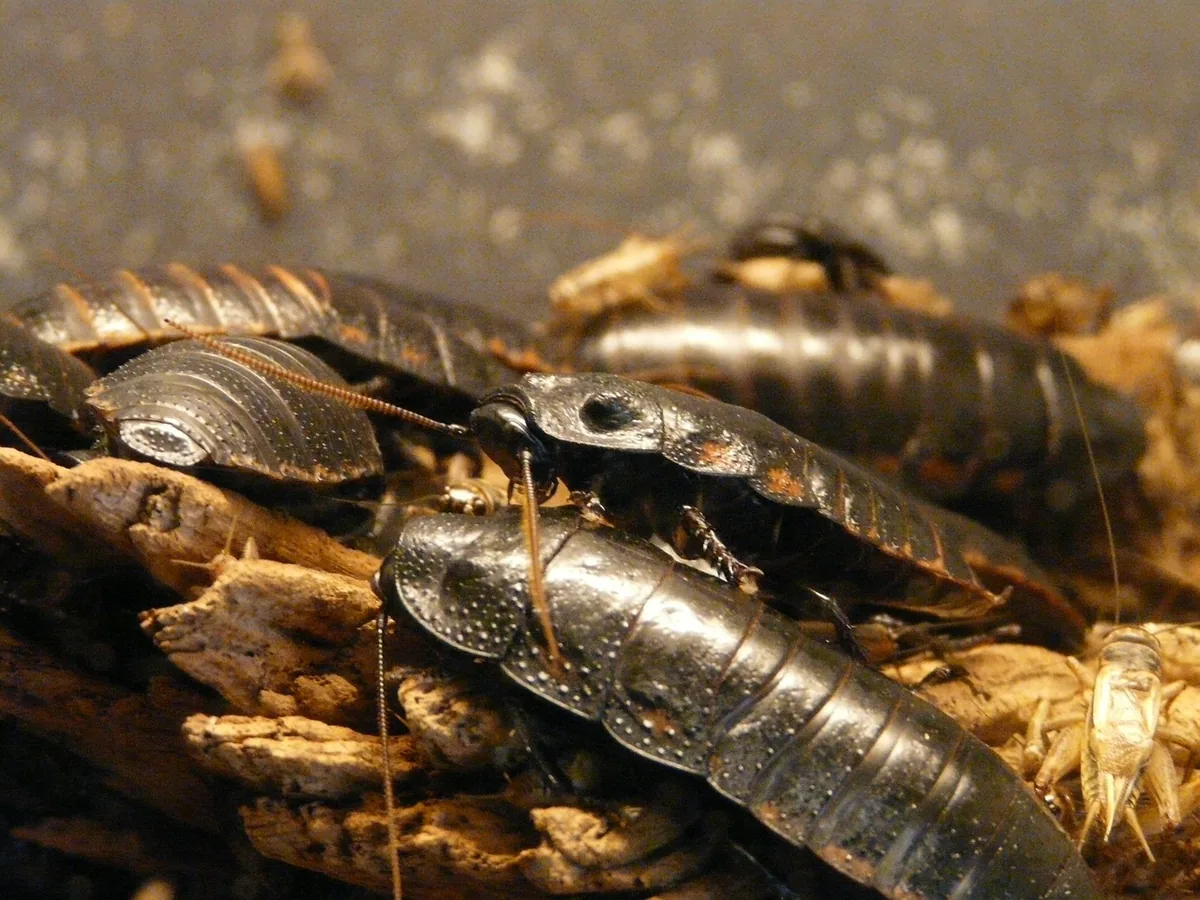
A cockroach on a textured surface
Photo by Hans on Pixabay
โš  Stop Using Sprays for German Cockroaches

This cannot be overstated: aerosol spray insecticides make German cockroach infestations worse. Sprays scatter the colony into walls, do not kill egg cases, and create insecticide avoidance behavior. The professional pest control industry abandoned sprays-only cockroach treatment in the 1990s. Gel bait + IGR is the only approach that eliminates an infestation.

By Product Type

Best Cockroach Control Products โ€” Ranked

1
Advion Cockroach Gel Bait (Syngenta)
Indoxacarb gel โ€” the professional standard
โ˜…โ˜…โ˜…โ˜…โ˜…
Professional GradeSecondary KillNo Spray Needed

Advion Cockroach Gel is the product most licensed pest control operators use for German cockroach treatment, and it is available to consumers. Indoxacarb (0.5%) is unique in that it is converted to its toxic form inside the cockroach's body โ€” this metabolic activation makes it extremely slow-acting, allowing a cockroach to consume it, return to the harborage, and be consumed by other cockroaches and cannibalized by larvae (cockroach cannibalism is a significant colony behavior), spreading the active throughout the population via secondary kill.

Application is critical: Apply in small pea-sized dots (not lines or smears) at 6โ€“12 inch intervals directly in harborage areas โ€” inside cabinet hinges, behind the refrigerator, inside the motor compartment of the refrigerator, under and inside the dishwasher, under the stove. Cockroaches must be able to aggregate around the dot and feed on it โ€” a smear prevents this aggregation behavior.

Expected results: 70โ€“80% population reduction within 7 days. Near-complete elimination within 3โ€“4 weeks when combined with Gentrol IGR. Re-bait every 2 weeks until sticky traps show zero captures for 4 consecutive weeks.

Active: Indoxacarb 0.5%Cost: $20โ€“30/4 tubesResults: 7โ€“28 days
โœ“ Best for: German cockroach infestation โ€” the definitive product. Use with Gentrol IGR for complete elimination. This is what the professionals use.
2
Gentrol IGR Concentrate (Zoecon)
Hydroprene insect growth regulator โ€” colony sterilizer
โ˜…โ˜…โ˜…โ˜…โ˜…
Sterilizes ColonyNon-Toxic to MammalsUse with Advion

Gentrol is a juvenile hormone analog โ€” it mimics the insect growth hormone that keeps cockroach nymphs in their immature form, preventing them from molting to reproductive adults. Cockroaches exposed to Gentrol develop into "brachypterous" adults โ€” malformed wings, unable to reproduce. It does not kill adult cockroaches directly, but over 60โ€“90 days, it eliminates the next generation entirely. Combined with Advion gel (which kills adults), the two products cover every life stage of the cockroach.

Application: Dilute per label and apply to cabinet interiors, under appliances, and inside harborage areas. Gentrol IGR Point Source devices are a simpler no-mix alternative โ€” small devices clipped inside cabinets that slowly release hydroprene as a vapor.

Active: Hydroprene 9%Cost: $25โ€“35/bottleWorks over: 60โ€“90 days
โœ“ Best for: Every German cockroach treatment โ€” Gentrol + Advion is the professional combination. Gentrol alone will not eliminate an infestation; it must be paired with an adulticide like Advion.
3
Vendetta Plus Cockroach Gel (MGK)
Abamectin + IGR combo gel โ€” when roaches ignore Advion
โ˜…โ˜…โ˜…โ˜…โ˜†
Bait Aversion FixIGR Included

German cockroach populations that have been heavily baited over multiple generations can develop "bait aversion" โ€” a heritable aversion to the glucose sweetener used in most gel baits. Vendetta Plus addresses this by using a different attractant matrix and including an IGR (pyriproxyfen) in the gel itself. If cockroaches are ignoring Advion gel (no feeding activity after 48 hours in a known harborage), switch to Vendetta Plus to break the aversion cycle.

Active: Abamectin 0.05% + PyriproxyfenCost: $25โ€“35/4 tubes
โœ“ Best for: Situations where Advion has failed to attract cockroach feeding. Rotate with Advion for persistent infestations โ€” alternating actives and matrices prevents resistance development.
4
CimeXa Insecticide Dust (Rockwell Labs)
Amorphous silica gel dust โ€” harborage and void treatment
โ˜…โ˜…โ˜…โ˜…โ˜…
No ResistanceLasts YearsVoid Treatment

CimeXa is amorphous silica gel โ€” it kills by absorbing the waxy cuticle layer of insects, causing death by desiccation. Because it kills mechanically rather than chemically, no insecticide resistance is possible. A thin layer applied inside wall voids, under appliances, and in undisturbed harborage areas will remain effective for up to 10 years if left undisturbed. This makes CimeXa an exceptional harborage treatment to use in conjunction with gel bait.

Application: Apply a thin, barely visible layer โ€” a heavy application creates a dust mound cockroaches will walk around rather than through. Use a hand bulb duster or Bellow Duster for controlled application.

Active: Silica gel 92.1%Cost: $15โ€“20/250gLasts: 10 years (undisturbed)
โœ“ Best for: Void treatment, under appliances, and as a long-lasting supplement to gel bait. Critical for apartments where ongoing re-infestation from adjacent units is a problem.
5
Harris Boric Acid Powder
Boric acid 99% โ€” slow-acting stomach poison and desiccant
โ˜…โ˜…โ˜…โ˜†โ˜†
Old StandardInexpensive

Boric acid is one of the oldest insecticides in use โ€” a stomach poison that also acts as a desiccant. It remains effective and has no chemical resistance issues. However, it has significant limitations compared to CimeXa: it is effective only when a thin layer is present (cockroaches avoid heavy deposits), it clumps when humid (losing effectiveness), and its kill rate is slower than CimeXa. For the slight price difference, CimeXa outperforms boric acid in every measurable way. Boric acid remains a valid option but is no longer the best choice when CimeXa is available.

Active: Boric acid 99%Cost: $8โ€“12/16oz
โœ“ Best for: Budget-conscious treatments where CimeXa is not available. Apply in thin layers with a puffer bottle. Does not perform as well in humid environments.
๐Ÿ’ก The Complete German Cockroach Elimination Protocol

Step 1: Deep clean the kitchen (degrease, remove debris). Step 2: Apply Advion Cockroach Gel in pea-sized dots inside every harborage (hinges, under fridge, motor compartment, under stove). Step 3: Apply Gentrol IGR in same areas. Step 4: Apply CimeXa in void areas and under appliances. Step 5: Place sticky traps under sink and behind refrigerator to monitor. Step 6: Re-bait Advion every 2 weeks. Expect 3โ€“4 weeks to full elimination. Never spray during this process.

๐Ÿ“š More on This Topic

Related guides and profiles:

๐Ÿ”— GermanCockroach๐Ÿ”— GermanCockroach๐Ÿ”— How to Eliminate a German Cockroach Infestation Completely๐Ÿ”— German Cockroach Life Cycle
DG
Derek Giordano
Certified Pest Control Operator ยท Former Business Owner
Derek ran his own pest control company in Florida for several years, servicing thousands of regular customers. All content is based on hands-on field experience and current EPA & university extension guidelines.

Cockroach treatment essentials beyond the spray

Cockroach control routinely fails when the treatment focuses on visible adults and ignores the egg cases (oothecae), nymphs, and harborage. Adult cockroaches you see are typically less than 10% of the population โ€” the rest is in inaccessible voids, behind appliances, and inside electronics. Effective control requires bait placement at harborage, not at activity points; gel baits placed at the back of cabinet runs, beneath appliances, and along plumbing penetrations outperform spray applied to the same surfaces. Sticky monitors used before treatment identify harborage location, then again after treatment verify population decline. German cockroaches in particular develop resistance to pyrethroids quickly; rotate among bait actives (indoxacarb, fipronil, hydramethylnon, abamectin) every few months to prevent feeding aversion and bait-shyness from developing in the local population.

Reading pesticide labels: what most homeowners miss

The pesticide label is the most important document in any pest control decision, and it's the document most people skim. Under FIFRA (the federal law that governs pesticide registration), the label is legally binding โ€” using a product inconsistent with its label is a violation, regardless of intent. The label has several sections that homeowners should read fully before purchase, not after: the use sites (where it can legally be applied), the target pests (some products legal indoors are not for the specific pest), the mixing rate (overdosing wastes product without improving efficacy and increases drift risk; underdosing accelerates resistance), the PPE requirements (some require respirators, not just gloves), and the re-entry interval (how long until the treated area is safe for people and pets). The signal word โ€” Caution, Warning, Danger โ€” indicates acute toxicity but not chronic risk; that's elsewhere on the label. Reading labels well prevents nearly every common DIY misapplication.

Sanitation thresholds that actually matter for cockroach control

Sanitation advice for cockroach control is often delivered as a generic 'keep things clean,' which is unhelpful because cockroaches will survive in almost any kitchen. The specific sanitation interventions that change population dynamics: eliminate standing water (drips, condensation, pet bowls left overnight), reduce harborage clutter (cardboard, paper bags, stored items behind appliances), and remove the secondary food sources cockroaches rely on overnight (uncleaned pet food bowls, grease accumulation on stovetops and behind ranges, spilled dry goods inside cabinets). German cockroaches can survive on the food residues most kitchens leave overnight; the goal isn't sterility but reducing the food available to a point where bait is more attractive than ambient resources. This is what makes bait programs work โ€” competition with food, not absence of food.

Insect growth regulators (IGRs) and why they belong in cockroach programs

Adulticides kill adult cockroaches but don't affect eggs in oothecae. The population can rebound within weeks as new adults emerge from egg cases that were present during treatment. IGRs โ€” hydroprene, pyriproxyfen, and a few others โ€” interrupt the development cycle so emerging nymphs never reach reproductive maturity. Combined with bait, IGRs collapse the population over the full reproductive cycle rather than just removing what's currently adult. The cost is low and the residual is long (often 90+ days), so an IGR added to a bait program is one of the highest-leverage additions a DIY practitioner can make. Many commercial IGR products are point-source (small disks placed in harborage) rather than broadcast, which keeps human exposure minimal.

How professional pest control programs differ from one-off treatments

A single treatment โ€” DIY or professional โ€” addresses what's visible today, but most pest pressure is cyclical. Professional pest control programs that work long-term are structured around inspection, monitoring, treatment, and follow-up as a recurring cycle rather than discrete events. The inspection phase identifies conducive conditions (moisture, harborage, food access, exclusion gaps) that one-time treatments don't address. The monitoring phase uses sticky traps, bait stations, or visual sweeps to catch population rebounds early, before they become visible infestations again. The treatment phase targets the specific life stages active during that visit โ€” different than blanket spraying everything. The follow-up phase verifies treatment efficacy and adjusts. Homeowners can replicate this structure on a quarterly or seasonal schedule without buying expensive equipment, and the underlying logic โ€” track, treat targeted, verify โ€” produces consistently better results than reactive treatment after problems become obvious.

Sanitation and cockroach treatment: complementary, not substitutive

The advice to 'keep the kitchen clean' for cockroach control is correct but routinely overemphasized in ways that mislead. Pristine cleanliness alone won't eliminate an established German cockroach population; the insects find sufficient food in cooking residues, drain biofilm, pet food, and ambient debris that no realistic household can entirely eliminate. Conversely, baits do work even in homes with elevated soil levels, just somewhat less efficiently. The right framing is complementary: sanitation reduces competing food sources so bait becomes relatively more attractive, while bait does the actual killing. The high-yield sanitation targets aren't cosmetic surface cleaning but specific harborage and feeding zones โ€” under and behind the stove and refrigerator (where grease accumulates), drain traps and disposal units (where biofilm feeds populations), pet food bowl areas (where dropped kibble feeds nymphs), and pantry shelves (where spilled grain dust accumulates). A focused weekend of cleaning these zones followed by proper bait placement produces results that neither cleaning alone nor bait alone matches.

Trap and bait psychology: why placement beats product choice

Across pest categories, placement is more important than the specific brand or formulation chosen, and the diagnostic data backs this up. A mediocre bait placed in the correct location outperforms a premium bait placed wrong; a basic snap trap on a runway outperforms a designer electronic trap in the middle of a room. The underlying reason is pest behavior: most pests follow predictable physical patterns โ€” walls, edges, vertical surfaces, harborage-to-food routes โ€” and traps or baits intersecting those patterns get encountered, while traps placed for human convenience often don't. Practical placement principles that apply across pest types: along walls rather than in open spaces, between harborage and food/water sources, near observed activity rather than in 'symmetric' patterns, and in higher density (more units, closer together) than feels intuitively right. Cockroach gels go in corners and crevices, not on open surfaces; rodent traps go perpendicular to walls with trigger toward the wall; pheromone traps for moths go where moth flight has been observed, not centrally; ant baits go on observed trails, not where ants are 'expected.' Spending time observing pest behavior before deploying traps almost always pays back.

Why aerosol sprays often make cockroach problems worse

Aerosol cockroach sprays remain among the best-selling pest control products despite being among the worst choices for actual cockroach control. The mechanism of harm is twofold. First, aerosols are repellent: they drive surviving cockroaches deeper into harborage or into adjacent untreated areas, sometimes expanding the problem across a building. Second, aerosols are contaminating: bait acceptance drops significantly on surfaces with aerosol residue, so a homeowner who has been spraying and then switches to bait often gets poor results from the bait that would have worked on a clean substrate. Professional German cockroach programs specifically avoid aerosols for these reasons, relying on baits, dusts in voids, growth regulators, and targeted residuals applied via crack-and-crevice rather than space sprays. Homeowners who have been treating with aerosols and not getting results should typically stop spraying, wait a week or two for surfaces to ventilate, then switch to bait โ€” counterintuitively, doing less initially produces better long-term results.

Cockroach allergens: a health dimension separate from the infestation itself

Cockroach allergens are a documented trigger for asthma and allergic rhinitis, particularly in children, and the allergen load in a home doesn't disappear immediately when the cockroaches do. Cockroach saliva, droppings, and shed exoskeletons accumulate in dust, carpets, soft furnishings, and HVAC systems over the course of an infestation, and even after the population is eliminated, the allergen reservoir can persist for many months without active remediation. This is the underappreciated reason that aggressive cleaning after cockroach treatment matters beyond aesthetics. Steam cleaning of carpets, replacing HVAC filters, washing soft goods, and HEPA vacuuming visible harborage areas all reduce the post-treatment allergen burden. For households with members who have asthma or known cockroach allergy, the cleanup phase is arguably as important as the kill phase, and skipping it can mean that respiratory symptoms continue long after the visible pest problem is solved. Pest control companies focused exclusively on the insect side of the problem sometimes miss this dimension entirely, and homeowners with affected family members are usually best served by treating the cleanup as a coordinated second project rather than as a casual followup activity to the original treatment.

When neighborhood-level coordination matters for treatment

Some pests are house-scale problems and some are neighborhood-scale problems, and treating a neighborhood-scale problem as if it were house-scale leads to a familiar frustration: treatment works, then activity returns within weeks because the source was never inside your property. German cockroach problems in multi-unit buildings are the canonical example โ€” treating one unit while the rest of the building is untreated produces temporary relief at best. Rodent infestations frequently span multiple adjacent properties, especially row houses, condo complexes, and dense suburban developments with shared boundary fencing or shared utility easements. Mosquito problems are obviously neighborhood-scale because adult mosquitoes don't respect property lines. The practical implication is that for these pests, isolated treatment is not just incomplete but in some cases economically wasteful. Coordinating with neighbors, talking to HOA or property management about whole-building or whole-block treatment, and identifying the actual sources rather than the symptom locations is what produces durable results. This is uncomfortable work in some neighborhoods, but no amount of treatment intensity in a single unit substitutes for it.

The relationship between humidity and cockroach pressure

Cockroaches are humidity-sensitive in ways that drive their distribution within a home more than most homeowners realize. German cockroaches need access to water and prefer microclimates above about 70% relative humidity; American cockroaches range further into outdoor and crawlspace environments because they tolerate broader conditions; Oriental cockroaches are particularly tied to damp areas like basements, around floor drains, and along foundation perimeters. The practical implication is that dehumidification and moisture management aren't just adjacent to pest control โ€” they're a direct intervention. A basement that runs at 50% humidity rather than 75% supports a fraction of the Oriental cockroach population that the wetter basement would; a kitchen with a fixed undersink leak supports a population that wouldn't exist with the leak repaired. This is the reason competent pest inspections include moisture meter readings and probe inspections of pipe penetrations: the moisture conditions are part of the diagnosis, not background context. Homeowners who address chronic moisture issues โ€” running dehumidifiers in basements, repairing slow leaks, improving bathroom ventilation, sealing crawlspace vapor barriers โ€” often see cockroach pressure drop substantially without any direct pest treatment, simply because the microclimate that supported the population is no longer available.

Published: Jun 1, 2024 ยท Updated: Apr 5, 2026
๐Ÿ”ฎ
Reviewed by Derek GiordanoContent on PestControlBasics.com is developed with input from certified pest management professionals and cross-referenced against EPA, CDC, and university extension guidance. Last reviewed: April 2026.