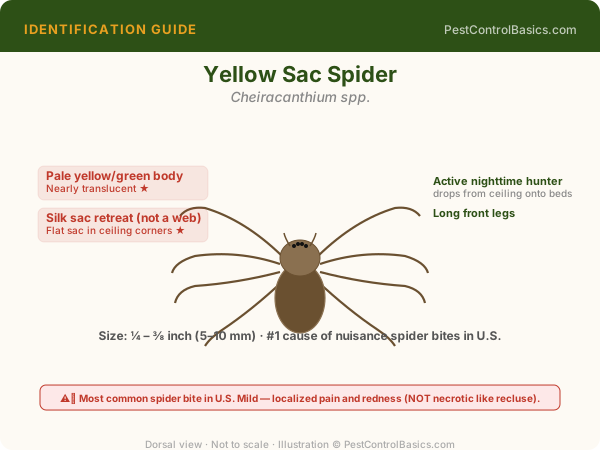
Yellow sac spiders are responsible for more US spider bites than any other species β not because they're aggressive, but because they hide in clothing and bedding and are rolled onto skin.
β±οΈ 1-2 hoursπͺ Easy
π FIELD GUIDE ILLUSTRATION
Original illustration by PestControlBasics.com. Use anatomical labels above to confirm your identification.
Yellow sac spiders build their flat silk retreats specifically at wall-ceiling junctions, behind picture frames, behind outlet covers, and in any corner where wall meets ceiling. Use a flashlight at an acute angle to find the distinctive flat silk sacs.
2
Vacuum all sacs and egg sacs
The silk sac contains the spider when resting. Vacuuming removes the sac, spider, and any eggs. Dispose of the vacuum bag immediately.
3
Apply residual bifenthrin to corners
Spray bifenthrin along baseboards, in ceiling-wall corners, and around window frames. Yellow sac spiders crossing treated surfaces contact lethal residue.
4
Place sticky traps in corners
Yellow sticky trap cards placed in corners at floor level capture spiders moving at night. Monitor weekly to assess population.
5
Shake out clothing left on floor
Yellow sac spiders frequently enter shoes, clothing, and bedding left on floors. This is the main bite scenario β always shake clothing before wearing if left on the floor.
π‘ Pro Tips
Yellow sac spiders are most active at night β inspecting at night with a flashlight identifies active individuals
The wall-ceiling corner is their characteristic harborage β start there
Reduce exterior lighting to reduce insects, which reduces the prey that attracts sac spiders
π° Cost to Fix This Problem
Approach
Typical Cost
Best For
DIY materials only
$20β$50
Mild or early-stage infestations
Professional service (one-time)
$100β$250
Active infestations or when DIY has already failed
Ongoing service contract
$400β$800/yr
Prevention and long-term peace of mind
Costs vary by region, property size, and severity. Get at least two quotes before hiring.
β How to Know It's Working
Pest control success is measured in weeks, not days. Here's what to look for:
Week 1β2: You may see increased activity as pests are flushed from hiding. This is normal.
Week 2β4: Activity should drop noticeably. Bait traps or sticky monitors should show declining counts.
Week 4β6: New activity near zero. Any resurgence means a population was missed or re-introduction occurred.
π‘ Monitoring tip: Place sticky traps in corners and along walls before you start treatment. Counting catches weekly gives you objective data on whether the population is declining.
π· When to Call a Professional
DIY is appropriate for small, contained infestations caught early. Call a licensed professional when:
You've tried DIY twice with no lasting improvement
The infestation involves a wall void, crawlspace, or area you can't safely access
There's a health risk involved (hantavirus, anaphylaxis risk, etc.)
The problem covers more than one room or a large outdoor area
You have children, elderly, or immunocompromised individuals in the household
β οΈ Rule of thumb: If you've spent more on DIY materials than a professional visit would cost, it's time to call.
β Frequently Asked Questions
Are yellow sac spider bites dangerous?
Bites cause localized pain, redness, and swelling resolving within 1-2 weeks. They may produce a small necrotic lesion but far less severe than brown recluse. Yellow sac spiders cause more indoor bites than any other species because they roam freely at night.
Why are yellow sac spiders in my house?
They are among the most common indoor spiders in North America. They build small silk retreats in upper wall-ceiling corners during the day and roam at night. Populations increase in fall when outdoor temperatures drive them indoors.
How do I reduce them indoors?
Remove silk sacs from wall-ceiling corners weekly with a vacuum. Apply residual bifenthrin spray along baseboards and in wall-ceiling junctions. Reduce prey insects with general interior pest management.
Can I tell a yellow sac spider from a brown recluse?
Yellow sac spiders are pale yellow-green with no markings. Brown recluse have a dark violin-shaped marking and only six eyes. Brown recluse range is limited to the south-central US. If you are outside that range, your spider is almost certainly not a recluse.