📐 FIELD GUIDE ILLUSTRATION
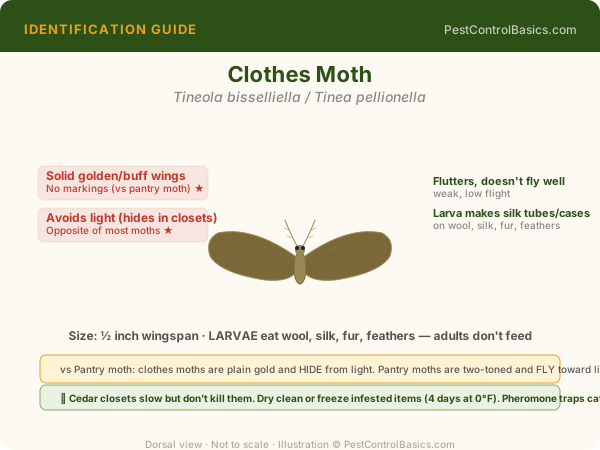
Original illustration by PestControlBasics.com. Use anatomical labels above to confirm your identification.
🔄 Stages
🥚Egg
→🐛Larva
→🫘Pupa
→🦋Adult
🥚
Egg
Both Lay Eggs on Natural Fibers
Clothes moth: tiny white eggs on or near fabric. Carpet beetle: tiny white eggs near food source (fabric, dried protein, pollen). Both hatch in 5-14 days depending on temperature.
🐛
Larva
THE KEY DIAGNOSTIC DIFFERENCE
Clothes moth larva: cream-colored caterpillar with brown head; produces silk webbing over fabric. Carpet beetle larva: brown, hairy (with tufts of bristles at rear); does NOT produce silk webbing. This single observation — silk webbing present or absent — identifies the pest.
🫘
Pupa
Different Locations
Clothes moth: pupates within silk case on or near fabric. Carpet beetle: pupates away from the fabric — in baseboards, carpet edges, behind furniture.
🦋
Adult
Completely Different Appearance
Clothes moth adult: small (15mm wingspan), buff/gold colored, avoids light. Carpet beetle adult: 2-4mm, oval, patterned — found on flowers and near windows (attracted to light — opposite behavior from clothes moth).
🔬 Key Facts
🔍Key diagnostic: Silk webbing present = clothes moth. No silk webbing = carpet beetle. This one observation identifies the pest without catching an adult or larva
🌸Carpet beetle entry: Adults enter on cut flowers, through windows, from attics and wall voids with bird/rodent nests — different entry than clothes moths
🎯Treatment difference: Clothes moth: pheromone traps attract males (confirm presence). Carpet beetle: pheromone traps DON'T work — identification requires finding adults or larvae
📅 Season
Clothes moth: year-round in undisturbed stored fabrics. Carpet beetle: spring entry from outdoors; eggs laid on fabric any time of year indoors.
⏰ Treatment
Both: find and remove all sources; freeze or dry-clean affected items; vacuum thoroughly; apply permethrin to storage surfaces. Clothes moth specific: pheromone traps for monitoring. Carpet beetle specific: UV blacklight for detecting larvae; inspect for outdoor entry points (attic vents, windows).
✅ Target the most vulnerable stage.