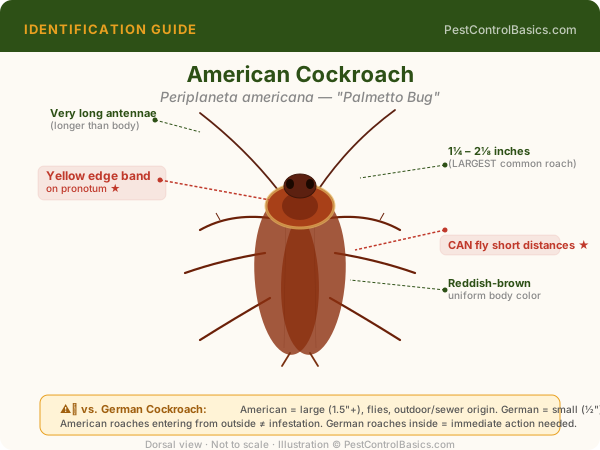
Original illustration by PestControlBasics.com. Use anatomical labels above to confirm your identification.
🔍 Identification
35-42mm — North America's largest common cockroach; reddish-brown with distinctive pale figure-8 pattern behind the head; both sexes winged (can fly, especially in warm humid weather); long antennae. Droppings: 2-4mm, blunt rounded ends, with ridges. Found in sewers, storm drains, landscaping, mulch, and occasionally structures.
🧬 Biology & Behavior
Primarily an outdoor insect — lives in sewers, drains, tree holes, and landscaping. Enters structures through drain pipes, gaps in foundation, and poorly sealed entry points. Does NOT reproduce rapidly indoors like German cockroach. A few American cockroaches in a kitchen is usually entry from outdoors, not an established indoor colony.
⚠️ Damage & Health Risk
Psychological disturbance when seen indoors; contamination of food surfaces they walk across; potential allergen exposure; disease transmission through contact with sewers and food (Salmonella, E. coli).
🔧 DIY Treatment
Exterior is primary treatment: bifenthrin perimeter spray around foundation base; granular bait around drains and perimeter; seal all plumbing penetrations through foundation. Interior: gel bait near drains and under appliances. Reduce exterior moisture (mulch against foundation, drainage issues).
👷 When to Call a Pro
For restaurants and commercial kitchens with American cockroach pressure, professional exterior baiting programs are recommended.