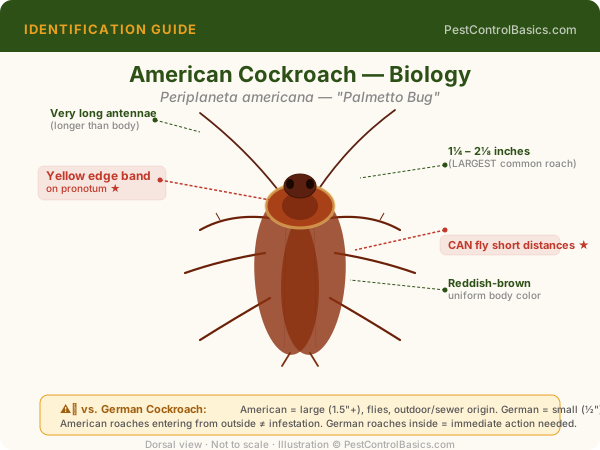
Original illustration by PestControlBasics.com. Use anatomical labels above to confirm your identification.
🔍 Identification
Adults: 35-40mm — the largest common cockroach in the US. Reddish-brown with a pale-yellow figure-8 pattern behind the head (the diagnostic marking). Can fly in warm weather. Nymphs: 13 instars over 6-12 months. Egg capsule (ootheca): carried briefly then deposited in protected locations outdoors. Found primarily in: sewers, storm drains, steam tunnels, mulch beds, tree holes, and outdoor debris — entering structures through drains and foundation gaps.
🧬 Biology & Behavior
American cockroaches do NOT establish breeding colonies inside clean structures the way German cockroaches do. They're opportunistic invaders seeking moisture and warmth, entering through drains (P-traps without water seals), utility penetrations, and door gaps. A single American cockroach found indoors is almost always an individual intruder, not a sign of indoor colony establishment. Multiple simultaneous indoor sightings often indicate a nearby outdoor population or sewer access problem.
⚠️ Damage & Health Risk
Psychological distress from large size; contamination of food or surfaces by individuals entering from sewers; occasional biting (rare — documented mostly in sleeping infants in heavily infested areas); minor allergen contribution.
🔧 DIY Treatment
Exterior perimeter spray monthly (bifenthrin) — intercepts before entry. Seal utility penetrations at foundation. Ensure P-traps in floor drains have water seals. Install door sweeps. Delta Dust in utility voids and around sewer access points.
👷 When to Call a Pro
For structures with confirmed sewer access (multi-unit buildings, restaurants): professional application of boric acid or gel bait in drain areas plus exclusion work.