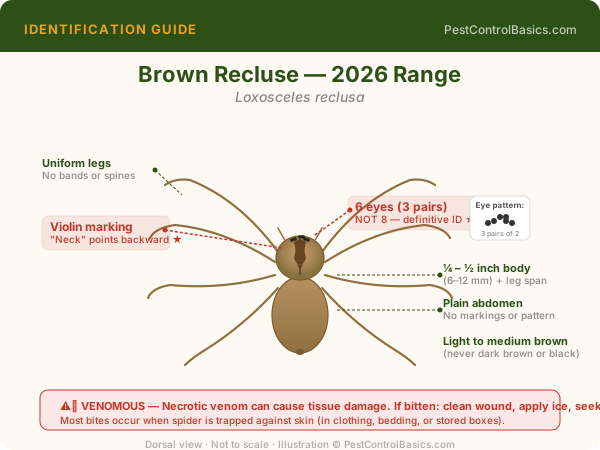
Original illustration by PestControlBasics.com. Use anatomical labels above to confirm your identification.
🔍 Identification
Core range (high density, well-documented): Missouri, Arkansas, Kansas, Oklahoma, Tennessee, Mississippi, Alabama, Kentucky. Moderate range: Iowa, Illinois, Indiana, Ohio, Georgia, Louisiana, Texas (east and central), Nebraska (southeastern). Peripheral/sporadic: North Carolina, South Carolina (southern), Virginia (southwestern). NOT established: California (occasional transport only), Pacific Northwest, New England, Florida, Great Plains north of Kansas, Rocky Mountain states. The NONE column is critical — the vast majority of suspected 'recluse bites' in California and the Northeast are something else entirely.
🧬 Biology & Behavior
Loxosceles reclusa is definitively associated with the central and south-central United States. A 2001 study in Missouri found an average of 13 recluse spiders inside homes without any bites occurring — the spiders avoid humans actively. Most documented bites occur when the spider is accidentally trapped against skin. Outside the verified range, alternative diagnoses for necrotic wounds include: MRSA infection (most common), other bacterial infections, vascular disorders, and other arthropod bites.
⚠️ Damage & Health Risk
Necrotic skin wounds requiring medical treatment (10-15% of bites); systemic effects in rare severe cases; significant psychological distress from misdiagnosis outside the range.
🔧 DIY Treatment
Inside range: sticky traps along baseboards in undisturbed rooms; professional void treatment with CimeXa and residual spray if confirmed. Outside range: rule out other causes for suspected bites before assuming recluse.
👷 When to Call a Pro
For homes with confirmed heavy infestations inside the range: professional void treatment is recommended.