πŸ› Pine Processionary Caterpillar (Watch Pest)

Thaumetopoea pityocampa Β· Lepidoptera: Notodontidae

Pine processionary caterpillar kills pine trees and causes severe allergic reactions from microscopic urticating hairs. Not yet established in the US but intercepted at ports β€” report any suspected sightings.

Invasive WatchCaterpillarEuropeUrticatingPineReport It
πŸ›
Risk Level
Potential Invasive
πŸ“ FIELD GUIDE ILLUSTRATION
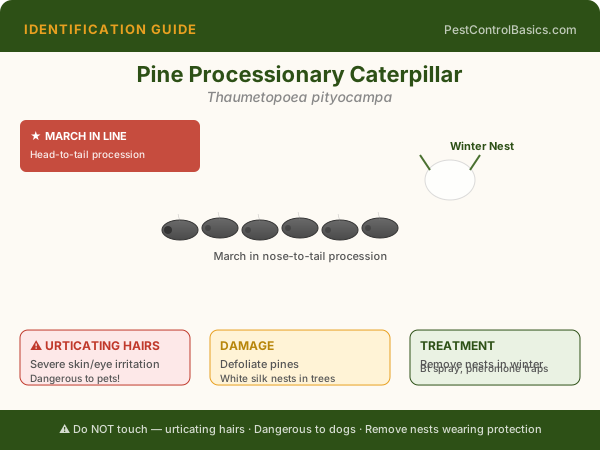
Pine Processionary Caterpillar identification illustration with labeled anatomical features β€” PestControlBasics.com

Original illustration by PestControlBasics.com. Use anatomical labels above to confirm your identification. For photo references, see the identification section below.

πŸ”¬
PestControlBasics Editorial Team
Reviewed by Derek Giordano Β· Updated 2026

πŸ” Identification

Caterpillars: 35-45mm; dark with orange-red side stripes; move in long single-file processions (the diagnostic behavior β€” like a living train). Nest: white silken tent high in pine trees, visible in winter. Urticating hairs: microscopic barbed hairs covering caterpillars cause severe dermatitis, eye damage (ophthalmia), throat swelling, and potentially fatal reactions in dogs. Do NOT touch or approach.

🧬 Biology & Behavior

Currently established in southern Europe, North Africa, and the Middle East β€” expanding northward with climate change. Risk to US: interception at ports on nursery stock and ornamental trees. Not established in the continental US as of 2026. If you see processions of caterpillars in a line or white silk tents in pine/cedar trees in the US: photograph from a distance and report to USDA APHIS and your state department of agriculture immediately.

⚠️ Damage & Health Risk

Pine defoliation and tree death; severe urticating hair reactions in humans and animals β€” dogs are particularly vulnerable (throat swelling can be fatal); significant public health and veterinary emergency risk in affected areas.

πŸ”§ DIY Treatment

In established areas (Europe): pheromone traps for male adults; tree barrier bands preventing processions from reaching soil for pupation; Bt kurstaki spray in early larval stage when hairs are less developed; biological control (parasitoid wasps). In the US: report suspected sightings β€” do not attempt DIY control of a potential new invasive.

πŸ‘· When to Call a Pro

USDA APHIS coordinates response to new invasive detections β€” contact them if suspected. Professional assessment required for any European nursery stock with silk tent structures.

❓ FAQ

Is pine processionary caterpillar in the US?
Not established as of 2026 in the continental US. It's a serious concern for introduction via nursery stock from Europe. If you see long single-file processions of caterpillars near pine trees or characteristic white silk tents high in pines, photograph from a distance and report to USDA APHIS (1-800-877-3835) and your state department of agriculture.
Why are dogs particularly at risk from processionary caterpillars?
Dogs investigate these caterpillars with their noses and mouths. The urticating hairs cause severe allergic reaction in the oral and throat mucosa β€” throat swelling can progress to asphyxiation within minutes in sensitive dogs. In Europe, processionary caterpillar season accounts for significant veterinary emergency calls. If your dog encounters these caterpillars: emergency veterinary care immediately.
🧪 Recommended Treatment Products
Bt kurstaki (Organic) Spinosad Natural Pest Control Imidacloprid (Systemic) Horticultural Oil
Full product guides with mixing rates and safety info. → Browse All 130 Pesticide Guides
🔗 Related Pests
Bagworm Pine Sawfly Pine Cone Moth Pine Bark Adelgid Hemlock Woolly Adelgid
Compare similar pests to confirm your identification. → Use our ID Flowchart
πŸ“š Sources: EPA Safe Pest Control Β· NPMA Pest Guide
Published: Jan 1, 2025 Β· Updated: Apr 7, 2026

πŸ—ΊοΈ US Distribution β€” Pine Processionary Caterpillar

image/svg+xml
Common Occasional Not Present
States Present
49
Occasional
2
Primary Region
All agricultural regions
πŸ“Š Source: University extension services, USDA, CDC vector data, and published entomological surveys.