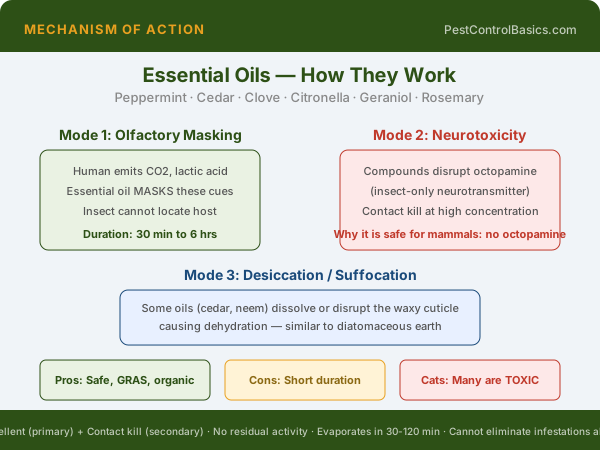
Geraniol is a naturally occurring terpene found in geraniums, roses, citronella, and lemongrass. EPA research shows it's one of the most effective plant-based mosquito and tick repellents — significantly outperforming citronella in head-to-head studies.
Mosquitoes (strong repellent — outperforms citronella by 2-5x in studies), ticks (proven repellent in multiple studies), flies (good repellent), gnats, ants (moderate). Several studies show geraniol approaching DEET effectiveness for mosquito repellency at 20%+ concentrations.
🏷️ Products & Brand Names
Proven Insect Repellent (geraniol-based, consumer reports top rated natural), Bug Band, Skin So Soft Bug Guard Plus (contains geraniol), Buggins Natural insect repellent, ThermaCell natural refills. Pure geraniol essential oil for DIY applications.
⚠️ Safety & Precautions
Excellent safety profile. FDA GRAS as a food flavoring. Widely used in cosmetics and perfumes. Minimal skin sensitization risk. Safe around children and most pets. Pleasant floral/rose scent that most people find agreeable — unlike DEET.
✅ Best natural repellent? Multiple independent studies rank geraniol as one of the top 2-3 plant-based repellents (alongside OLE/PMD and some neem formulations). If you want a natural repellent that actually works, geraniol deserves serious consideration.
Example
0.5 oz
per gallon
⚗️ Mixing Calculator
Enter your sprayer size and target rate — get the exact amount to pour. Backpack, hand sprayer, hose-end, or skid unit.
Why geraniol over citronella: Head-to-head tests consistently show geraniol provides 2-5 times longer protection than citronella against Aedes mosquitoes. A 2020 USDA study found 25% geraniol provided 4+ hours of mosquito protection — approaching low-concentration DEET.
For ticks: Geraniol shows genuine tick-repellent activity. A 2016 Journal of Medical Entomology study found geraniol reduced tick attachment by 90%+ in field conditions. One of the few natural ingredients with credible tick data.
Formulation matters: Pure geraniol evaporates quickly. Commercial products use encapsulation and slow-release formulations to extend duration. Pre-formulated products significantly outperform DIY geraniol sprays for this reason.
🐛 Pests This Treats — Learn More
Click any pest to view its full identification guide, biology, and treatment options.
💡 Natural compound. EPA 25(b) exempt. Short residual. Generally safe for pollinators.
⏱️ Residual & Re-entry Timeline
🔹
Apply
Follow label mixing and application rates
🔸
Re-entry: Immediate
Keep people and pets out of treated area
🟢
Effective period: 1–3 hours
Active residual — killing or repelling target pests
🔄
Reapply
Re-treat when pest activity returns or residual expires
❓ Frequently Asked Questions
Q: Is geraniol safe for pets?
Follow the product label. Keep pets out of treated areas until completely dried (2–4 hours for sprays). Once dry, treated surfaces pose minimal risk to dogs and cats.
Q: Can I use geraniol indoors?
Check the specific product label — formulations vary. Baits and dusts often have indoor labeling; concentrates and granulars are typically outdoor.
Q: How long does geraniol last after application?
Residual varies by formulation, surface type, weather, and UV exposure. Indoor applications last longer than outdoor. Check the product label for re-application intervals.
Q: What should I do if exposed?
Remove contaminated clothing, wash skin with soap and water. For eye contact, rinse 15–20 minutes. For ingestion or severe symptoms, call Poison Control (1-800-222-1222). Have the product label available.
📋 Safety Data Sheet (SDS)
📋
Geraniol for Pest Control — Safety Data Sheet
View the official SDS document for this product directly on the CDMS label database.
💡 Did you know? Geraniol is the primary scent compound that gives roses their characteristic fragrance. It's also a key component of citronella oil — and research suggests it may be the most active mosquito-repelling fraction of citronella, meaning it's actually the reason citronella 'works.'
🔮
Reviewed by Derek GiordanoContent reviewed by a licensed pest management professional. Last reviewed: April 2026.