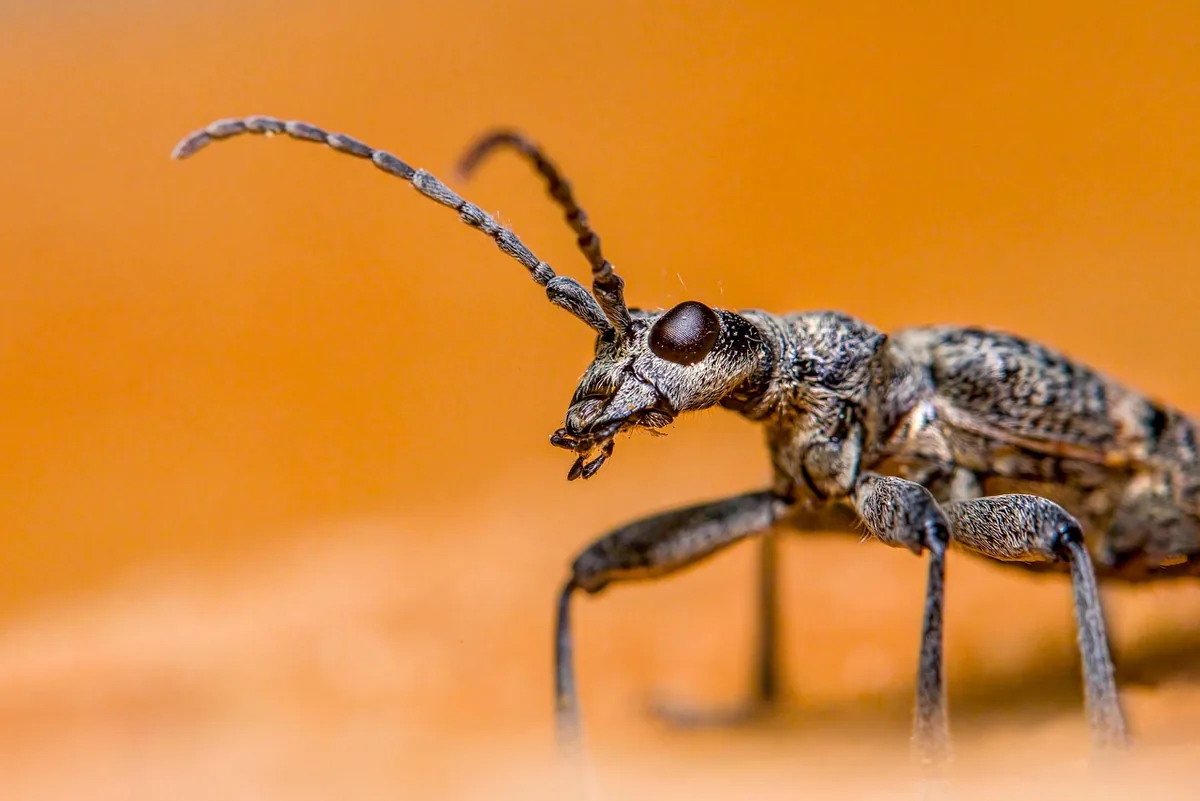
For every actual bed bug identification, pest control operators see several misidentified insects. According to entomologists at the Penn State Extension, carpet beetle larvae generate more "bed bug" calls than actual bed bugs in many regions. Getting the ID right before treatment prevents hundreds of dollars wasted on the wrong protocol — a bed bug heat treatment costs $1,500–$3,000, while a carpet beetle problem requires only vacuuming and $15 worth of sticky traps.
Misidentification causes two types of harm: unnecessary panic (thinking you have bed bugs when you do not) and missed treatment (treating for bed bugs when the actual pest is something else entirely, allowing the real problem to continue). The eight insects below are the most commonly confused with bed bugs, ranked by how frequently the confusion occurs.
| Look-Alike | Size | Shape | Bites? | Key Giveaway |
| Actual bed bug | 4–5mm | Flat oval | Yes | Fecal spots on mattress seams; blood smears on sheets |
| Carpet beetle larva | 2–5mm | Fuzzy/hairy | No (rash) | Holes in wool/silk fabrics; fuzzy body |
| Bat bug | 4–5mm | Flat oval | Yes | History of bats in attic; longer fringe hairs (need magnification) |
| Booklouse | ~1mm | Soft, translucent | No | Much smaller; translucent; indicates moisture problem |
| Spider beetle | 2–4mm | Round/globular | No | Round body (not flat); long legs; found near stored food |
| Cockroach nymph | 3–6mm | Elongated | No | Moves fast; long antennae; found in kitchens/bathrooms |
| Flea | 1–3mm | Narrow (side-compressed) | Yes | Jumps; found on pets and in carpet; bites ankles |
| Swallow bug | 3–5mm | Flat oval | Yes | Swallow nests on building exterior; appears in fall |
| Drugstore beetle | 2–4mm | Cylindrical | No | Hard shell; can fly; found near dried food/spices |
Why confused: Found in bedrooms, cause itchy welts (allergic reaction to larvae hairs, not bites), and shed skins found in bedding — three signs that closely mimic bed bug infestations.
Key difference: Carpet beetle larvae are fuzzy, hairy, caterpillar-like insects. Bed bugs are smooth, flat, and oval. Carpet beetle damage appears as holes in wool, silk, and natural fiber fabrics — bed bugs leave blood spots on sheets. Adult carpet beetles are small, round, mottled beetles found on windowsills where they try to get back outside.
What to do: Vacuum thoroughly, especially under beds and along baseboards. Launder bedding on high heat. Check for the actual food source — wool rugs, silk garments, feather pillows, or accumulated pet hair under furniture. No pesticide treatment is needed in most cases. See our carpet beetle guide.
Why confused: Nearly identical to bed bugs — same body shape, size, and color. Even professionals need magnification to distinguish them. According to the UC IPM Program, the distinguishing feature is the length of fringe hairs on the pronotum (the plate behind the head), which are longer in bat bugs.
Key difference: Bat bugs are associated with bat roosts. If you have or recently had bats in the attic, and find "bed bugs" in upper-floor bedrooms, they may be bat bugs that migrated down after the bat colony was excluded or departed seasonally.
What to do: Treatment differs from bed bugs. You must address the bat exclusion first — seal the pathways between the attic and living spaces with caulk and hardware cloth. Bat bugs cannot reproduce on human blood alone, so once the bat colony is excluded and entry routes sealed, the bat bug population dies off. Apply CimeXa dust in the attic space and wall voids to accelerate elimination.
Why confused: Tiny, pale, found in bed seams and headboards — especially in humid climates or poorly ventilated bedrooms.
Key difference: Booklice are translucent, soft-bodied, and much smaller than bed bugs (approximately 1mm versus 4–5mm). They feed on mold and starch — not blood. Their presence indicates a moisture problem, not a biting pest.
What to do: Reduce humidity below 50% with a dehumidifier or improved ventilation. Booklice cannot survive in dry environments. No pesticide is needed — fix the moisture, and the booklice disappear within weeks.
Why confused: Reddish-brown, round, found in bedrooms, and similar size to engorged (recently fed) bed bugs.
Key difference: Spider beetles are round and globular — bed bugs are flat and oval. Spider beetles have noticeably long legs and antennae. They feed on stored foods and organic debris, not blood. They are commonly found near pantries, stored pet food, or rodent bait that has been cached in wall voids.
What to do: Find and discard the infested food source. Clean pantry shelves. Store food in sealed containers. Spider beetle infestations resolve once the food source is eliminated.
Why confused: Small, flat, brown, found in crevices — especially in apartments where both pests are common.
Key difference: Cockroach nymphs are more elongated, have longer antennae, and move much faster than bed bugs. They are found predominantly in kitchens and bathrooms — rooms with water — rather than bedrooms. Cockroach nymphs do not leave the fecal spotting pattern (ink-like dots on mattress seams) that bed bugs produce.
What to do: If you find what you think are bed bugs but they are in the kitchen or bathroom, they are almost certainly cockroach nymphs. Treat with gel bait in cracks and crevices. See our cockroach elimination protocol.
Why confused: Small, brown, cause bite welts — especially on lower legs and ankles.
Key difference: Fleas are laterally compressed (narrow side-to-side) and jump — bed bugs are dorsoventrally compressed (flat top-to-bottom) and do not jump. Fleas are found on pets and in carpet pile. Their bite pattern concentrates on ankles and lower legs, while bed bug bites typically appear on exposed skin during sleep (arms, shoulders, neck, face).
What to do: Treat pets with veterinarian-recommended flea prevention (oral or topical). Vacuum all carpet and upholstery thoroughly. Wash pet bedding on high heat. Apply an IGR (insect growth regulator) to carpet to prevent flea larvae from maturing. The EPA recommends treating both the pet and the environment simultaneously for effective flea control.
Why confused: Close relatives of bed bugs with very similar appearance — slightly smaller and grayer, but difficult to distinguish without magnification.
Key difference: Associated with cliff swallow or barn swallow nests on the exterior of buildings. If swallows nest under your eaves, swallow bugs may enter through gaps when birds migrate in fall. They appear seasonally — typically September through November — corresponding to swallow departure.
What to do: Remove or block access to swallow nests after birds have departed (check local regulations — swallow nests with eggs or young are federally protected under the Migratory Bird Treaty Act). Seal gaps around eaves, soffits, and window frames. Apply CimeXa dust in attic spaces and wall voids near former nest sites.
Why confused: Small, reddish-brown, found in bedrooms — especially if food, medications, or spices are stored nearby.
Key difference: Drugstore beetles are hard-shelled, cylindrical, and can fly — bed bugs cannot fly and have a soft, flat body. Drugstore beetles feed on dried foods, spices, flour, dried herbs, pet food, and even medications and paper products. Finding them in a bedroom usually means an infested food source is stored somewhere in or near the room.
What to do: Inspect all stored food products, especially old spices, flour, dried pasta, pet treats, and medications. Discard infested items. Clean shelves and storage areas thoroughly. Store food in sealed glass or plastic containers. Pheromone traps can monitor for remaining activity.
If you suspect bed bugs, look for these three definitive signs before calling an exterminator:
1. Fecal spots. Small, dark, ink-like dots on mattress seams, sheets, pillowcases, and bed frame joints. These are digested blood and will smear if rubbed with a wet cotton swab — this is the most reliable field test.
2. Blood smears. Rusty red smears on sheets from bugs crushed during sleep. These appear as small streaks, not droplets.
3. Live bugs or shed skins. Check mattress piping seams, the underside of the mattress tag, bed frame joints and screw holes, behind the headboard, and inside nightstand drawers. Bed bugs are flat, oval, reddish-brown, approximately 4–5mm long (the size of an apple seed), and do not jump or fly.
| Pest | DIY Treatment Cost | Professional Cost |
| Actual bed bugs | $80–$200 (CimeXa + mattress encasement) | $500–$3,000+ (heat or chemical) |
| Carpet beetles | $0–$15 (vacuuming + sticky traps) | $100–$200 |
| Bat bugs | $15–$30 (CimeXa dust) | $200–$500 (includes bat exclusion) |
| Booklice | $0–$40 (dehumidifier) | Rarely needed |
| Fleas | $30–$60 (IGR + vacuuming) | $150–$300 |
| Cockroach nymphs | $25–$45 (gel bait + CimeXa) | $150–$300 |
Carpet beetle larvae — they are found in bedrooms, cause itchy welts from allergic reactions to their hairs, and shed skins in bedding. However, they are fuzzy and caterpillar-like, while bed bugs are smooth and flat. Carpet beetles damage fabrics; bed bugs leave blood spots.
Yes. They feed on completely different things — bed bugs on blood, carpet beetles on fibers and organic debris. Carpet beetles sometimes feed on bed bug shed skins, so a bed bug infestation can actually attract carpet beetles. Inspect for both during any bedroom pest investigation.
Look for three definitive signs: dark fecal spots on mattress seams and sheets, rusty blood smears on bedding, and live bugs or shed skins in mattress seams, bed frame joints, and headboard crevices. If the insect is present but none of these signs are, it is likely a look-alike.
Bat bugs can bite but prefer bat blood and cannot reproduce on human blood alone. They appear when a bat colony is removed from an attic. Treatment requires addressing the bat exclusion and sealing pathways between attic and living spaces.
No. Booklice feed on mold and starch, not blood. They indicate a moisture problem. Reducing humidity below 50% eliminates them without any pesticide.
Capture it with clear tape or in a sealed bag. Check for bed bug signs: fecal spots, blood smears, and additional bugs in mattress seams. If none are present, compare against the eight look-alikes above. Your county extension office will identify specimens for free, or use our AI Bug Identifier.
Pest control content on the internet has grown dramatically in volume but not in average quality, and the signals that distinguish reliable sources from unreliable ones are worth knowing. Reliable content typically cites specific products by active ingredient rather than only by brand, references regional variation in pest pressure and treatment efficacy, acknowledges treatment failures and the conditions under which they occur, and avoids absolute claims about results. Unreliable content tends to make universal claims, recommend specific brand products without identifying alternatives, omit the conditions under which advice applies or fails, and write in a tone optimized for affiliate conversion rather than reader understanding. The other useful signal is whether the source discusses cost-benefit and threshold thinking — at what point does treatment become worth doing — versus only providing how-to instructions with the assumption that treatment is the right answer. Sources that engage with the decision dimension are usually more reliable than sources that skip past it. None of these signals are perfect, but applied consistently they filter out a meaningful portion of the lower-quality content that dominates search results for many pest topics.
Pet-safe is a marketing phrase that does specific work, and the work it does is narrower than most pet owners assume. A product labeled pet-safe is generally one that, when used according to label directions and after the specified re-entry interval, presents a low risk of acute toxicity to pets at expected exposure levels. That is not the same thing as zero risk, and it doesn't say anything about chronic exposure, behavioral effects, or exposure to pets with unusual physiology, age, or pre-existing conditions. The other thing it doesn't account for is real-world misuse: pets that lick treated surfaces immediately after application, products applied in higher concentrations than directed, or applications in locations the label didn't anticipate. The practical interpretation is that pet-safe products are a reasonable choice when used carefully, but the safer overall practice with any pet in the home is to keep animals out of treatment areas until products are fully dry or absorbed, choose lower-toxicity formulations like bait stations over surface sprays when feasible, and ask explicitly about ingredients and re-entry intervals rather than relying on the label phrase alone.
The residual life of a pesticide is one of the most misunderstood properties in household pest management. Active ingredients vary widely in how long they remain bioavailable on a treated surface, and the same active can behave very differently depending on substrate, exposure to sunlight and rain, temperature, and the formulation it's carried in. A pyrethroid applied to a porous masonry surface in full sun will degrade in days; the same active in a microencapsulated formulation on a protected interior surface may remain effective for months. Understanding this is the difference between an evidence-based treatment schedule and one driven by superstition. Reapplying too soon wastes product and increases selection pressure for resistant individuals; reapplying too late creates gaps in coverage during which pest populations rebound. The right answer depends on specific conditions and is not the same number printed on the bottle in all circumstances. Field experience and willingness to monitor for early signs of pest return are what calibrate the schedule. The label is a guide, but conditions in front of you are the real input.