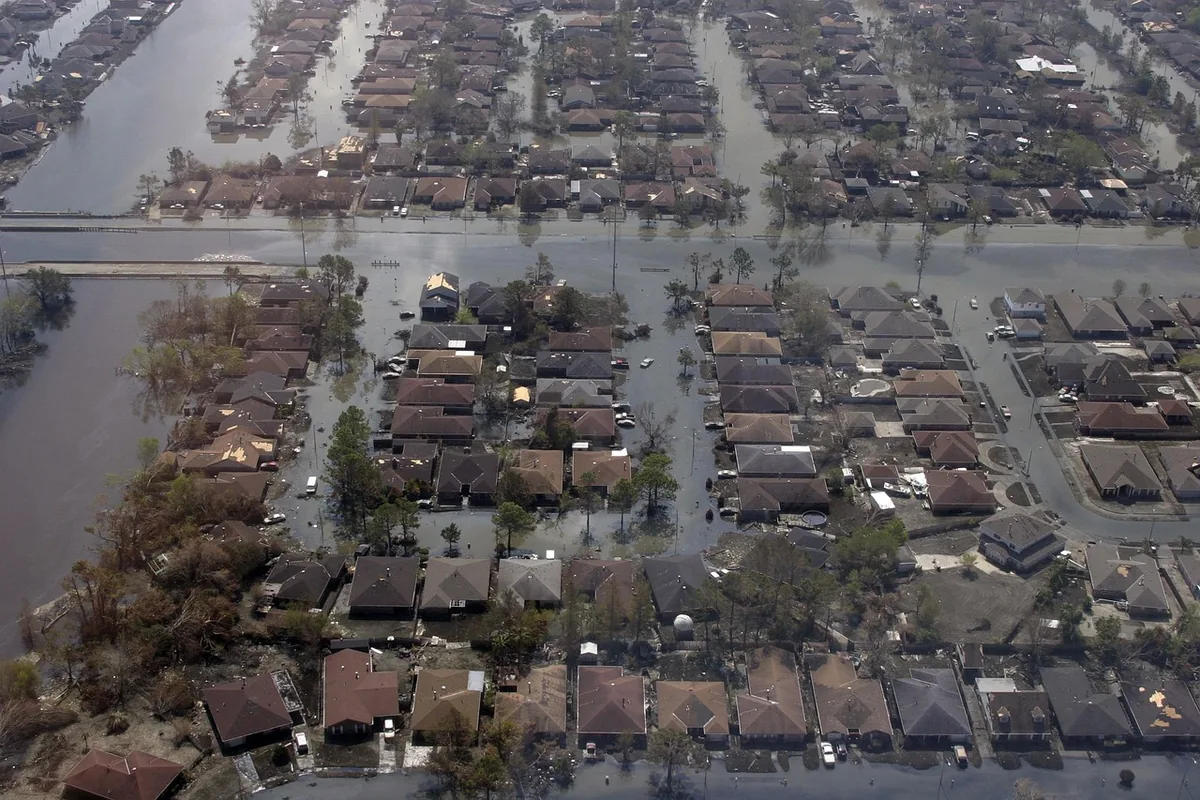
After a flood, pest problems surge for two reasons: pests displaced from flooded ground seek higher ground — your home — and the standing water left behind creates massive mosquito breeding habitat. Fire ants form floating rafts that carry entire colonies. Rats and mice flee into structures. Snakes follow displaced rodents. Cockroaches emerge from flooded sewer systems in numbers that shock even experienced pest control operators.
Having worked in Florida during multiple hurricane seasons, I've seen this pattern repeat identically every time. The pest response should begin as soon as floodwaters recede — not after you've finished the structural cleanup. Pest management and structural recovery happen in parallel, and delaying pest control allows populations to establish in your home while your attention is elsewhere.
Floodwater also displaces pesticide containers, agricultural chemicals, and household hazardous materials. If you encounter unknown chemical containers in debris, do not open them — contact your local hazardous materials authority. The EPA's flood cleanup page provides region-specific guidance for chemical contamination.
Standing water from flooding creates explosive mosquito breeding within 7–10 days. Begin eliminating standing water immediately — drain, pump, or treat with Bti mosquito dunks any water that cannot be drained. Post-flood mosquito populations can be 10–20x normal levels, and the species that breed in floodwater include those that transmit West Nile virus, Zika, and Eastern equine encephalitis. Use EPA-registered repellents containing DEET, picaridin, or oil of lemon eucalyptus for personal protection during cleanup.
Floating fire ant rafts land on any dry surface — including people wading through floodwater. The sting response from a raft of fire ants can deliver hundreds of stings in seconds and is a genuine medical emergency. The CDC advises never touching floating brown masses in floodwater. On dry ground, displaced colonies reform mounds quickly — treat with contact-kill granular bait within 24 hours of identifying new mounds.
Both venomous and non-venomous snakes are displaced by flooding into yards, garages, sheds, and homes. Watch where you step and reach, especially in debris piles, under plywood, and in dark corners of garages. Most displaced snakes will leave on their own as conditions dry out — do not attempt to handle or kill them unless you can positively identify the species. In the Southeast, watch specifically for cottonmouths (water moccasins) and copperheads, which are commonly displaced by flooding.
Displaced Norway rats and roof rats enter structures in unusually large numbers seeking dry harborage. Set snap traps immediately in garages, basements, and any structure accessible from ground level. Place traps along walls with the trigger plate facing the wall. In a post-flood scenario, baiting is less effective than trapping because rodents have abundant alternative food sources in debris. Check traps daily.
As floodwaters recede, saturated building materials create ideal conditions for moisture-loving pests. This is the phase where pest problems shift from displaced outdoor animals to infestations driven by the damp environment inside your home.
Cockroaches emerge from flooded sewer systems and storm drains in massive numbers. They are attracted to the moisture, warmth, and darkness of water-damaged structures. Deploy gel bait in crack-and-crevice placements throughout the kitchen and bathrooms as soon as the space is safe to work in.
Silverfish, springtails, and centipedes thrive in the persistent dampness of flood-damaged walls, subfloors, and insulation. These populations will naturally decline as the structure dries, but aggressive drying is essential — industrial dehumidifiers, fans, and removing water-damaged drywall and insulation accelerate this process significantly.
Mold mites appear on water-damaged surfaces as mold colonies grow. Tiny and nearly invisible, they can cause allergic reactions and respiratory irritation. The solution is mold remediation — once the mold is removed, the mites disappear.
The priority during this phase is drying the structure as fast as possible. Every day of persistent moisture extends the pest problem and increases the risk of mold and termite damage. Run dehumidifiers continuously. Open walls to expose wet framing. Remove saturated insulation. The faster you dry, the faster pest pressure drops.
Termite risk: Flood-damaged wood with persistent moisture is extremely attractive to subterranean termites. If structural wood stayed wet for more than 48 hours — which is virtually guaranteed in any significant flood — schedule a professional termite inspection once the structure is dried and stabilized, typically 4–8 weeks after flooding. Do not wait for visible signs of termite activity. By the time you see mud tubes or damaged wood, significant structural damage may already have occurred.
Continued rodent management: Maintain snap traps in garages, basements, and crawl spaces throughout the recovery period. Displaced rodent populations take weeks to establish new territories, and during this transition period, they are more likely to enter structures. Seal any new entry points created by flood damage as soon as structural repairs allow.
Mosquito vigilance: Any standing water that remains — in tarps, debris, clogged gutters, equipment, or low spots in the yard — continues producing mosquitoes. Walk the property weekly and eliminate or treat every water source. A single discarded tire holding rainwater can produce thousands of mosquitoes.
| Timeframe | Primary Threats | Priority Actions |
| Day 1–3 | Fire ants, snakes, rodents | Set snap traps, avoid debris piles, wear protective gear |
| Day 3–10 | Mosquitoes emerging | Eliminate standing water, deploy Bti dunks, use repellent |
| Week 2–4 | Cockroaches, silverfish, springtails, mold mites | Deploy gel baits, begin aggressive structural drying |
| Month 1–2 | Termite risk escalating | Schedule termite inspection, continue drying |
| Month 2–3 | Ongoing elevated pressure | Maintain trapping, seal entry points, final inspections |
Post-flood pest control often exceeds what DIY methods can handle. Call a professional immediately if you encounter:
Venomous snakes inside the structure — do not attempt removal yourself. A wildlife removal service or pest control company with snake handling experience should respond.
Large rodent populations — if you are catching more than 2–3 rodents per day on traps, you likely have a significant displaced population that needs professional-grade trapping and exclusion.
Severe cockroach emergence — post-flood sewer cockroach invasions can involve hundreds of insects. Professional treatment with commercial-grade gel baits and growth regulators resolves this faster than DIY products.
Termite inspection — always professional. Post-flood termite risk is too high and the stakes (structural integrity) too significant for DIY assessment.
| Service | Estimated Cost |
| DIY Bti mosquito dunks (6-pack) | $8–$15 |
| DIY snap traps (12-pack) | $12–$20 |
| DIY cockroach gel bait kit | $15–$30 |
| Professional rodent service (emergency) | $200–$500 |
| Professional cockroach treatment | $150–$300 |
| Professional termite inspection | $75–$150 (often free if treatment is needed) |
| Snake removal service | $100–$300 per visit |
| Industrial dehumidifier rental (per day) | $40–$80 |
Insurance note: Standard homeowner's insurance typically does not cover flood damage or flood-related pest control. Flood damage requires separate coverage through FEMA's National Flood Insurance Program (NFIP) or private flood insurance. FEMA disaster assistance may help with emergency pest control costs in declared disaster areas. Document all damage and costs with photos and receipts.
Immediately: mosquitoes breed in standing water, rodents flee into structures, fire ants form floating rafts, and snakes follow displaced rodents. Within 2–4 weeks: cockroaches emerge from sewer systems, moisture-loving insects colonize damp materials, and mold mites appear. Within 1–3 months: subterranean termites target flood-damaged wood.
Eliminate all standing water. For water that cannot be drained, apply Bti mosquito dunks — they kill larvae without affecting other organisms and cost $8–$15 for a 6-pack. Post-flood mosquito populations can reach 10–20x normal levels. Use EPA-registered repellents with DEET, picaridin, or oil of lemon eucalyptus for personal protection.
Yes. Fire ant rafts contain tens of thousands of ants and swarm aggressively on contact with any surface. Multiple stings can cause anaphylaxis. The CDC advises never touching floating brown masses in floodwater and wearing rubber boots and gloves during all flood cleanup.
Yes. Subterranean termites are attracted to persistently wet wood. If structural framing stayed wet for more than 48 hours, schedule a professional termite inspection once the structure is dried (typically 4–8 weeks post-flood). Do not wait for visible signs — damage may already be significant by the time it's visible.
Mosquitoes peak 7–14 days after flooding. Rodent displacement lasts 2–4 weeks. Moisture-driven infestations persist until the structure is dried. Termite risk remains elevated for months. Expect elevated pest pressure for 2–3 months overall.
Standard policies typically do not cover flood damage. Flood insurance is separate (NFIP or private). FEMA disaster assistance may help in declared disaster areas. Document all pest damage with photos and receipts for potential deductibility as casualty losses.
Lifestyle and home-improvement publications routinely cover pest control topics, but the quality of advice varies dramatically and the most popular tips often perform worse than less-publicized alternatives. Specific examples of commonly-published advice that doesn't hold up: cinnamon, peppermint oil, and other natural deterrents for ants (work briefly in laboratory conditions but don't produce meaningful field control); bleach in drains for fly elimination (doesn't address the biofilm where flies actually breed); ultrasonic pest repellers (extensive peer-reviewed testing shows minimal to no efficacy); diatomaceous earth applied broadly to carpets and floors (works in dry voids but loses efficacy when wet or vacuumed, and creates inhalation concerns when applied broadly); and dryer sheets stuffed in vents as rodent deterrents (no peer-reviewed evidence of efficacy). The pattern: most universal-home-tip pest advice prioritizes appeal and shareability over efficacy. Better sources for residential pest decisions include cooperative extension publications, peer-reviewed entomology literature (often accessible through extension publications that summarize it), and pest management association educational materials, which represent professional consensus on actual evidence.
Pesticide product labels are legal documents with specific use directions, but the parts that matter most for residential decisions aren't always the parts that get attention. The active ingredient and its concentration are essential — they determine what category of pest the product targets and how it compares to alternatives. The 'Directions for Use' section is binding (using a product against label instructions is technically a federal violation and may void product liability), but most homeowners skim it. The 'Precautionary Statements' section tells you exposure risks and required PPE. The 'First Aid' section matters in an emergency. What matters less in practice: marketing copy on the front of the package, brand-specific claims about superiority (federal regulations sharply limit what these can say), and 'natural' or 'organic' labeling (which can be technically accurate while still describing a product with meaningful exposure considerations — pyrethrin from chrysanthemums is 'natural' but still a neurotoxin in concentration). Reading labels critically — focusing on active ingredient, concentration, target pest list, application method, and precautions — gives a clearer picture than retail-shelf comparison ever does.
Most homeowners treat pest issues episodically and lose information between events. Building a simple ongoing pest file — even a single document in a notes app or folder of photos — produces compounding benefits across years of property ownership. The contents that matter: date and location of every notable sighting, identification (with photos where possible), treatment applied and product names used, professional service records and warranty terms, structural sealing work performed and where, drainage and moisture correction work performed, and observations across seasons. Over two or three years, patterns emerge that aren't visible in single incidents: which months reliably bring ant activity, which exterior corner gets wasps every spring, which entry points keep failing, which products actually worked versus which were tried and abandoned. This file becomes useful at property sale (documenting professional treatment and remediation), at insurance claim time (documenting pre-existing conditions or treatment history), and at any future pest problem (where past records narrow the diagnostic space immediately). The effort to maintain is minimal — a few minutes per incident — and the cumulative information value substantial.
Pest control content on the internet has grown dramatically in volume but not in average quality, and the signals that distinguish reliable sources from unreliable ones are worth knowing. Reliable content typically cites specific products by active ingredient rather than only by brand, references regional variation in pest pressure and treatment efficacy, acknowledges treatment failures and the conditions under which they occur, and avoids absolute claims about results. Unreliable content tends to make universal claims, recommend specific brand products without identifying alternatives, omit the conditions under which advice applies or fails, and write in a tone optimized for affiliate conversion rather than reader understanding. The other useful signal is whether the source discusses cost-benefit and threshold thinking — at what point does treatment become worth doing — versus only providing how-to instructions with the assumption that treatment is the right answer. Sources that engage with the decision dimension are usually more reliable than sources that skip past it. None of these signals are perfect, but applied consistently they filter out a meaningful portion of the lower-quality content that dominates search results for many pest topics.
Renovation work is one of the highest-value moments for pest intervention, and it's also one of the most consistently missed. When walls are open, when slabs are exposed, when crawlspaces are accessible, when sill plates are visible — these are the windows during which exclusion work, soil treatment, perimeter sealing, and harborage elimination can be done at a fraction of their normal cost and with dramatically better completeness. The same caulk-and-foam exclusion job that takes hours of awkward work after the fact can be done in minutes when the wall cavity is open. A pre-construction termite soil treatment is dramatically more effective than any post-construction equivalent, but it has to happen before the slab is poured. Even non-structural renovations like flooring replacement, kitchen rework, or basement finishing create windows during which the home's pest-relevant geometry can be improved. The cost of pulling in a pest professional during the renovation envelope, even just for an inspection and recommendations, is almost always recovered in reduced future treatment costs and avoided structural damage. The conversation to have with general contractors is whether they're willing to coordinate with a pest specialist during the open-wall phase, and most reputable contractors are, particularly on larger jobs where the small additional scheduling complexity is offset by the value-add for the homeowner.
Pest control warranties are not standardized, and the differences between contracts that look superficially similar can be enormous. Termite warranties in particular vary across at least three significant dimensions: whether they cover retreatment only or also include damage repair, whether the damage coverage is capped or unlimited, and whether the warranty is transferable to subsequent owners. A retreatment-only warranty on a property with significant termite pressure is much weaker than a damage-inclusive warranty, and the difference matters most precisely in the situations where the warranty is most likely to be needed. General pest control service agreements often have similar gradations — some include unlimited callbacks during the service period, some include a fixed number, and some charge for any visit outside the regular schedule. Before signing, the question to ask is not whether the contract has a warranty, but exactly what the warranty covers, what triggers a callback at no charge, and what the renewal terms are. Companies rarely volunteer this clearly; reading the document carefully and asking specific questions is on the homeowner.