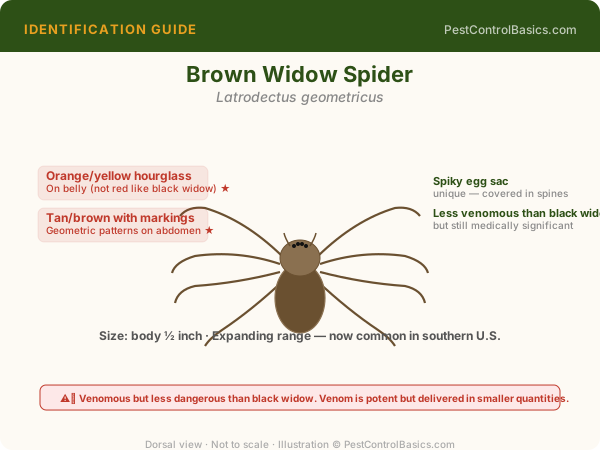
Original illustration by PestControlBasics.com. Use anatomical labels above to confirm your identification.
🔍 Identification
Female: 7-10mm body; brown (variable — tan to almost black); orange-yellow hourglass on abdomen underside (hourglass is less distinctive than black widow's red). Egg sac: spiky, white, with characteristic pointed projections — completely distinctive and unlike the smooth egg sacs of black widows. Males: smaller, patterned. Found in similar locations to black widows but adapts more readily to urban environments — under patio furniture, in plant pots, in mailboxes.
🧬 Biology & Behavior
Introduced from Africa (exact origin uncertain), now established in Florida, California, Texas, Louisiana, Georgia, and spreading northward. Actively displaces black widows from urban areas — studies show brown widow presence correlates with reduced black widow density. Less venomous than black widow — venom is approximately half as potent. Bites are medically significant but rarely require antivenin in healthy adults.
⚠️ Damage & Health Risk
Venomous bite causing localized pain and possible systemic symptoms (less severe than black widow); psychological concern; egg sacs in commonly-used outdoor furniture create unexpected encounter risk.
🔧 DIY Treatment
Monthly bifenthrin perimeter spray reduces populations. Remove egg sacs (gloved hands, dispose in sealed bag) — the distinctive spiky sacs make targeted removal straightforward. Check under outdoor furniture and plant pots regularly. Remove debris and harborage near outdoor living areas.
👷 When to Call a Pro
Rarely warranted — perimeter spray is adequate management.