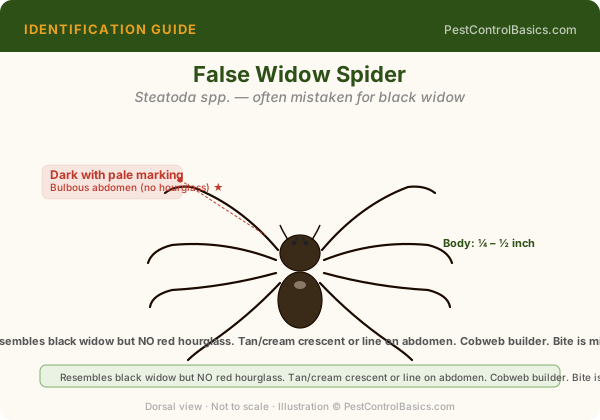
Original illustration by PestControlBasics.com. Use anatomical labels above to confirm your identification.
🔍 Identification
6-10mm body; dark brown to purplish-black; globose (round) abdomen like black widows. Key difference: no red hourglass marking on the underside. Some species have white spots or cream markings on the abdomen. Irregular messy cobwebs in sheltered areas — exactly like black widows.
Range: widespread across North America, especially common in Pacific Coast states and British Columbia.
🧬 Biology & Behavior
Same web-building behavior and sheltered harborage as black widows — under furniture, in garages, in crawl spaces. False widows are actually common associates of black widows, sometimes found in adjacent webs. They're more cold-tolerant than most widow species and thrive indoors year-round.
⚠️ Damage & Health Risk
False widow bites cause 'steatodism' — symptoms including pain, muscle cramping, sweating, and occasionally nausea, but significantly milder than true latrodectism. Bite symptoms typically resolve within 1-3 days. Medical attention is warranted for symptomatic bites.
🔧 DIY Treatment
Same control as black widow: reduce clutter, apply residual bifenthrin to harborage areas, place glue boards in corners and under furniture, seal exterior gaps.
👷 When to Call a Pro
For widespread infestations in structures, professional treatment provides better coverage than DIY in hard-to-reach harborage areas.