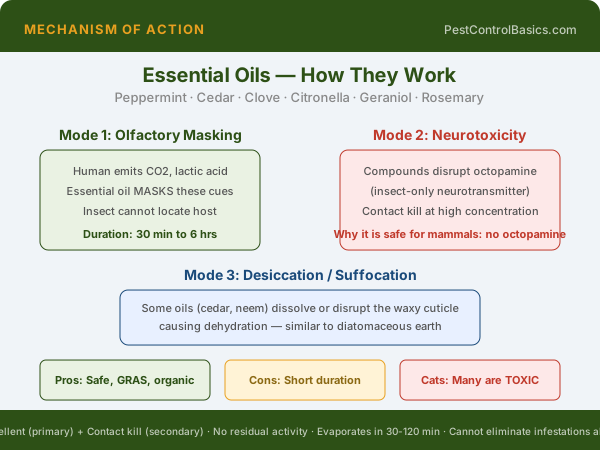
Eugenol — the primary active compound in clove oil — is one of the most potent natural insecticides. It kills on contact by disrupting the insect nervous system (octopamine and GABA pathways). Used in both household pest sprays and agricultural fumigation. Stronger than most essential oils.
🧪
Classification
Plant Essential Oil (Syzygium aromaticum)
Signal Word
Exempt (25b)
Mode of Action
Neurotoxic: disrupts octopamine + GABA receptors; also contact desiccant and fumigant
How essential oil works — illustrated mechanism of action
Ants (contact kill + trail disruption — one of the best essential oils for ants), cockroaches (contact kill, repellent), mosquitoes (moderate repellent), flies (contact kill + repellent), wasps (contact kill in direct spray), fleas (contact kill at high concentration), mites, aphids. Dual use as fungicide against some plant pathogens.
🏷️ Products & Brand Names
EcoSmart Ant & Roach Killer (eugenol-based), Zevo ant spray, Aunt Fannies ant spray, Wondercide indoor spray (contains eugenol), Bioadvanced Natria insecticidal soap + eugenol, pure clove essential oil (dilute to 1-2%). Eugenol is also the active in many green commercial pest control services.
⚠️ Safety & Precautions
Eugenol is FDA GRAS as a food additive (it gives cloves their flavor). However, concentrated clove oil can cause significant skin irritation and chemical burns. Always dilute — never apply pure clove oil to skin or spray on pets.
⚠️ Skin burns: Undiluted eugenol causes chemical burns. Always dilute to 1-2% maximum for spray applications. Wear gloves when handling concentrated clove oil. Significant eye irritant.
⚠️ Pets: Eugenol can be toxic to cats and dogs if ingested in concentrated form. Use pre-formulated products rather than DIY concentrations around pets. Keep pets away from treated areas until dry.
Example
0.5 oz
per gallon
⚗️ Mixing Calculator
Enter your sprayer size and target rate — get the exact amount to pour. Backpack, hand sprayer, hose-end, or skid unit.
For ants: Eugenol is arguably the best essential oil for ant control. Spray directly on ant trails — it kills on contact AND erases the pheromone trail. Reapply daily at entry points. Commercial eugenol sprays (EcoSmart, Zevo) are pre-diluted and ready to use.
DIY spray recipe: 20 drops clove essential oil + 10 drops peppermint oil + 1 tsp dish soap + 1 cup water in a spray bottle. Shake well before each use. Effective as a contact killer for ants, roaches, and flies — but only kills what you spray directly.
Key limitation: Like all essential oils, eugenol has no residual activity. It kills on contact but leaves no lasting barrier. Once it evaporates (1-2 hours), its effect is gone. This means it cannot replace baits or residual treatments for infestations.
🐛 Pests This Treats — Learn More
Click any pest to view its full identification guide, biology, and treatment options.
💡 Contains eugenol. Contact killer but breaks down within hours. No environmental persistence.
⏱️ Residual & Re-entry Timeline
🔹
Apply
Follow label mixing and application rates
🔸
Re-entry: Immediate
Keep people and pets out of treated area
🟢
Effective period: Hours
Active residual — killing or repelling target pests
🔄
Reapply
Re-treat when pest activity returns or residual expires
❓ Frequently Asked Questions
Q: Is clove oil safe for pets?
Follow the product label. Keep pets out of treated areas until completely dried (2–4 hours for sprays). Once dry, treated surfaces pose minimal risk to dogs and cats.
Q: Can I use clove oil indoors?
Check the specific product label — formulations vary. Baits and dusts often have indoor labeling; concentrates and granulars are typically outdoor.
Q: How long does clove oil last after application?
Residual varies by formulation, surface type, weather, and UV exposure. Indoor applications last longer than outdoor. Check the product label for re-application intervals.
Q: What should I do if exposed?
Remove contaminated clothing, wash skin with soap and water. For eye contact, rinse 15–20 minutes. For ingestion or severe symptoms, call Poison Control (1-800-222-1222). Have the product label available.
📋 Safety Data Sheet (SDS)
📋
Clove Oil / Eugenol for Pest Control — Safety Data Sheet
View the official SDS document for this product directly on the CDMS label database.
💡 Did you know? Eugenol has been used in dentistry for over 150 years as a natural analgesic — it's the compound that gives clove oil its numbing effect on toothaches. The same compound that soothes human nerves destroys insect nervous systems.
🔮
Reviewed by Derek GiordanoContent reviewed by a licensed pest management professional. Last reviewed: April 2026.