🧪 Active Ingredient Profile
Neonicotinoids Overview — Clothianidin, Thiamethoxam & Acetamiprid
Neonicotinoid (Chloronicotinyl Nitroguanidine) · CAS 210880-92-5
Clothianidin, thiamethoxam, and acetamiprid are neonicotinoids used in systemic plant treatments, bed bug control, and stored product pest management. Acetamiprid is notable for its much lower bee toxicity compared to other neonicotinoids.
Mode of Action
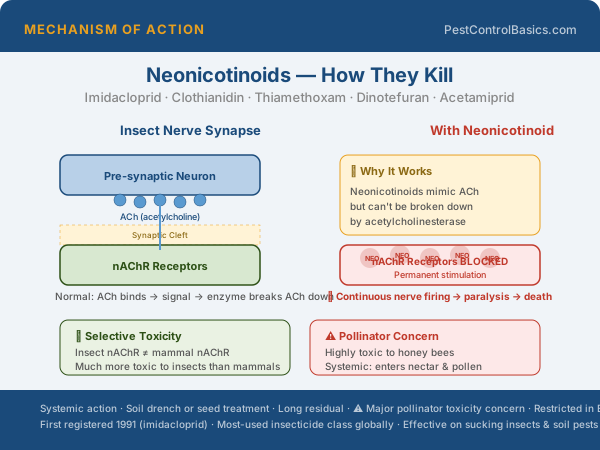
Bind to nicotinic acetylcholine receptors in insect nervous systems — same site as imidacloprid; cause continuous nerve stimulation and paralysis
📋 Key Facts
Key Compounds
Clothianidin, thiamethoxam, acetamiprid, dinotefuran
Systemic Activity
Yes — absorbed by plants and transported through tissue
Bee Risk
Clothianidin/thiamethoxam: very high | Acetamiprid: much lower
Key Crossfire Use
Acetamiprid in Crossfire bed bug spray — overcomes pyrethroid resistance
Soil Persistence
Very long — leaching concern in agricultural settings
Regulatory Status
Clothianidin/thiamethoxam restricted in EU; under review in US
🎯 Primary Uses
This group is used for: systemic tree and shrub protection (thiamethoxam in Meridian, clothianidin), seed treatments in agriculture (clothianidin — major use category), bed bug control (acetamiprid in Crossfire — key product for resistant populations), and stored product pest management. Acetamiprid is the most important structural pest control neonicotinoid due to its lower bee risk.
🛡️ Safety Summary
Variable safety profile by compound. Clothianidin and thiamethoxam have very high bee toxicity — major regulatory concern. Acetamiprid has significantly lower bee toxicity (3,000x less toxic to bees than imidacloprid) and is considered much safer around pollinators. All neonicotinoids have low acute mammalian toxicity.
🔬 Resistance Status
Resistance in whiteflies and aphids after agricultural use. In structural pest control, acetamiprid in Crossfire effectively overcomes pyrethroid resistance in bed bugs — this is why Crossfire is a key product in resistant bed bug programs. Rotate with chlorfenapyr (different mode of action) for durability.
🏷️ Common Products
Crossfire Bed Bug Concentrate (acetamiprid)Meridian (thiamethoxam)Assail (acetamiprid, ag)Arena (clothianidin, turf)
🦺 Personal Protective Equipment (PPE)
Required PPE varies by formulation and application method. Always read the product
label — the label is the law and overrides general guidance.
- Gloves when handling concentrate
- Avoid application to flowering plants during bloom (bee toxicity)
- Do not apply near water — high aquatic toxicity
- Wash hands thoroughly after handling
⚠️ Label compliance: The product label is a legal document under FIFRA.
Applying any pesticide in a manner inconsistent with its label is a federal violation.
📋 Application Best Practices
- Read the full label before each use — formulations change and label requirements may differ from previous products you've used.
- Apply at the right rate — more is not more effective. Over-application wastes product, creates unnecessary exposure, and is illegal.
- Target harborage and entry points, not just visible pest activity. Treating where pests hide is more effective than treating where you see them.
- Record the application — note the product, rate, area treated, and date. Required for commercial applications; best practice for homeowners.
- Ventilate the treatment area after application and before re-entry.
💡 Storage: Store in original container, away from children, in a cool dry location. Never transfer to food or beverage containers. Check local regulations for disposal — most areas have household hazardous waste collection events.
Example
0.5 oz
per gallon
⚗️ Mixing Calculator
Enter your sprayer size and target rate — get the exact amount to pour. Backpack, hand sprayer, hose-end, or skid unit.
Open Calculator →
🌿 Environmental & Resistance Considerations
Responsible pesticide use protects both effectiveness and the environment:
- Resistance management: Rotating to pesticides with different modes of action prevents resistance development. Avoid using the same active ingredient exclusively.
- Pollinator protection: Apply in early morning or evening when bees are less active. Avoid applications to flowering plants.
- Water protection: Do not apply before rain. Keep applications away from drains, waterways, and storm inlets.
- Non-target species: Broad-spectrum insecticides affect beneficial insects. Consider targeted baits or dusts in sensitive areas.
Published: Jan 1, 2025 · Updated: Apr 7, 2026
🔮
Reviewed by Derek GiordanoContent reviewed by a licensed pest management professional and cross-referenced against EPA, university extension, and manufacturer technical data. Last reviewed: April 2026.