Homeโ€บ Buying Guidesโ€บ Best Rodent Exclusion Products
๐Ÿ›’ Buying Guide

Best Rodent Exclusion Products of 2026

Trapping manages rodents. Exclusion eliminates them. Xcluder fill fabric, hardware cloth, door sweeps, and the right sealants โ€” the permanent fix for any mouse or rat problem.

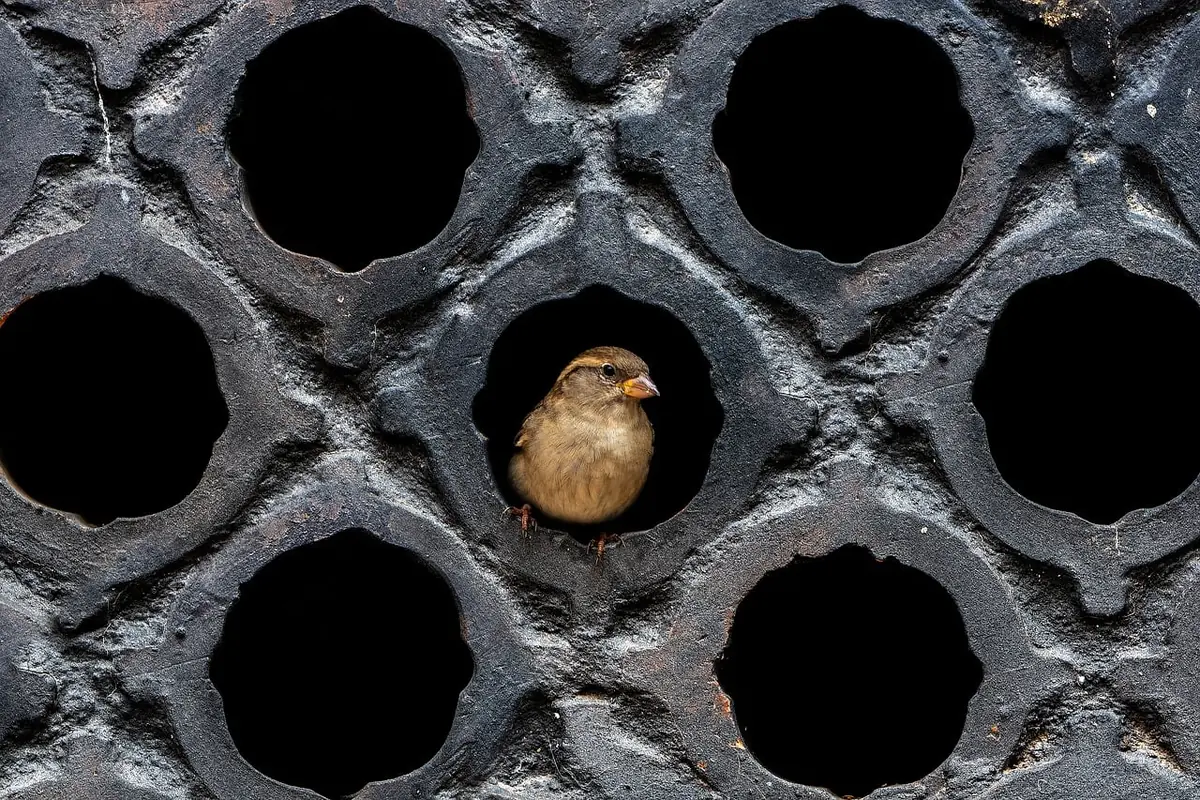
Metal mesh covering openings to block rodents
Photo by Raimun on Pixabay
๐Ÿ’ก Why Exclusion Beats Trapping Every Time

Trapping eliminates individual rodents โ€” exclusion eliminates the infestation permanently. Every mouse removed by snap trap is replaced within 2โ€“3 weeks by the next rodent from outside. Sealing every entry point (holes ยผ inch or larger for mice; ยฝ inch for rats) with the right materials stops the infestation at its source. Exclusion is the only permanent solution; trapping is temporary management.

Top Products

Best Rodent Exclusion Products โ€” Ranked

1
Xcluder Rodent Control Fill Fabric
Stainless steel wool in polyester fiber โ€” the professional exclusion standard
โ˜…โ˜…โ˜…โ˜…โ˜…
Best in ClassRodents Cannot Chew ThroughFlexible โ€” Fills Any Shape

Xcluder is used by USDA, CDC-certified rodent-exclusion programs, and most professional PCOs as the gold standard for gap sealing. The product is a blend of coarse stainless steel wool fibers and polyester fill that rodents cannot chew through โ€” the stainless steel fibers fray and irritate the rodent's mouth and teeth on contact, and the combination of steel and polyester cannot be pulled apart like plain steel wool. Steel wool alone (without synthetic fiber) compresses and can be pushed out of a gap; Xcluder maintains its form.

How to use: Cut Xcluder to the approximate shape of the gap. Stuff it tightly into the gap using a screwdriver or putty knife โ€” pack it firmly so it fills the full depth of the gap. Then seal over the surface with caulk, foam, or hydraulic cement depending on the surface type. The Xcluder provides the rodent-proof barrier; the sealant prevents it from being displaced.

Where to use: Around all utility penetrations (plumbing pipes, electrical conduit, gas lines through foundation or walls), foundation cracks, gaps around the base of exterior doors, gaps in the garage door frame, and the gap between the sill plate and foundation where these surfaces are not flush.

Cost: $25โ€“35 / small rollLasts: Permanent
โœ“ Best for: Every rodent exclusion job. This is the one material to always have on hand. Do not substitute plain steel wool โ€” it rusts, compresses, and can be displaced. Xcluder is worth the price difference.
2
ยฝ-Inch Galvanized Hardware Cloth (19-Gauge)
Rigid wire mesh โ€” for larger openings and vent covers
โ˜…โ˜…โ˜…โ˜…โ˜…
Rigid BarrierSquirrel/Rat Grade

Hardware cloth with ยฝ-inch openings and 19-gauge (minimum) wire is the appropriate material for covering larger openings โ€” gable vents, foundation vents, soffits, and gaps at the roofline. Unlike window screen (which rats and squirrels chew through in seconds), 19-gauge galvanized hardware cloth requires gnawing pressure that rodents do not sustain when they encounter resistance. Cut to size with tin snips and attach with galvanized screws (not staples โ€” staples pull out).

Note on gauge: For squirrels and raccoons, use 14-gauge hardware cloth minimum โ€” squirrels can deform and eventually work through lighter gauge over time. For mice and rats, 19-gauge is sufficient.

Cost: $25โ€“40 / 5ft x 10ft rollBest for: Vents, larger gaps
โœ“ Best for: Covering foundation vents, gable vents, and larger structural gaps. Must be attached with screws โ€” staples or adhesive will fail. Use in combination with Xcluder for gaps that are irregularly shaped.
3
DAP Dynaflex 230 Sealant
Paintable elastomeric caulk โ€” for sealing over exclusion material
โ˜…โ˜…โ˜…โ˜…โ˜†
Over-Seal MaterialFlexible โ€” Won't Crack

After filling a gap with Xcluder or hardware cloth, the surface must be sealed to prevent the fill material from being displaced and to close any remaining micro-gaps. DAP Dynaflex 230 is an elastomeric sealant that remains flexible when cured โ€” it expands and contracts with temperature changes without cracking, unlike rigid caulks. This flexibility is critical for exterior applications where temperature swings cause expansion and contraction of building materials.

For gaps larger than ยฝ inch: Use expandable foam (Great Stuff Pest Block, which contains capsaicin โ€” a deterrent to gnawing) over Xcluder fill. For gaps up to ยฝ inch at the surface: Dynaflex 230 caulk directly. For foundation cracks: hydraulic cement for water-exposed areas, then caulk over when dry.

Cost: $6โ€“9/tubeBest used: Over Xcluder to seal surface
โœ“ Best for: Final sealing over exclusion material on walls, floors, and around pipes. Choose color to match the surface (white, brown, gray, and clear available).
4
Great Stuff Pest Block Insulating Foam
Capsaicin-enhanced foam sealant โ€” for larger gaps
โ˜…โ˜…โ˜…โ˜…โ˜†
Use Over Xcluder OnlyCapsaicin Deterrent

Standard expanding foam (Great Stuff, Loctite Tite Foam) is NOT rodent-proof โ€” mice and rats chew through it easily. Great Stuff Pest Block adds capsaicin (hot pepper extract) to the foam formulation as a deterrent to gnawing. It is significantly more effective than standard foam for rodent exclusion, but still should not be used as the sole exclusion material for large gaps โ€” use Xcluder first to fill the gap, then foam over it as a surface seal.

Cost: $10โ€“14/canBest used: As final seal over Xcluder, not alone
โœ“ Best for: Quickly sealing irregular-shaped gaps around pipes in less-accessible locations. Always layer over Xcluder or hardware cloth โ€” never rely on foam alone as the rodent barrier.
5
Pemko 270A Commercial Door Bottom Sweep
Aluminum door sweep โ€” seals the #1 rodent entry (garage door/exterior door gap)
โ˜…โ˜…โ˜…โ˜…โ˜†
Door Gap FixGarage Door Rated

The gap under exterior doors โ€” especially garage doors โ€” is the #1 most common mouse entry point in residential structures. A standard hollow rubber door sweep compresses over time and allows gaps of ยผ inch or more to develop at the corners. The Pemko 270A uses an aluminum channel with a replaceable vinyl sweep that makes full contact with the threshold โ€” it is the standard sweep used in commercial rodent exclusion work.

For garage doors specifically: the rubber threshold seal (Clopay and Genie make replacements) along the full bottom of the door is the critical element โ€” the bottom corners where the door meets the floor are the primary mouse entry points. Replace worn threshold seals whenever light is visible underneath when the door is closed.

Cost: $20โ€“35 / doorInstalls: 15 minutes
โœ“ Best for: Any exterior door with a visible gap at the bottom. The most underused exclusion product in residential pest management.
๐Ÿ’ก The Complete Rodent Exclusion Inspection Process

Walk the entire exterior of the home in the evening with a flashlight. Mark every gap ยผ inch or larger. Don't forget: utility penetrations through the foundation, the sill plate-foundation junction (often not flush), where pipes enter the wall, where electrical enters through the eave, weep holes in brick, and the corners of garage door frames. Inside: check under sinks, around all supply lines, at the junction of cabinets and walls, and where the floor meets exterior walls in basements and crawlspaces. Seal every marked gap before trapping โ€” otherwise you replace trapped rodents indefinitely.

๐Ÿ“š More on This Topic

Related guides and profiles:

๐Ÿ”— Rodent Control Hub๐Ÿ”— Rodents๐Ÿ”— House Mouse๐Ÿ”— ๐Ÿ€ Norway Rat โ€” Complete Elimination Guide
๐Ÿ“š Sources: CDC Rodent Control ยท EPA Rodenticide Safety
DG
Derek Giordano
Certified Pest Control Operator ยท Former Business Owner
Derek ran his own pest control company in Florida for several years, servicing thousands of regular customers. All content is based on hands-on field experience and current EPA & university extension guidelines.

Why rodent infestations cluster in fall and what to do early

Rodent entry into homes peaks in fall as outdoor populations seek warmer harborage before winter. The timing is predictable enough to schedule preventive interventions: late August through October in most regions, earlier in colder climates, with peak entry pressure in the weeks following first nighttime temperatures below 50ยฐF. Preventive measures more effective when timed to this window include exterior exclusion (sealing gaps before population starts probing), exterior bait stations (intercepting populations before they enter), removing exterior harborage near the structure (woodpiles, dense ivy, unused equipment), and trimming vegetation away from foundation lines and roof contact. Trapping after rodents are already inside is reactive and consistently more difficult than preventing entry; the leverage of a pre-fall exclusion audit is dramatic and frequently overlooked. Setting a calendar reminder for late summer rodent prep produces results out of proportion to the time investment.

Pest pressure as a property value signal โ€” and how to address it before listing

Pest issues directly affect property valuation in several documented ways: termite damage is a standard inspection finding that can derail closings or require significant credits; rodent activity in attics and crawlspaces flags during inspections and creates buyer concerns about hidden damage; visible cockroach or bedbug activity raises the question of what else has been neglected. Sellers who address pest issues before listing โ€” ideally with documentation of treatment and a clean follow-up inspection โ€” preserve more value than those who try to negotiate around buyer-discovered issues. The investment is typically modest relative to the price impact: a pre-listing inspection by a licensed pest control company runs a few hundred dollars in most markets, and resolving common findings (rodent exclusion, ant treatment, wasp nest removal) is rarely a significant expense. The value preservation comes from removing inspection findings as negotiation leverage, not from any single repair.

Rodent bait stations: when they're appropriate and when they aren't

Rodenticide bait stations have a specific role in rodent management but get misused frequently in residential settings. The appropriate use case is exterior, particularly for ongoing rat pressure from outdoor sources โ€” well-secured tamper-resistant stations placed along the foundation perimeter at intervals of 25-50 feet, with regular monitoring of consumption. Interior bait station use is generally inadvisable: rodents that consume bait often die in walls or other inaccessible spots, producing odors that last weeks and attract secondary pests including flies and dermestid beetles. Non-target risk is the other major issue with interior use: pets, children, and protected wildlife can be exposed through the dying rodent or directly. For interior rodent control, trapping is almost always the better choice because dead rodents are removed promptly. Exterior baiting works well for properties with chronic outdoor pressure (commercial buildings, rural homes, properties adjacent to fields or wooded areas) but should always use tamper-resistant stations, not loose bait, to protect non-targets.

Reading product labels: the parts that matter and the parts that don't

Pesticide product labels are legal documents with specific use directions, but the parts that matter most for residential decisions aren't always the parts that get attention. The active ingredient and its concentration are essential โ€” they determine what category of pest the product targets and how it compares to alternatives. The 'Directions for Use' section is binding (using a product against label instructions is technically a federal violation and may void product liability), but most homeowners skim it. The 'Precautionary Statements' section tells you exposure risks and required PPE. The 'First Aid' section matters in an emergency. What matters less in practice: marketing copy on the front of the package, brand-specific claims about superiority (federal regulations sharply limit what these can say), and 'natural' or 'organic' labeling (which can be technically accurate while still describing a product with meaningful exposure considerations โ€” pyrethrin from chrysanthemums is 'natural' but still a neurotoxin in concentration). Reading labels critically โ€” focusing on active ingredient, concentration, target pest list, application method, and precautions โ€” gives a clearer picture than retail-shelf comparison ever does.

Roof rats vs. Norway rats: identification and treatment differences

The two rat species common in U.S. residential settings โ€” Norway rats and roof rats โ€” present meaningful differences in behavior and treatment that affect control strategy. Norway rats are larger, more aggressive, ground- and burrow-dwelling, and prefer protein-rich diets; they're more common in the northeastern and midwestern U.S. and in urban environments. Roof rats (also called black rats or ship rats) are smaller, more cautious, climbing-oriented, and prefer fruits and vegetable matter; they're more common in the southeastern, southwestern, and west coast states and in residential areas with mature trees and vegetation. The behavioral differences drive trapping strategy: Norway rats are caught at ground level along walls and in basement-style locations with peanut butter or meat-based baits, while roof rats are trapped in attics, on rafters and ceiling joists, and along utility lines using fruit, nut butter, or seed-based baits. Misidentification leads to treatment failures because traps placed for ground-dwelling rats won't intercept arboreal roof rats, and vice versa. Identification typically requires seeing droppings (Norway rat droppings are blunt-ended and larger; roof rat droppings are tapered and smaller) or actually seeing animals.

Nesting material identification: a diagnostic many inspectors skip

Rodent nesting material is often distinctive enough to identify the species and sometimes the source. House mice favor shredded paper, fabric, insulation, and pet bedding, and their nests are typically small, compact, and located in concealed voids โ€” between drawers, in stove insulation, behind appliances, in stored linens. Roof rats build larger, more loosely organized nests using similar materials but often higher in the structure, in attics, in palm trees and ivy outside, and in the upper portions of garages. Norway rats nest at or below grade, often in burrows, basements, crawlspaces, and woodpiles, using coarser materials including grass, leaves, and stripped paper. Identifying nesting material during inspection โ€” sometimes by tracking back along grease marks or droppings to a concealed nest โ€” provides both species confirmation and a high-priority cleanup and exclusion target. Removing the nest and sealing the access often does more for long-term control than additional trapping, because nests are positional infrastructure that successive rodent generations will reuse if left intact. Skipping the nest search and focusing only on the trap line is one of the most common reasons that rodent problems recur within months of apparently successful trapping.

The economics of preventive versus reactive treatment

Preventive treatment costs money in a year when nothing is happening, which is precisely why most households avoid it. The decision to spend on prevention requires a willingness to compare what you actually spend against a counterfactual you never directly observe โ€” the infestations you would have had without it. This is a hard mental move, and it's why preventive pest control consistently underconsumed relative to its economic value. The way to think about it more clearly is to compute the expected annual cost of treatment for a property like yours given local pest pressure, then compare that against the cost of a preventive program. In most regions and for most property types, a preventive program comes in lower in expected value, sometimes substantially. The variance is also lower: instead of a year with zero pest spending followed by a year with a large unexpected expense, you have a small consistent line item that smooths out the cash flow. For households where unexpected expenses are particularly painful, that variance reduction is itself worth something even before counting the expected-value benefit.

Mouse versus rat behavior: the differences that change treatment

Mice and rats are often grouped together in pest control discussions, but their behavior differs in ways that matter for treatment. Mice are curious and explore new objects in their environment readily, which makes traps and bait stations effective relatively quickly after placement โ€” a mouse will typically investigate a new trap within a few nights. Rats, particularly Norway rats, are neophobic โ€” they avoid new objects in familiar environments for days or weeks before approaching, which means trap placement requires patience and pre-baiting before setting. Mice can squeeze through gaps as small as about a quarter inch; rats need larger openings but can chew through softer materials to enlarge gaps. Mice produce many small droppings spread across foraging areas; rats produce fewer, larger droppings concentrated near nest sites. Mice are largely indoor pests in temperate climates; Norway rats often nest outside and forage inside, which means outdoor habitat management is more relevant for rat control. Treatment that doesn't account for these differences โ€” using mouse traps in rat territory, expecting rapid bait uptake from neophobic rats, or sealing only mouse-sized gaps when rats are the actual problem โ€” produces predictable failure.

Published: Jun 1, 2024 ยท Updated: Apr 5, 2026
๐Ÿ”ฎ
Reviewed by Derek GiordanoContent on PestControlBasics.com is developed with input from certified pest management professionals and cross-referenced against EPA, CDC, and university extension guidance. Last reviewed: April 2026.