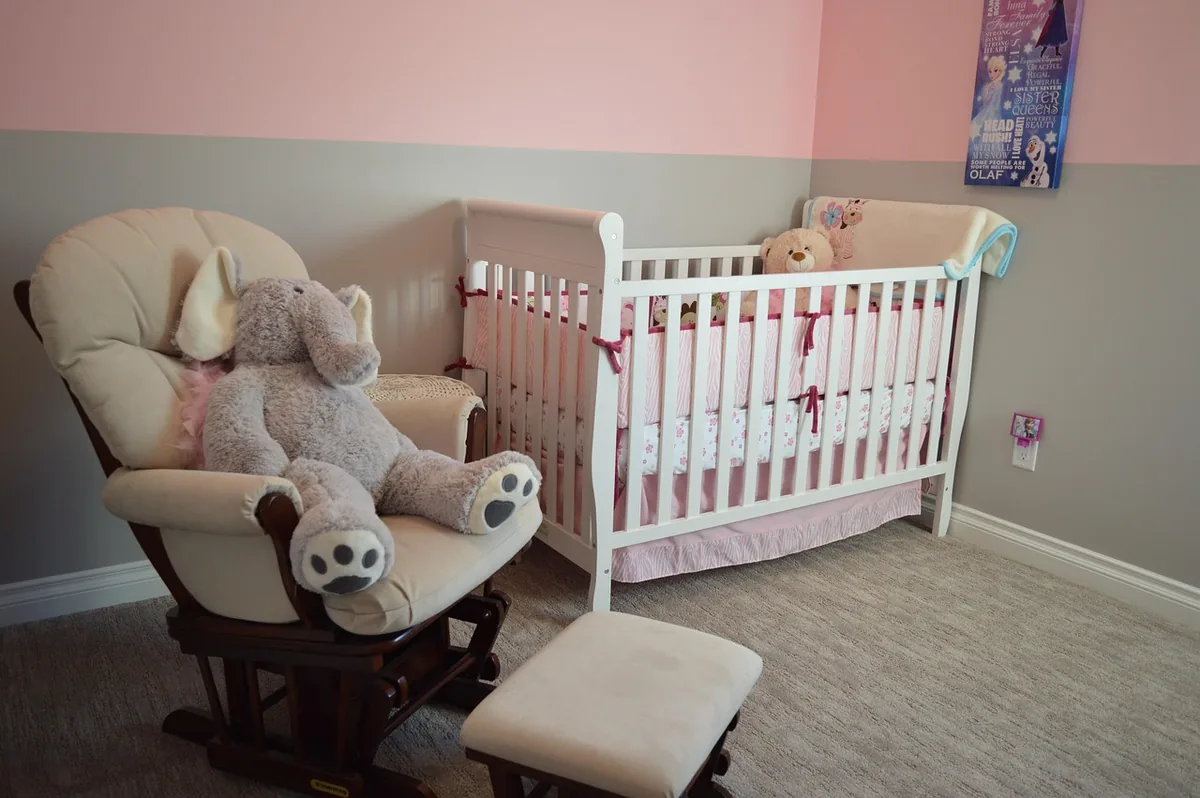
Newborns crawl on floors, put everything in their mouths, and have developing immune and respiratory systems that are far more sensitive to chemical exposure than adults. According to the EPA's guidance on children's environmental health, infants absorb proportionally more pesticide per pound of body weight, have immature detoxification pathways, and breathe at a faster rate — meaning airborne chemicals reach their lungs in higher concentrations relative to their size.
At the same time, ignoring pest problems creates its own health risks. Cockroach allergens are a leading trigger of childhood asthma, particularly in urban environments. The National Institute of Environmental Health Sciences has linked early cockroach allergen exposure to significantly higher asthma rates in children. Mice carry hantavirus and salmonella in their droppings. Ticks transmit Lyme disease, which can be particularly dangerous in infants because symptoms are harder to identify.
The answer is not avoiding pest control — it's choosing methods that eliminate pests without creating chemical exposure for your baby. This means shifting from broadcast sprays and foggers to targeted, contained treatments placed away from infant-accessible surfaces.
The nursery should be treated as a chemical-free zone. Every pest control method inside the baby's room should be physical, not chemical. Here is a systematic approach to making the nursery pest-proof without any pesticide exposure:
Seal all entry points. Caulk gaps around baseboards, pipe penetrations (if the nursery shares a wall with a bathroom or kitchen), and the edges of window frames. Install foam gaskets behind every electrical outlet cover — these are inexpensive, infant-safe, and close a common crawling-insect highway. A well-sealed nursery eliminates most insect entry without any chemical intervention.
Mattress encasement. Install a certified allergen-proof encasement on the crib mattress. Choose one certified by the Asthma and Allergy Foundation of America (AAFA). This blocks dust mite allergens and prevents any bed bug colonization of the mattress.
HEPA air purifier. Run a HEPA-rated air purifier in the nursery. This reduces airborne cockroach allergens, dust mite particles, pet dander, and any trace pesticide vapor that might migrate from treatments in other rooms. Look for a unit with a CADR (Clean Air Delivery Rate) appropriate for the nursery's square footage.
No food storage in the nursery. Do not store formula, bottles, or snacks in the baby's room. These attract ants, cockroaches, and rodents. Keep feeding supplies in the kitchen and wash bottles promptly after use.
Door sweep. A simple door sweep on the nursery door blocks crawling insects that may be moving through hallways, particularly at night. This is especially important if you are treating other rooms with baits — it prevents any pest traffic from reaching the nursery.
The EPA recommends Integrated Pest Management (IPM) for homes with children. IPM prioritizes non-chemical methods first, then uses the most targeted chemical approach possible. Here are the methods that are safe to use in a home with an infant:
Gel baits for cockroaches and ants are applied as small dots in cracks and crevices — behind the refrigerator, under the stove, inside cabinet hinges, in the gap between the dishwasher and counter. The active ingredient is contained in the bait matrix, not sprayed on surfaces. When placed properly, gel baits are in locations a crawling baby cannot reach. This is the single most effective cockroach control method available and the standard treatment in IPM programs.
For ants and cockroaches, enclosed bait stations placed behind appliances or inside locked under-sink cabinets provide continuous control with zero surface exposure. The bait is inside a tamper-resistant housing that a baby cannot open. Rodent bait stations for mice should always use tamper-resistant, lockable stations — and in a home with an infant, snap traps inside these stations are preferable to rodenticide.
CimeXa (silica gel) or diatomaceous earth applied inside wall voids — behind outlet covers using a hand duster — kills insects through physical dehydration rather than chemical toxicity. The dust remains sealed inside the wall and never contacts surfaces the baby touches. This is particularly effective for cockroaches, silverfish, and bed bugs.
Snap traps for mice placed in areas babies absolutely cannot access: behind the stove, inside closed cabinets, in the garage, or in the attic. Glue boards can be used behind heavy appliances. Sticky traps for monitoring insects can be placed under furniture and behind toilets.
Bti mosquito dunks in outdoor standing water (bird baths, rain barrels, gutters) are classified by the EPA as practically non-toxic to humans, pets, and wildlife. They target mosquito larvae exclusively. This is one of the safest pest control products in existence.
Caulk, expanding foam, steel wool, door sweeps, and window screen repair. Zero chemical exposure, permanent effectiveness, and the foundation of any baby-safe pest control plan. Exclusion should be the first step before any bait or treatment is placed.
The common thread is surface exposure. Any treatment that creates residue on surfaces babies contact is inappropriate. The baby-safe methods above work precisely because the active ingredient is contained — inside bait, inside wall voids, inside bait stations — rather than spread across surfaces.
Many parents assume "natural" essential oil pest repellents are safe around newborns. This is not always true. Peppermint oil, eucalyptus oil, and tea tree oil can all irritate infant respiratory systems and skin. The American Association of Poison Control Centers receives thousands of calls annually related to essential oil exposure in young children.
Eucalyptus oil in particular contains 1,8-cineole, which can cause respiratory distress in infants and young children when inhaled in concentrated form. The National Capital Poison Center advises against using eucalyptus oil products around children under age 2.
If you use essential oil-based products for pest deterrence, apply them only in well-ventilated areas the baby never occupies, never on or near the crib, and never in a diffuser running in the nursery. For more on essential oil effectiveness and limitations, see our essential oils truth guide.
Do not cancel your pest control service when you bring the baby home — that creates a worse problem. Instead, have a direct conversation with your technician about adjusting methods. Here is what to ask:
Request an IPM approach. Ask specifically for gel baits, bait stations, and exclusion work instead of broadcast liquid sprays. Any reputable pest control company will accommodate this request.
Ask what products they will use. A good technician will tell you the active ingredient, where it will be placed, and what the re-entry interval is. If they cannot answer these questions, find a different provider.
Inform them about the nursery. Make clear that the baby's room is a no-treatment zone. All pest management in the nursery should be physical exclusion only.
Ask about re-entry time. If any spray application is necessary (for example, a targeted crack-and-crevice treatment in the kitchen), ask how long you and the baby should remain out of the treated area. Follow the product label instructions — these are legally binding.
Get it in writing. Ask for a service report that lists every product used and every placement location. This is standard practice for professional pest control and is your documentation if questions arise.
The kitchen is where most pest problems originate. Use gel bait in cracks behind and under the refrigerator, stove, and dishwasher. Place enclosed bait stations inside locked under-sink cabinets. Seal the gap between the countertop and wall with caulk. Install an under-door sweep if the kitchen connects to a garage. Keep all baby bottles, formula, and feeding supplies in sealed cabinets — never on the counter overnight.
Caulk around pipe penetrations under the sink and behind the toilet. Place gel bait in the cabinet hinge gaps and under-sink crevices. Fix any leaking faucets or pipes — moisture attracts cockroaches, silverfish, and drain flies. If you use diaper pails in the bathroom, empty them frequently and keep the lid sealed — soiled diapers attract flies.
Physical exclusion only. Caulk all gaps, install outlet gaskets, use a door sweep, run a HEPA purifier, and install a mattress encasement. No baits, no sprays, no dusts, no essential oil diffusers. Monitor with a sticky trap behind the crib if you suspect insect activity.
Avoid any surface treatments in areas where the baby plays on the floor. If baits are needed, place them behind entertainment centers, inside the gap between the wall and couch, or behind bookshelves — locations the baby cannot reach. Vacuum frequently to reduce cockroach allergens in carpet fibers.
These areas can receive more aggressive treatment since babies should not access them. Rodent snap traps, glue boards, granular ant bait, and perimeter liquid treatments are all appropriate here. Install a tight-fitting door between the garage and living space to prevent treatment migration.
Baby-safe pest control does not have to cost more than conventional treatment. In many cases, IPM-based methods are more effective long-term because they address root causes rather than just spraying surfaces.
| Method | Estimated Cost | Baby-Safe? |
| DIY exclusion (caulk, steel wool, foam gaskets, door sweeps) | $20–$50 | ✅ Yes |
| DIY gel bait + bait stations | $15–$40 | ✅ Yes (placed correctly) |
| HEPA air purifier (nursery) | $80–$200 | ✅ Yes |
| Mattress encasement (crib) | $25–$50 | ✅ Yes |
| Professional IPM service (quarterly) | $100–$200/visit | ✅ Yes |
| Professional conventional spray (quarterly) | $80–$150/visit | ⚠️ Discuss methods |
It depends on the method. Targeted gel baits in cracks, sealed bait stations, and physical exclusion are safe with a newborn present. Broadcast sprays and foggers should be avoided entirely. If a spray treatment is necessary in a specific area like the kitchen, the baby should be out of the home during application and for at least 2–4 hours afterward, with thorough ventilation. The EPA recommends IPM for homes with children.
Enclosed bait stations, gel baits in concealed cracks, CimeXa dust inside sealed wall voids, snap traps in inaccessible areas, and Bti mosquito dunks for outdoor standing water. The common thread is containment — the active ingredient never contacts surfaces where babies crawl or put their hands.
Yes. The National Institute of Environmental Health Sciences identifies cockroach allergens as a major trigger for childhood asthma. Proteins in cockroach droppings and decomposing bodies become airborne and sensitize developing immune systems. Children exposed to high allergen levels in their first year have significantly higher asthma rates. Bait-based cockroach elimination combined with HEPA filtration is the recommended approach.
No. Canceling pest control allows cockroach allergens, rodent contamination, and disease-carrying pests to build up unchecked — which is worse for the baby than properly managed pest control. Ask your provider to switch to IPM methods: baits, stations, and exclusion instead of broadcast sprays.
Caulk all gaps around baseboards and pipe penetrations, install foam gaskets behind outlet covers, add a door sweep, use a certified allergen-proof mattress encasement, run a HEPA air purifier, and keep all food and bottles out of the nursery. These physical barriers eliminate pest entry without any chemical treatment.
Not always. Peppermint, eucalyptus, and tea tree oils can irritate infant respiratory systems. The National Capital Poison Center advises against eucalyptus oil products around children under 2. If used, apply only in well-ventilated areas away from the nursery and never diffuse in rooms where the baby sleeps.
Pest control content on the internet has grown dramatically in volume but not in average quality, and the signals that distinguish reliable sources from unreliable ones are worth knowing. Reliable content typically cites specific products by active ingredient rather than only by brand, references regional variation in pest pressure and treatment efficacy, acknowledges treatment failures and the conditions under which they occur, and avoids absolute claims about results. Unreliable content tends to make universal claims, recommend specific brand products without identifying alternatives, omit the conditions under which advice applies or fails, and write in a tone optimized for affiliate conversion rather than reader understanding. The other useful signal is whether the source discusses cost-benefit and threshold thinking — at what point does treatment become worth doing — versus only providing how-to instructions with the assumption that treatment is the right answer. Sources that engage with the decision dimension are usually more reliable than sources that skip past it. None of these signals are perfect, but applied consistently they filter out a meaningful portion of the lower-quality content that dominates search results for many pest topics.
The retail pest control aisle is largely undifferentiated by region, but pest pressure is enormously regional, and the disconnect leads to predictable purchasing mistakes. A homeowner in the Gulf Coast facing year-round subterranean termite pressure and large peridomestic cockroach populations has dramatically different needs from a homeowner in the upper Midwest facing rodent invasion in October and bed bugs in apartments. The product mix that makes sense for each is different, the level of investment that's justified is different, and the cadence of application is different. Generic shopping advice and product reviews tend to wash out these regional patterns by averaging across users. The better approach is to identify the two or three pests that actually drive pressure in your specific area, then build a product and treatment plan around those rather than around the broad category. Local cooperative extension publications, state agricultural department pest fact sheets, and regional pest control company blog content tend to be more useful sources of guidance than national review sites, precisely because they're calibrated to the conditions you're actually treating.
Pest control warranties are not standardized, and the differences between contracts that look superficially similar can be enormous. Termite warranties in particular vary across at least three significant dimensions: whether they cover retreatment only or also include damage repair, whether the damage coverage is capped or unlimited, and whether the warranty is transferable to subsequent owners. A retreatment-only warranty on a property with significant termite pressure is much weaker than a damage-inclusive warranty, and the difference matters most precisely in the situations where the warranty is most likely to be needed. General pest control service agreements often have similar gradations — some include unlimited callbacks during the service period, some include a fixed number, and some charge for any visit outside the regular schedule. Before signing, the question to ask is not whether the contract has a warranty, but exactly what the warranty covers, what triggers a callback at no charge, and what the renewal terms are. Companies rarely volunteer this clearly; reading the document carefully and asking specific questions is on the homeowner.