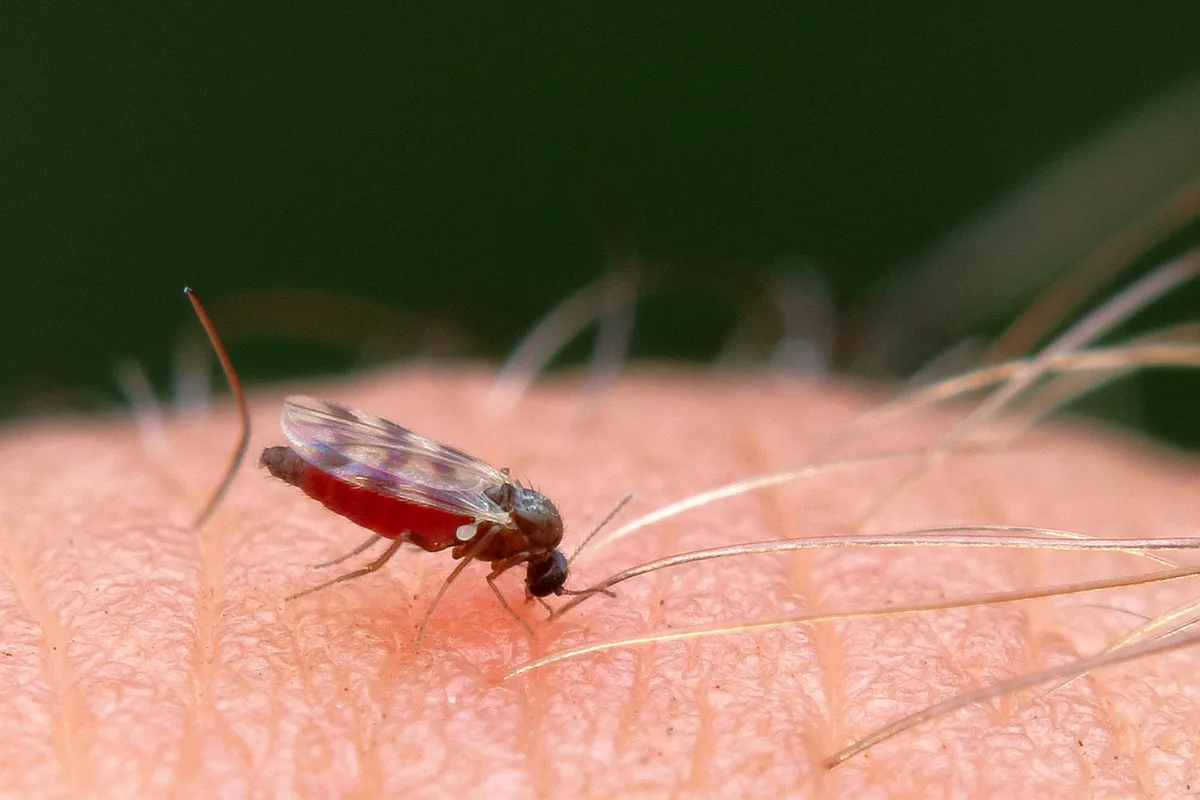
On September 29, 2026, the President signed Executive Order 14433, "Eliminating Disease-Carrying Pests and Restoring Enjoyment of the Great Outdoors." It was published in the Federal Register on October 2. The order sets a national policy of "safe and effective tick and mosquito population control" and gives several federal agencies 60 to 90 days to start specific projects. It does not change any rule you follow at home today, but parts of it could change which mosquito and tick products reach the market in the next few years.
What the order actually directs
A D.C. pilot. Within 60 days, the Interior and Agriculture Secretaries, the EPA Administrator and the General Services Administrator must develop a campaign to cut invasive mosquitoes by 90% and ticks by 50% by 2028 on federal lands in Washington, D.C. The order lists habitat remediation, controlling rodent and deer reservoirs, and "advanced technological solutions such as sterile insect techniques."
EPA and new technologies. Also within 60 days, EPA must submit a regulatory framework for developing and releasing "advanced, safe, and effective tick and mosquito control technologies," including sterilization techniques and "safe genetic modification," and must "prioritize and expeditiously advance or register novel tick and mosquito control methods or products."
Research prizes. Within 90 days, HHS must launch prize competitions for diagnostics, preventives and treatments for tick- and mosquito-borne diseases and review immunotherapy for alpha-gal syndrome, the red-meat allergy linked to tick bites. USDA must run prize competitions for "non-chemical means" of reducing disease vectors.
Alpha-gal labeling. Agencies have 60 days to explore labeling food and drug products that contain alpha-gal, similar to other allergy warnings.
Why it matters for homeowners
The most consequential piece for consumers is the push on EPA. Every pesticide sold in the U.S. must be registered under FIFRA, and the applicant has to show that using it according to its label won't cause unreasonable adverse effects. A faster path for sterile-insect releases and other new methods could, over time, mean more options beyond sprays. How quickly that happens depends on the framework EPA produces and on the science behind each product.
The D.C. targets are ambitious and limited to federal land there. They're a pilot, not a nationwide program, so local mosquito control districts and your own yard habits remain the front line where you live.
What still protects you right now
Mosquitoes: In summer, mosquitoes can go from egg to adult in a week or less, so dump standing water weekly and use Bti dunks in water you can't drain. Wear an EPA-registered repellent such as DEET or picaridin.
Ticks: Treat clothing with 0.5% permethrin, shower within two hours of coming inside, and do a full-body tick check. Our tick guide covers removal and yard steps from CDC and the California Department of Public Health.
Rodents and deer are the reservoirs the order names; keeping mice out of the house and fencing gardens against deer are long-standing, sourced steps covered in our rodent and wildlife guides.
What to watch next
The 60-day deadlines fall around late November 2026 and the 90-day deadlines around late December. The pieces to watch are EPA's regulatory framework for new technologies and any announced prize competitions from HHS and USDA. The Wire will cover them when they're published.
Sources: Executive Order 14433, Federal Register, 91 FR 63125 (October 2, 2026); CDC, Preventing Tick Bites; EPA, Summary of FIFRA; UC IPM Pest Notes: Mosquitoes. The Wire summarizes and contextualizes primary sources; we do not republish.