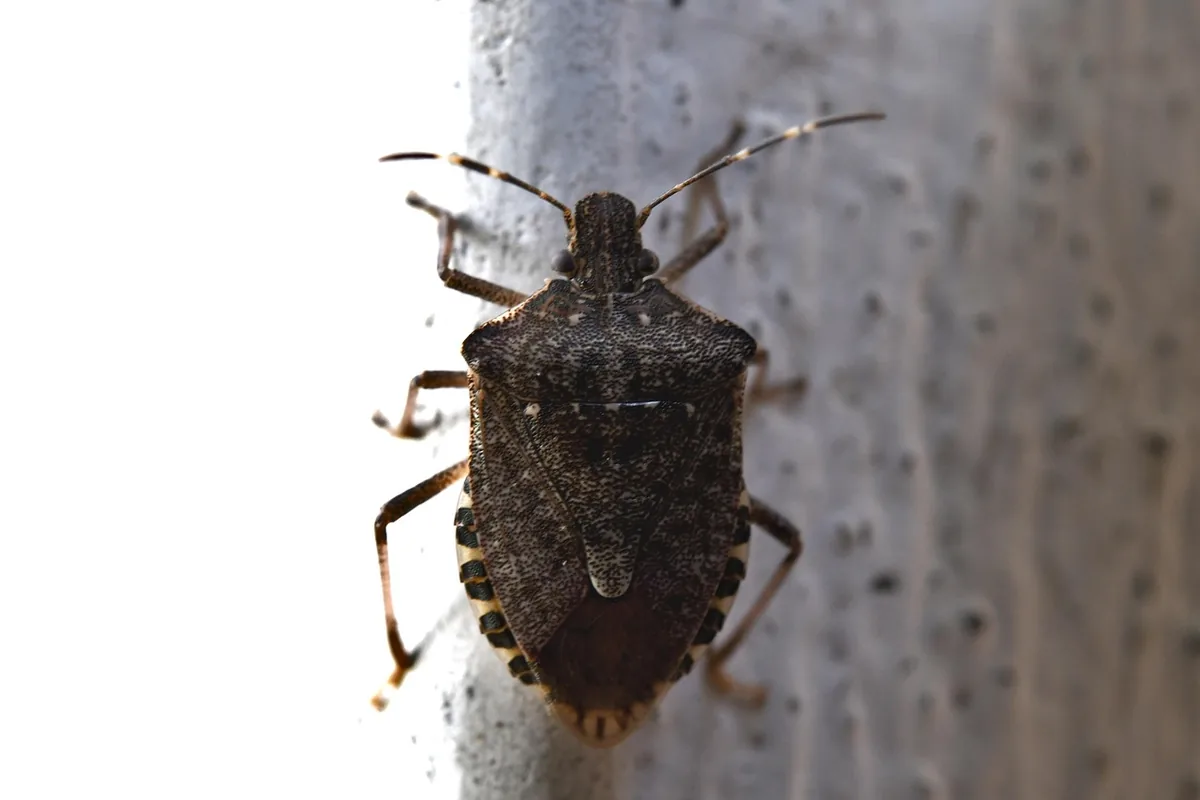
Bed bugs were nearly eradicated in the United States by the 1950s thanks to DDT. Their return has been dramatic. Reports to the EPA increased over 500% between 2000 and 2020, and the trend has continued through 2025–2026. Major U.S. cities — New York, Chicago, Philadelphia, Detroit, and Los Angeles — consistently rank among the most infested in the country. According to the EPA's bed bug resource page, the resurgence is now considered a significant public health issue nationwide.
Understanding why bed bugs are back, and why they are so difficult to eliminate, is the first step toward protecting yourself. This guide covers everything from the science behind their resistance to practical steps you can take today.
Pyrethroid resistance is the #1 factor. The most widely used class of insecticides against bed bugs (pyrethroids including deltamethrin and permethrin) is now ineffective against most urban populations. Research from the University of Kentucky Department of Entomology — the leading academic bed bug research program in the U.S. — has documented pyrethroid resistance rates exceeding 90% in field-collected populations. Products that worked in 2005 may have minimal effect on 2026 populations. See our pesticide resistance article for more detail.
Increased travel creates constant reintroduction. International and domestic travel brings people into contact with infested hotel rooms, hostels, and Airbnbs. Bed bugs hitchhike in luggage, clothing, and personal items. A single pregnant female in a suitcase can establish an entire colony within weeks. See our hotel inspection guide for protective steps.
The secondhand economy opens new pathways. The popularity of thrift stores, estate sales, Facebook Marketplace furniture, and curbside finds has created new vectors for bed bug introduction. Upholstered furniture, mattresses, and bed frames are the highest-risk items. The UC IPM program specifically warns against acquiring used upholstered furniture without thorough inspection.
Stigma delays treatment — and delay is devastating. Many people are embarrassed by bed bugs and delay reporting or treatment. A single female bed bug lays 200–500 eggs in her lifetime, producing 1–5 eggs per day. Research from Penn State Extension shows that a small introduction of just 10 bugs can grow to over 1,000 in three months under typical conditions. Every week of delay means exponential population growth and higher treatment costs.
Multi-unit housing accelerates spread. In apartments and condominiums, bed bugs travel between units through wall voids, electrical conduits, and plumbing chases. One infested apartment can seed an entire building. This is why the CDC recommends that multi-unit housing managers treat adjacent units whenever an infestation is confirmed.
Early detection is critical. The earlier you catch an infestation, the cheaper and easier it is to eliminate. Here are the telltale indicators, ranked by reliability:
Live bugs or cast skins (most reliable): Adult bed bugs are about the size and shape of an apple seed — flat, oval, and reddish-brown. Nymphs (juveniles) are smaller and translucent to pale yellow. As they grow, they shed their exoskeletons, leaving behind pale, empty husks in harborage areas.
Fecal spots: Dark brown or black spots (about the size of a marker dot) on mattress seams, box spring fabric, headboard joints, and nearby baseboards. These are digested blood deposits and are one of the most consistent early indicators.
Bite patterns: Bites typically appear in clusters or lines of 3–5 itchy welts, often called "breakfast, lunch, and dinner." Common locations include arms, shoulders, neck, and legs exposed during sleep. However, about 30% of people show no visible reaction to bed bug bites, according to University of Kentucky entomologists, which means bites alone are not a reliable detection method.
Blood smears on sheets: Small rusty or reddish stains on bed linens, caused by crushing a recently fed bug while shifting in your sleep.
Not all treatments are equal, and many popular options are largely ineffective against modern bed bug populations. Here is what the research and field experience support:
Whole-room heat treatment remains the most effective single-visit solution. By raising room temperature to 130°F (54°C) and maintaining it for 4+ hours, heat kills all life stages including eggs — no chemical resistance is possible. Success rates exceed 95% in a single treatment when performed by an experienced operator with proper equipment. Cost: $1,200–$3,000 depending on area size and location. See our bed bug treatment cost guide for detailed pricing.
If professional treatment is not in the budget, a disciplined multi-tool approach can succeed. Use a combination of:
CimeXa silica gel dust — applied to wall voids, under baseboards, inside electrical outlets (with covers removed), and along bed frame joints. Desiccant dusts kill by destroying the bug's waxy outer coating, causing fatal dehydration. Resistance is not possible because the mechanism is physical, not chemical. A single application remains effective for years if left undisturbed.
Mattress and box spring encasements — quality, bite-proof encasements (look for "bed bug certified" or "lab tested" on packaging) trap any bugs inside and prevent new colonization. Leave encasements on for at least 12 months, since bed bugs can survive up to a year without feeding.
Interceptor traps — placed under all four bed legs, these moat-style traps catch bugs traveling to and from the bed. They also serve as a monitoring tool to confirm whether an infestation is active.
See our complete bed bug DIY protocol for a step-by-step plan.
Chlorfenapyr (brand names: Phantom, Crossfire) represents a different chemical class than pyrethroids and is effective against resistant populations. It works as a pro-insecticide — it must be metabolized by the insect to become toxic, which is a pathway that bed bugs have not yet developed resistance to.
Combination sprays that pair a pyrethroid with a neonicotinoid (like Temprid FX) can overcome pyrethroid resistance through the secondary active ingredient. Professional applicators typically rotate chemical classes between treatments to prevent resistance development.
Prevention is far cheaper than treatment. These habits significantly reduce your risk:
Travel protocol: Inspect hotel rooms before unpacking — check the mattress seams, headboard, and luggage rack. Keep suitcases on hard surfaces or in the bathtub, never on the bed or carpeted floor. When you return home, unpack directly into a hot dryer (at least 120°F for 30 minutes) to kill any hitchhikers. See our hotel inspection checklist.
Secondhand furniture rules: Never bring home upholstered furniture from unknown sources without thorough inspection. Hard-surface furniture (wood dressers, metal bed frames) is lower risk but should still be inspected at joints and screw holes. Our thrift store pest guide covers inspection techniques for used items.
Laundry awareness: If you use shared laundry facilities, transport clothes in sealed plastic bags and fold at home rather than on communal tables. Shared laundry rooms in apartments are a documented spread vector.
Proactive monitoring: Place interceptor traps under bed legs as a passive early-warning system, even if you have no current infestation. Check them monthly. Early detection when only a few bugs are present makes elimination dramatically easier and cheaper.
DIY methods can work for small, early-stage infestations. But there are clear situations where professional treatment is the right call:
You are finding bugs in multiple rooms. Once bed bugs have spread beyond the bedroom, the scope of treatment increases significantly. Multi-room infestations are difficult to resolve with DIY methods alone.
You have tried DIY for 4+ weeks without improvement. If you are still finding live bugs or fresh bites after a month of disciplined treatment, the infestation is either larger than estimated or your approach needs adjustment. A professional inspection can identify harborage sites you may have missed.
You live in a multi-unit building. Adjacent-unit spread means your unit alone cannot be treated in isolation. Professional pest control companies can coordinate treatment across multiple units and common areas.
Someone in the household has severe reactions. About 30% of people have strong allergic responses to bed bug bites, including large welts, secondary infections, and significant sleep disruption. When health is at stake, the speed and reliability of professional treatment is worth the cost.
Use our Find a Pro tool to locate bed bug specialists in your area, and read our guide to choosing a pest control company before hiring.
Cost is often the deciding factor. Here is a realistic comparison for treating a typical one-bedroom infestation:
| Method | Cost Range | Timeline | Success Rate |
|---|---|---|---|
| DIY (dust + encasements + traps) | $100–$250 | 6–8 weeks | 70–85% |
| Professional chemical (2–3 visits) | $500–$1,500 | 3–5 weeks | 85–95% |
| Professional heat treatment | $1,200–$3,000 | 1 day | 95%+ |
| Fumigation (severe/whole-building) | $4,000–$8,000+ | 2–3 days | 99%+ |
For a detailed breakdown including regional pricing variations and what to expect during treatment, see our bed bug treatment cost guide.
Yes. Bed bugs are not attracted to dirt or filth — they are attracted to carbon dioxide and body heat from sleeping humans. A spotless home is just as vulnerable as a cluttered one. Clutter does give them more hiding spots, but cleanliness alone does not prevent or eliminate infestations.
Bed bug bites typically appear in clusters or lines of 3–5 red, itchy welts on skin exposed during sleep. Unlike mosquito bites (random, singular) or flea bites (concentrated around ankles), bed bug bites follow a linear "breakfast, lunch, and dinner" pattern. Confirm by inspecting mattress seams, box spring corners, and headboard joints for live bugs, cast skins, or dark fecal spots. See our complete nighttime biting guide and bed bug lookalikes.
Most over-the-counter bed bug sprays contain pyrethroids, which the majority of urban bed bug populations are now resistant to. Research from the University of Kentucky found resistance rates above 90% in some areas. Desiccant dusts like CimeXa (silica gel) or diatomaceous earth are more effective because they kill through physical dehydration, which insects cannot develop resistance to.
Professional heat treatment can eliminate bed bugs in a single day (4–8 hours). Chemical treatments typically require 2–3 visits spaced 10–14 days apart. DIY approaches using desiccant dusts and encasements can take 6–8 weeks. The timeline depends on infestation severity and the method chosen.
According to the CDC, bed bugs are not known to transmit disease to humans. However, their bites can cause significant allergic reactions, secondary skin infections from scratching, insomnia, and anxiety. The psychological toll of a bed bug infestation is well-documented in medical literature.
In most cases, no. A quality bed bug-proof encasement traps any bugs inside and prevents new colonization. Encasements cost $30–$80 versus $500–$2,000+ for a new mattress. Only discard a mattress if it is severely damaged or if an encasement cannot be properly fitted.
Pest control content on the internet has grown dramatically in volume but not in average quality, and the signals that distinguish reliable sources from unreliable ones are worth knowing. Reliable content typically cites specific products by active ingredient rather than only by brand, references regional variation in pest pressure and treatment efficacy, acknowledges treatment failures and the conditions under which they occur, and avoids absolute claims about results. Unreliable content tends to make universal claims, recommend specific brand products without identifying alternatives, omit the conditions under which advice applies or fails, and write in a tone optimized for affiliate conversion rather than reader understanding. The other useful signal is whether the source discusses cost-benefit and threshold thinking — at what point does treatment become worth doing — versus only providing how-to instructions with the assumption that treatment is the right answer. Sources that engage with the decision dimension are usually more reliable than sources that skip past it. None of these signals are perfect, but applied consistently they filter out a meaningful portion of the lower-quality content that dominates search results for many pest topics.
Pest control warranties are not standardized, and the differences between contracts that look superficially similar can be enormous. Termite warranties in particular vary across at least three significant dimensions: whether they cover retreatment only or also include damage repair, whether the damage coverage is capped or unlimited, and whether the warranty is transferable to subsequent owners. A retreatment-only warranty on a property with significant termite pressure is much weaker than a damage-inclusive warranty, and the difference matters most precisely in the situations where the warranty is most likely to be needed. General pest control service agreements often have similar gradations — some include unlimited callbacks during the service period, some include a fixed number, and some charge for any visit outside the regular schedule. Before signing, the question to ask is not whether the contract has a warranty, but exactly what the warranty covers, what triggers a callback at no charge, and what the renewal terms are. Companies rarely volunteer this clearly; reading the document carefully and asking specific questions is on the homeowner.
Renovation work is one of the highest-value moments for pest intervention, and it's also one of the most consistently missed. When walls are open, when slabs are exposed, when crawlspaces are accessible, when sill plates are visible — these are the windows during which exclusion work, soil treatment, perimeter sealing, and harborage elimination can be done at a fraction of their normal cost and with dramatically better completeness. The same caulk-and-foam exclusion job that takes hours of awkward work after the fact can be done in minutes when the wall cavity is open. A pre-construction termite soil treatment is dramatically more effective than any post-construction equivalent, but it has to happen before the slab is poured. Even non-structural renovations like flooring replacement, kitchen rework, or basement finishing create windows during which the home's pest-relevant geometry can be improved. The cost of pulling in a pest professional during the renovation envelope, even just for an inspection and recommendations, is almost always recovered in reduced future treatment costs and avoided structural damage. The conversation to have with general contractors is whether they're willing to coordinate with a pest specialist during the open-wall phase, and most reputable contractors are, particularly on larger jobs where the small additional scheduling complexity is offset by the value-add for the homeowner.