On this page
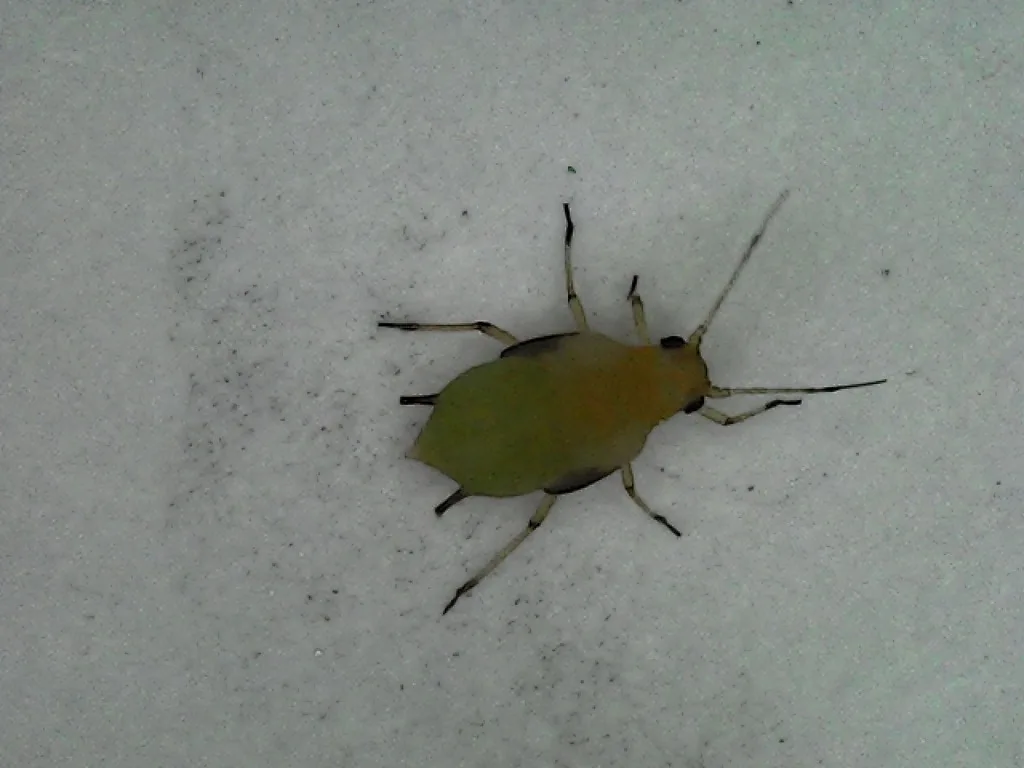
How to identify it
Look-alikes
| Look-alike | How to tell them apart |
|---|---|
| Green apple aphid | Nearly identical in looks and habits; NC State manages both the same way.[1] |
| Rosy apple aphid | Unlike rosy apple aphids, which move to plantain for part of the year, spirea and green apple aphids stay on apple.[1] |
Where it lives
Widely distributed; very common in North Carolina, and active in May in Maryland.[1][2]
Biology and life cycle
It overwinters as glossy black eggs on rough bark of the previous year's growth, and spring stem mothers give birth to live young without mating.[1]
Winged forms appear later and spread to other host plants.[1]
In Maryland, predators and parasites often collapse populations by June.[2]
Damage and signs
Health risk
Control
Biological control
Lady beetles, syrphid fly larvae and lacewing larvae usually keep populations below damaging levels.[1][2]
Pesticides
If you must treat, choose something with low impact on beneficial insects, such as neem oil or horticultural oil.[2]
Common questions
Sources
- NC State Extension, “Green Apple Aphid and Spirea Aphid (PDIC Factsheet).” content.ces.ncsu.edu/green-apple-aphid-spirea-aphid (accessed 2026-10-16)
- University of Maryland Extension (Home and Garden Information Center), “Spirea Aphids.” extension.umd.edu/resource/spirea-aphids (accessed 2026-10-16)
- iNaturalist, “Aphis spiraecola taxon page (order and family).” www.inaturalist.org/taxa/330185 (accessed 2026-10-06)