PestControlBasics
Menu

Wool Sower Gall Wasp

Callirhytis seminator[3]

The wool sower gall wasp is a tiny gall wasp whose grubs make white oak twigs grow fluffy, cotton-ball galls in spring.[1][2]

Group
Insect
Order
Hymenoptera
Family
Cynipidae
Sources
3 cited
Updated
2026-10-17
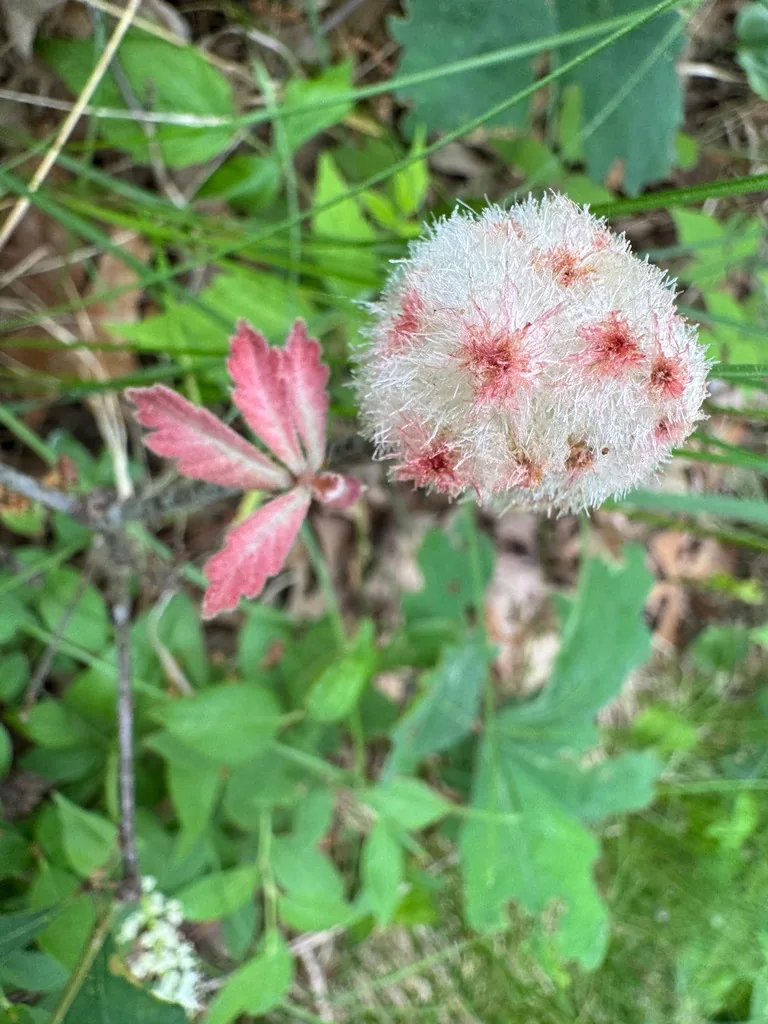
Fluffy white wool sower gall with pink spots on an oak twig
Fluffy white wool sower gall with pink spots on an oak twig. (c) Elizabeth Axley, some rights reserved (CC BY) — via iNaturalist, CC BY 4.0
On this page
  1. Identification
  2. Look-alikes
  3. Where it lives
  4. Biology
  5. Damage and signs
  6. Health risk
  7. Control
  8. Related profiles
  9. Common questions
  10. Sources

How to identify it

  • Galls are fluffy and white at first, then white with pink spots, then brownish.[1][2]
  • Inside are small, hard, tan seed-like structures, each holding a grub; the gall is also called the oak seed gall.[1][2]
  • Adults are about 1/8 inch long, dark brown, with a flattened abdomen.[1][2]

Look-alikes

Look-alikeHow to tell them apart
Oak gall waspsMany other gall wasps make galls on oaks; the wool sower gall is specific to white oaks in spring.[1]

Where it lives

Found where white oaks grow, including North Carolina and South Carolina.[1][2]

Biology and life cycle

Gall wasps alternate generations; this generation develops in stem tissue, and adults tunnel out and usually emerge in June or July.[1][2]

The female lays eggs in young leaf or stem tissue, and the tree forms the gall in response to the larva's secretions.[2]

Damage and signs

  • White oak is the main host; chestnut oak and swamp white oak are also listed.[1]
  • The galls typically do not harm the tree.[2]

Health risk

None to people or pets.[1][2]

Control

Prevention

By the time galls are noticed, control is too late; the grubs are protected inside the gall, and the galls are harmless.[1][2]

Common questions

What is the cotton ball with pink spots on my oak?
A wool sower gall made by a tiny wasp.[1][2]
Will it hurt my tree?
No; the galls typically do not harm the tree.[2]

Sources

  1. NC State Extension, “Wool Sower Gall Wasp (PDIC Factsheet).” content.ces.ncsu.edu/wool-sower-gall-wasp (accessed 2026-10-16)
  2. Clemson Cooperative Extension Home & Garden Information Center, “Wool Sower Gall (Callirhytis seminator): Causes, Life Cycle and Control.” hgic.clemson.edu/wool-sower-gall-callirhytis-seminator-causes-life-cycle-control/ (accessed 2026-10-16)
  3. iNaturalist, “Callirhytis seminator taxon page (order and family).” www.inaturalist.org/taxa/123900 (accessed 2026-10-06)

Updated 2026-10-17. Built from sourced records. Spot an error? Tell us.