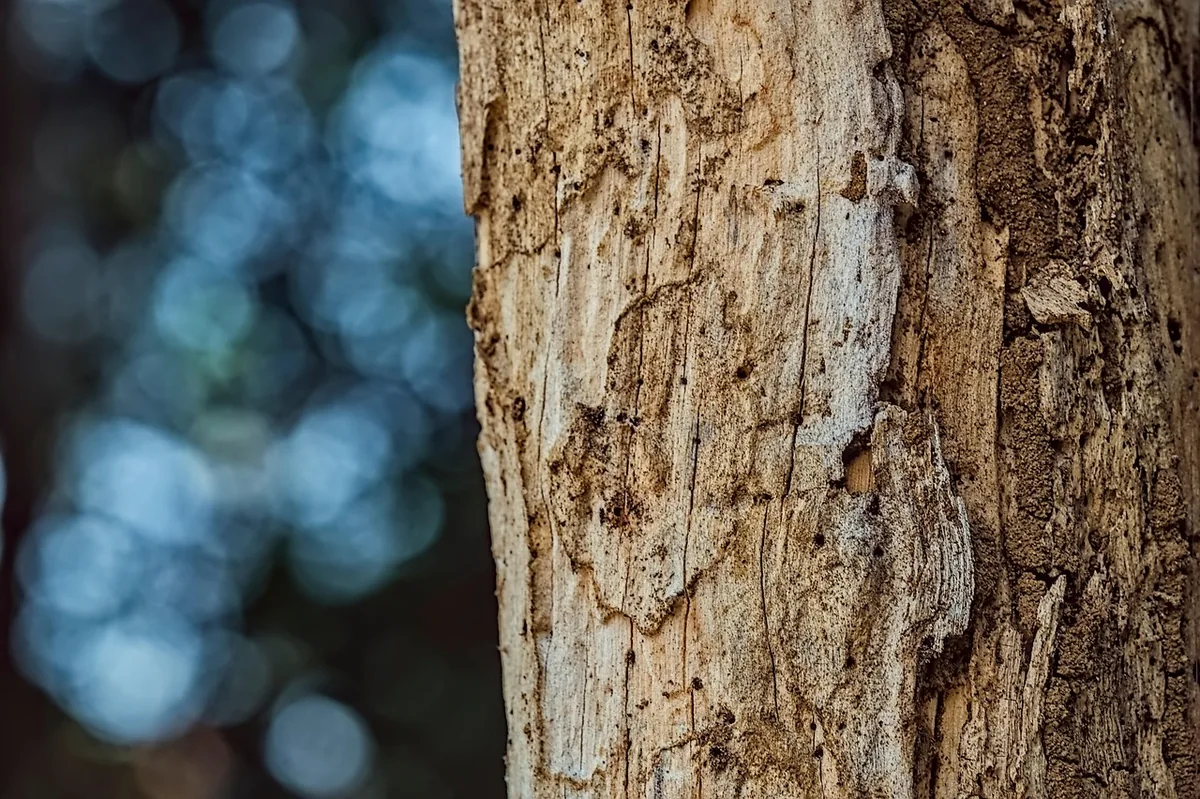
There's a huge gap between pests that are terrifying and pests that are actually dangerous to your home. A house centipede sprinting across your bathroom floor triggers a visceral panic response — but it's eating the cockroaches you should actually be worried about. Meanwhile, termites silently consume your home's framing for years before you notice a single sign.
This guide separates the real threats from the nuisance pests so you can focus your time and money where it matters.
Termites ($5+ billion/year in U.S. damage): Subterranean termites are the #1 structural pest in America. A mature colony consumes 5 pounds of wood per month. Most homeowner's insurance does not cover termite damage. Annual professional inspections ($75–$150) are the single best investment a homeowner can make. Prevention guide →
Carpenter ants: Don't eat wood (they excavate it for nesting), but the structural damage is real. Large black ants (1/2 inch) and sawdust-like frass near wood are the signs. Always indicates a moisture problem. Wood damage ID guide →
Wood-boring beetles: Powderpost beetles, old house borers, and anobiid beetles create tiny exit holes and reduce structural wood to powder over years. Active infestation (fresh frass, new holes) requires treatment. Old exit holes with no fresh frass may indicate an inactive, resolved infestation.
Rodents (fire hazard): Mice and rats chew electrical wiring — a leading cause of house fires. They also damage insulation, contaminate food storage, and create health hazards through droppings and urine.
Carpet beetles: Larvae feed on wool, silk, fur, leather, and any natural fiber. They can destroy clothing, rugs, and upholstered furniture. Often misidentified as moths.
Clothes moths: Similar damage profile to carpet beetles — target woolens, cashmere, and silk. Larvae do the damage; adult moths are just the visible symptom.
Carpenter bees: Bore perfectly round 1/2-inch holes in unfinished wood. Individual holes are minor, but repeated annual nesting in the same boards compounds damage over years. Woodpecker damage following carpenter bee activity accelerates the problem.
Silverfish: Destroy books, photographs, wallpaper, and stored documents. A symptom of excess humidity — fixing the moisture problem fixes the silverfish problem.
These pests trigger the most calls to pest control companies but cause zero structural damage:
House centipedes: Terrifying appearance, beneficial predator. Eats cockroaches, spiders, and silverfish. No structural damage. Their presence signals high moisture and a prey pest population.
Stink bugs: Overwintering nuisance — they enter homes in fall to hibernate. No structural damage, no indoor reproduction, no food contamination. Just annoying and smelly if crushed.
Camel crickets: Startle with their jumping, but cause no meaningful damage. Indicate moisture in basements.
Spiders (most species): The vast majority of house spiders are harmless. They eat other pests and cause no structural damage whatsoever.
Termites ($5B+/year US damage), carpenter ants, powderpost beetles, rodents (25% of unknown-origin house fires from wire gnawing), and carpenter bees.
Termites cause more annual property damage than fires, floods, and tornadoes combined. A colony eats ~5 lbs of wood/month, often undetected for years.
Almost never. Pest damage is considered a maintenance issue. Annual inspections are your only financial protection.
Carpet beetle larvae (wool, silk, fur, leather), clothes moths, and silverfish (paper, book bindings, starchy fabrics).
Yes — gnaw wiring (fire risk), plumbing, insulation, and wood. Contaminate insulation with droppings. A pair can produce 50–60 offspring/year.
Termites/carpenter ants (structural), rodents (fire/health), bed bugs (expensive to eliminate), mosquitoes/ticks (disease).
Pest control writing online ranges from rigorous to clickbait, and the practical question for most homeowners is which information is reliable enough to act on. The criteria we use editorially: claims backed by university extension or peer-reviewed sources, treatment recommendations that match current EPA-registered product labels, awareness of regional variation rather than one-size-fits-all advice, and a clear distinction between what's well established and what's emerging or contested. The topics we cover at depth are those where homeowner action makes a measurable difference — identification, exclusion, integrated treatment approaches, and prevention — and we try to be honest about the cases where DIY won't reasonably handle the problem. Reader feedback drives ongoing updates: when the same question shows up repeatedly in emails or comments, that's a signal that existing content didn't fully address it.
Pesticide efficacy is highly sensitive to the conditions at application and immediately after. Temperature affects both vapor pressure (volatility) and residual binding — products applied above ~90°F often volatilize before binding to surfaces, while applications below ~50°F can fail to spread properly. Surface porosity changes residual duration: a residual that lasts eight weeks on a sealed concrete slab might last three weeks on bare wood. Rainfall within four hours of an outdoor application typically washes off most surface deposits, though microencapsulated products are more rain-fast. UV exposure degrades many pyrethroids within days to weeks on sunny surfaces, which is why fence-line applications often fail mid-summer. Indoor humidity affects bait acceptance — dry baits perform worse in high humidity as they absorb moisture and lose palatability. Reading conditions correctly explains many otherwise mysterious treatment failures.
Pesticide resistance is now common enough across major pest categories — cockroaches, bedbugs, mosquitoes, certain ant species, some flies — that treatment recommendations have shifted to account for it. Resistance develops through repeated exposure to a single active ingredient class; the surviving population reproduces, and over generations the population shifts toward resistance. Slowing resistance development requires rotating active ingredient classes (not just brands), using full label rates rather than reduced rates, and avoiding routine prophylactic spraying when it isn't needed. The EPA mode-of-action (MoA) classification on product labels helps with rotation: alternating between products in different MoA classes is more effective than alternating brand names within the same class. For homeowners, the practical translation is: don't use the same product month after month; if you're spraying regularly, rotate among at least two unrelated chemistries; and don't spray when monitoring suggests no active population.
Pest pressure varies seasonally for nearly every common pest, and treatment timing should follow that biology rather than the calendar. Early-spring treatments — before queen ants establish new colonies, before mosquito breeding sites activate, before wasp queens build nests — are more effective per dollar than mid-season reactive treatments, because they intercept the population at its smallest. Late-fall treatments target the overwintering population (rodents seeking shelter, occasional invaders like stink bugs and Asian lady beetles) and reduce the spring rebound. Mid-season treatments are reactive and inherently less efficient than preventive timing. For most regions, the high-leverage windows are mid-February through April for cold-season pre-treatments, late September through November for fall pre-treatments, and continuous monitoring through summer with treatment only when monitoring indicates active pressure.
Marketing claims for pest control products and services often outpace what the underlying evidence supports. Some patterns worth noting: 'all-natural' doesn't mean safe or effective — many natural products are essentially diatomaceous earth, peppermint oil, or similar; some work, some don't, and 'natural' alone says nothing about either. Single-application claims ('one treatment kills all pests') ignore reinfestation and resistance; legitimate treatment is usually programmatic, not single-shot. Patented proprietary formulations rarely outperform generic equivalents with the same active ingredient. 'Guaranteed elimination' claims often exclude reinfestation, hidden infestations, or specific species when read carefully. The EPA product database and university extension reviews are reasonable cross-checks before purchasing premium-priced products; many premium products are repackaging of standard active ingredients with marketing markup.
Lifestyle and home-improvement publications routinely cover pest control topics, but the quality of advice varies dramatically and the most popular tips often perform worse than less-publicized alternatives. Specific examples of commonly-published advice that doesn't hold up: cinnamon, peppermint oil, and other natural deterrents for ants (work briefly in laboratory conditions but don't produce meaningful field control); bleach in drains for fly elimination (doesn't address the biofilm where flies actually breed); ultrasonic pest repellers (extensive peer-reviewed testing shows minimal to no efficacy); diatomaceous earth applied broadly to carpets and floors (works in dry voids but loses efficacy when wet or vacuumed, and creates inhalation concerns when applied broadly); and dryer sheets stuffed in vents as rodent deterrents (no peer-reviewed evidence of efficacy). The pattern: most universal-home-tip pest advice prioritizes appeal and shareability over efficacy. Better sources for residential pest decisions include cooperative extension publications, peer-reviewed entomology literature (often accessible through extension publications that summarize it), and pest management association educational materials, which represent professional consensus on actual evidence.
A surprising fraction of pest problems are downstream of moisture issues that go uncorrected because they don't produce obvious damage. Subterranean termites require moist soil contact; correcting drainage and downspouts often reduces termite pressure more than any chemical treatment. Carpenter ants nest in damp or previously-damp wood; the colony moves in only after moisture has softened the substrate. Drain flies, fungus gnats, and springtails are all moisture-driven and resolve when the moisture source resolves. Mold mites and booklice indicate humidity that exceeds about 70%, often in unventilated bathrooms or basements. Even rodent activity correlates with moisture: rodents need accessible water and follow water-supply intrusions to bring themselves into structures. The diagnostic question worth asking on any chronic pest problem: is something wet that shouldn't be? Common offenders are clogged gutters, downspouts that drain near the foundation rather than away from it, condensate lines from HVAC systems and water heaters, slow plumbing leaks under sinks, sweating cold-water pipes in unconditioned spaces, and crawlspaces without adequate vapor barriers. Fixing the underlying moisture issue typically yields permanent improvement that chemical treatment alone cannot match.
Sealing entry points is the most underrated pest control activity in residential settings, partly because it produces no immediate visible result and partly because it feels like home repair rather than pest control. The yield is substantial: a thoroughly sealed structure with appropriate exterior caulking, intact weatherstripping, sealed utility penetrations, and screen integrity has dramatically lower pest pressure than the same structure without those interventions. Specific high-yield targets include gaps around dryer vents, electrical and plumbing penetrations through exterior walls, gaps where siding meets foundation, mortar joints in older brick, weep holes in newer brick (which should be screened, not sealed), garage door bottom seals (where rodents commonly enter), and the gap above door thresholds where many ants and small insects pass. Materials matter: silicone-based caulk for moisture areas, polyurethane sealant for foundation cracks, copper mesh for rodent exclusion at utility penetrations (steel wool degrades), and 1/4-inch hardware cloth for larger openings. A weekend of methodical sealing in spring or fall — when activity is moderate and weather permits exterior work — produces lasting reduction that no single treatment matches.
Pest control content on the internet has grown dramatically in volume but not in average quality, and the signals that distinguish reliable sources from unreliable ones are worth knowing. Reliable content typically cites specific products by active ingredient rather than only by brand, references regional variation in pest pressure and treatment efficacy, acknowledges treatment failures and the conditions under which they occur, and avoids absolute claims about results. Unreliable content tends to make universal claims, recommend specific brand products without identifying alternatives, omit the conditions under which advice applies or fails, and write in a tone optimized for affiliate conversion rather than reader understanding. The other useful signal is whether the source discusses cost-benefit and threshold thinking — at what point does treatment become worth doing — versus only providing how-to instructions with the assumption that treatment is the right answer. Sources that engage with the decision dimension are usually more reliable than sources that skip past it. None of these signals are perfect, but applied consistently they filter out a meaningful portion of the lower-quality content that dominates search results for many pest topics.
Preventive treatment costs money in a year when nothing is happening, which is precisely why most households avoid it. The decision to spend on prevention requires a willingness to compare what you actually spend against a counterfactual you never directly observe — the infestations you would have had without it. This is a hard mental move, and it's why preventive pest control consistently underconsumed relative to its economic value. The way to think about it more clearly is to compute the expected annual cost of treatment for a property like yours given local pest pressure, then compare that against the cost of a preventive program. In most regions and for most property types, a preventive program comes in lower in expected value, sometimes substantially. The variance is also lower: instead of a year with zero pest spending followed by a year with a large unexpected expense, you have a small consistent line item that smooths out the cash flow. For households where unexpected expenses are particularly painful, that variance reduction is itself worth something even before counting the expected-value benefit.
Most households treat pest control as an emergency expense rather than a line item, and the resulting spend is almost always higher than what a planned program would have cost. A property that allocates a modest annual budget toward inspections, preventive perimeter work, and one or two scheduled treatments at high-pressure times of year typically spends a fraction of what a comparable property spends on crisis response to a single major infestation. The math is straightforward: a moderate cockroach, rodent, or bed bug job typically costs more than a year of preventive service, and the labor and disruption costs to the household are not trivial either. Building a budget also forces the kind of structured thinking that catches problems early — when a homeowner has already decided to allocate funds, they're more willing to call for an inspection at the first ambiguous sign, rather than waiting until the situation is unambiguous and more expensive. The shift from reactive to planned spending is one of the highest-leverage changes a household can make in this category.