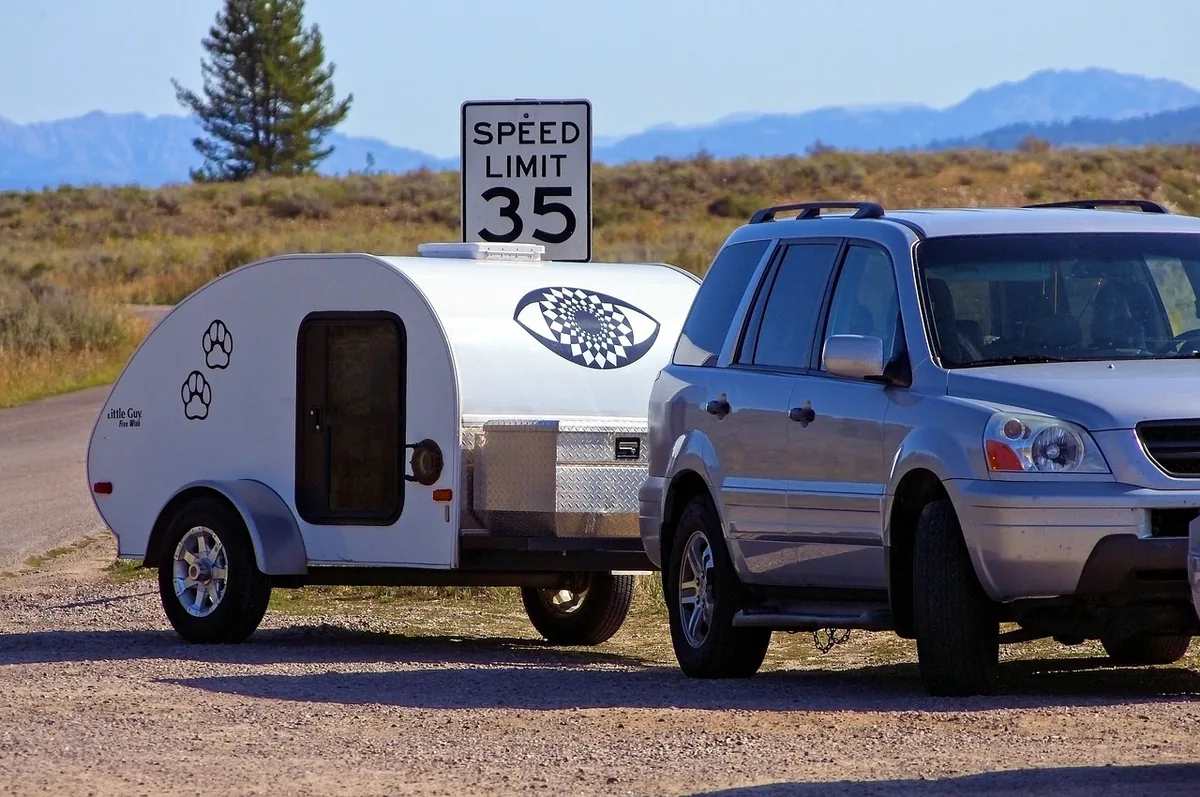
A parked RV or camper combines everything pests need: dark enclosed spaces, undisturbed storage areas, food residue from past trips, and dozens of unsealed entry points designed for plumbing, electrical, and slideout mechanisms. Unlike a house, an RV has a raised floor with an exposed undercarriage full of access panels, pipe penetrations, and wiring holes — essentially an open invitation for anything that crawls.
Mice are the number-one RV pest. According to the National Pest Management Association, rodents seek shelter in structures when outdoor temperatures drop below 50°F. An RV parked in a driveway or storage lot from October through April gives mice 6 months of uninterrupted access. They enter through slide-out gasket gaps, plumbing penetrations, and undercarriage access panels, then nest in seat cushions, wall insulation, and stored clothing — causing thousands of dollars in damage.
The good news: RV pest control is straightforward and inexpensive. A systematic approach to exclusion, trapping, and targeted treatment during winterization prevents the vast majority of problems.
Mice gnaw electrical wiring (fire hazard), contaminate surfaces with urine and droppings (health hazard), shred insulation and upholstery for nesting material, and chew through plumbing lines. A single mouse produces 50–75 droppings per day. By the time you open your RV in spring, mouse damage can include destroyed wiring harnesses, soaked and stained ceiling panels from urine accumulation, and shredded seat cushions. Repair costs frequently exceed $1,000–$3,000.
German cockroaches and American cockroaches thrive in the warm, moist conditions of RV kitchens and bathrooms. They hitchhike in grocery bags and boxes brought inside during trips. In an RV's compact spaces, a small cockroach problem becomes a visible infestation quickly. Their droppings and shed skins trigger allergies and asthma, particularly in the poorly ventilated sleeping quarters of a sealed RV.
Spiders colonize parked RVs during storage, building webs in every corner, cabinet, and storage compartment. In southern states, brown recluse spiders are a genuine concern — they favor the dark, undisturbed spaces that stored RVs provide. Black widows commonly nest in exterior storage compartments and wheel wells.
Paper wasps and mud daubers build nests inside exterior compartments, under awnings, inside slide-out mechanisms, and inside the furnace exhaust vent — which can block airflow and create a carbon monoxide hazard. Check all exterior compartments before opening them at the start of each season.
Clothes moths and carpet beetles damage upholstery, curtains, bedding, and stored clothing during months of dark, undisturbed storage. The damage often goes unnoticed until you unpack stored items in spring.
Winterization is the most important pest prevention window for RV owners. A systematic approach before storage eliminates the conditions pests exploit during months of sitting unused.
Every crumb, every spice packet, every forgotten granola bar in a cabinet. Mice can smell food through packaging and will gnaw through cardboard and plastic to reach it. Remove pet food, birdseed, and anything organic. Clean all surfaces thoroughly, including inside the oven, microwave, refrigerator, and all drawer and cabinet interiors. Wipe down with a vinegar solution to remove food scent residue.
Mice need only a quarter-inch gap to enter. The Penn State Extension recommends a systematic inspection of all utility penetrations as the primary rodent exclusion strategy. Critical RV entry points include:
Slide-out gaskets — the #1 mouse entry on RVs. The rubber seals around slide-outs deteriorate and create gaps, especially at corners. Inspect all gasket edges and replace any that are cracked, compressed, or missing sections.
Undercarriage penetrations — where plumbing, electrical, and propane lines pass through the floor. Pack gaps with copper mesh or steel wool and seal with silicone caulk (mice can chew through expanding foam alone).
Furnace and water heater vents — exterior vent openings allow mice and wasps direct access to interior spaces. Install mesh screens designed for RV appliance vents (available at RV supply stores). Ensure screens do not restrict airflow when appliances are in use.
Access panels and electrical hookup panels — check every access panel on the underside and exterior. Seal gaps with appropriate materials.
Place 6–8 snap traps along walls, under the dinette, in cabinets, and in the bathroom. Use peanut butter as bait. Position traps perpendicular to walls with the trigger plate facing the baseboard. If you can check monthly during storage, re-bait and reset any sprung traps.
Puff CimeXa silica gel dust into storage compartments, behind panel access points, and into any void space accessible from inside. CimeXa kills cockroaches, spiders, silverfish, and other crawling insects through physical dehydration — no chemical toxicity. It lasts for years in dry conditions, making it ideal for long-term RV storage protection.
Store any removable fabric items — cushion covers, curtains, stored clothing — in sealed plastic bags or vacuum-sealed bags. Cedar blocks in closed compartments provide mild deterrence against clothes moths. Remove any wool blankets or natural-fiber textiles that could attract carpet beetles.
Leave cabinet doors and interior doors open. This allows air circulation, prevents moisture buildup that attracts mold mites and silverfish, and makes the interior less attractive to mice seeking enclosed nesting spaces. If possible, leave a roof vent slightly cracked (with a screen) for passive ventilation.
| Entry Point | Pest Risk | Seal Method |
| Slide-out gasket gaps (corners) | Mice (primary) | Replace deteriorated gaskets; copper mesh for gap fill |
| Plumbing penetrations (underside) | Mice, cockroaches | Steel wool + silicone caulk |
| Furnace exhaust vent | Mice, wasps, mud daubers | RV-specific mesh vent screens |
| Water heater exterior vent | Mice, wasps | Mesh vent screens |
| Electrical hookup panel | Mice, spiders | Ensure panel closes flush; seal wiring gaps |
| Undercarriage access panels | Mice, cockroaches, spiders | Verify all panels secure; seal edges with foam tape |
| Roof vents and A/C unit base | Wasps, squirrels | Inspect gaskets; install mesh where possible |
| Propane line penetrations | Mice | Steel wool + silicone around pipe |
Park away from standing water (mosquitoes), tall grass (ticks), and overhanging branches (squirrels, ants, spiders). Inspect the ground around leveling jack locations for fire ant mounds before setting up. Avoid parking directly under lights that attract nighttime flying insects.
Ants enter RVs by climbing leveling jacks, stabilizer legs, and power cords — these are their highways from ground to interior. Apply a thin line of CimeXa dust at the base of each ground contact point to create a barrier. Place ant bait stations inside near entry points. Keep all food in sealed containers and clean up crumbs immediately after meals.
Check under awnings, inside exterior storage compartments, and inside slide-out mechanisms before extending them. Paper wasps build nests in these sheltered spots rapidly during summer — a nest can appear in as little as 48 hours. If you find an active nest, treat at dusk using the safe wasp treatment protocol.
When camping in wooded or grassy areas, tick prevention is essential. Apply permethrin to clothing and outdoor gear (not skin) before trips. Perform tick checks after hiking. Keep the area immediately around the RV clear of leaf litter and tall vegetation where ticks wait for hosts.
Before driving away from a campground, do a quick walk-through for hitchhikers. Stink bugs, spiders, and wasps often board during stays. Check window frames, corners, and the bathroom. A 2-minute inspection prevents bringing campground pests home.
Safe RV treatment methods:
Gel bait — apply small dots of cockroach gel bait in cracks behind the stove, under the refrigerator, inside cabinet hinges, and under the bathroom sink. Contained, targeted, and effective.
CimeXa dust — apply into void spaces, behind access panels, and inside storage compartments using a hand duster. Physical mode of action, lasts years in dry conditions, and poses minimal health risk when applied in enclosed voids.
Snap traps — the only reliable mouse control in an RV. Position along walls and in cabinets. Do not use rodenticide (poison bait) in an RV — a mouse that dies inside a wall cavity or under a cabinet creates an odor problem in the small space that lasts weeks.
Sticky traps — place along walls and in corners to monitor for spiders and crawling insects. These also serve as an early warning system for cockroach activity.
Before your first trip of the season, conduct a thorough pest inspection:
Exterior first. Walk around the RV checking every exterior compartment, wheel well, and undercarriage access panel for wasp nests, mud dauber tubes, and spider webs. Check furnace and water heater vents for wasp nests or rodent nesting material — blockages here are a carbon monoxide hazard.
Interior inspection. Look for mouse droppings in cabinets, under cushions, in the bathroom, and in storage areas. Check all wiring you can access for gnaw damage — focus on the engine compartment (in motorhomes), under the dash, and near the electrical panel. Inspect upholstery, curtains, and stored fabrics for moth or carpet beetle damage.
Systems check. Run the furnace and water heater briefly to verify vent airflow is unobstructed. Test all plumbing for leaks — mice may have chewed supply lines. Check propane lines and connections for rodent damage before using any gas appliance.
Clean and sanitize. Even if no signs of pests are visible, sanitize all food preparation surfaces, wipe down all cabinet interiors, and vacuum all floors and upholstery before your first trip. Replace snap traps with fresh bait.
| Item | Cost | Frequency |
| Snap traps (12-pack) | $8–$15 | Replace each storage season |
| CimeXa dust (4 oz bottle) | $12–$18 | Lasts 2–3+ years |
| Copper mesh / steel wool | $8–$12 | One-time (replace as needed) |
| Silicone caulk | $5–$8 | One-time (replace as needed) |
| RV furnace vent screens (pair) | $10–$20 | Replace every 2–3 years |
| Gel bait (cockroach) | $10–$15 | Each storage season |
| Sticky traps (12-pack) | $5–$8 | Replace each season |
Remove all food and organic materials. Seal every entry point — slide-out gaskets, plumbing penetrations, furnace vents, and access panels — using copper mesh or steel wool sealed with silicone. Place 6–8 snap traps inside along walls. Apply CimeXa dust in voids and compartments. Leave cabinet doors open to reduce nesting appeal.
No. The small enclosed volume concentrates pesticide residue on sleeping surfaces, cooking areas, and upholstery. Foggers are ineffective against RV pests and create serious health risks in small spaces. Use gel bait, CimeXa dust, and snap traps instead.
Dark undisturbed spaces, dozens of unsealed entry points through plumbing and electrical penetrations, food residue, moisture from condensation, and warmth. Slide-out mechanisms create especially large gaps. Even a clean RV provides enough shelter to attract rodents, cockroaches, and spiders during storage.
Apply CimeXa dust at the base of leveling jacks, stabilizer legs, and power cords — these are ant highways from ground to interior. Place bait stations inside near entry points. Keep food sealed, clean up crumbs immediately, and take trash out every evening.
No. Mothball fumes concentrate to dangerous levels in RV-sized spaces and permeate upholstery permanently. The EPA classifies naphthalene as a possible carcinogen. For fabric protection, use sealed bags and cedar blocks. For mice, mothballs are ineffective — use exclusion and snap traps.
Monthly during storage season if possible. Look for mouse droppings, gnaw marks on wiring or packaging, spider webs, wasp nests in exterior compartments, and fabric damage. Reset snap traps and re-apply bait as needed. Monthly checks catch problems before they cause expensive structural damage.
Pest control content on the internet has grown dramatically in volume but not in average quality, and the signals that distinguish reliable sources from unreliable ones are worth knowing. Reliable content typically cites specific products by active ingredient rather than only by brand, references regional variation in pest pressure and treatment efficacy, acknowledges treatment failures and the conditions under which they occur, and avoids absolute claims about results. Unreliable content tends to make universal claims, recommend specific brand products without identifying alternatives, omit the conditions under which advice applies or fails, and write in a tone optimized for affiliate conversion rather than reader understanding. The other useful signal is whether the source discusses cost-benefit and threshold thinking — at what point does treatment become worth doing — versus only providing how-to instructions with the assumption that treatment is the right answer. Sources that engage with the decision dimension are usually more reliable than sources that skip past it. None of these signals are perfect, but applied consistently they filter out a meaningful portion of the lower-quality content that dominates search results for many pest topics.
The residual life of a pesticide is one of the most misunderstood properties in household pest management. Active ingredients vary widely in how long they remain bioavailable on a treated surface, and the same active can behave very differently depending on substrate, exposure to sunlight and rain, temperature, and the formulation it's carried in. A pyrethroid applied to a porous masonry surface in full sun will degrade in days; the same active in a microencapsulated formulation on a protected interior surface may remain effective for months. Understanding this is the difference between an evidence-based treatment schedule and one driven by superstition. Reapplying too soon wastes product and increases selection pressure for resistant individuals; reapplying too late creates gaps in coverage during which pest populations rebound. The right answer depends on specific conditions and is not the same number printed on the bottle in all circumstances. Field experience and willingness to monitor for early signs of pest return are what calibrate the schedule. The label is a guide, but conditions in front of you are the real input.
Pesticide labels are legal documents written to satisfy regulatory requirements, not field guides written to maximize success in a specific home. The instructions cover the broadest reasonable use case, which means they're rarely tuned for the specific construction type, climate, or pest pressure you're dealing with. A label might call for application every six weeks because that's what the registration data supports across a wide range of conditions, but the actual reapplication interval that matches the residual life of the active ingredient in your specific application context could be shorter or longer. This is not an invitation to ignore label directions — doing so is illegal and frequently dangerous — but it does mean that following the label is the floor, not the ceiling, of good practice. Knowledgeable users overlay the label with conditions-aware judgment: shorter re-treatment intervals during heavy rain or high humidity, denser application in known harborage, and supplementary monitoring after treatment to verify that the work actually performed as expected. The label tells you what's permitted; experience tells you what's optimal within that envelope.