The short answer
- Bug zappers don't control mosquitoes. Most of the insects they kill aren't biting mosquitoes, and many are beneficial, including insects that prey on mosquitoes.[2][3][4]
- Electronic mosquito repellers don't prevent bites: all 10 field studies in a Cochrane review found no difference in the number of mosquitoes caught from bare skin with or without one. A blinded trial in homes in Gabon and a 2024 lab test of four ultrasonic repellers also found no significant effect.[1][15][16]
- Ultrasonic pest devices: the FTC has warned more than 60 makers and sellers that claims need scientific support, and earlier FTC complaints said rodents get used to ultrasound and that it doesn't control insects. UC IPM says mice and rats quickly get used to repeated sounds, and lab tests found ultrasonic devices didn't repel bed bugs or fleas and moved too few ticks to prevent bites.[5][12][13][17][18][19]
- UV electric traps and sticky traps do catch house flies and stable flies around barns and horses, but poor manure and debris management, or flies from off the property, limit what they can do. Indoors, UV light traps work best out of sight of windows; outdoor zappers shouldn't be used inside or near food.[8][11][10]
- For mosquitoes, reduce standing water, use repellents and wear protective clothing outdoors.[3]
Pests these devices are sold for
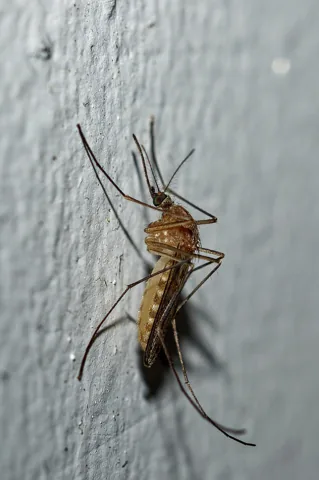 Mosquito
Culicidae (shown: Culex pipiens complex)
Mosquitoes are small, delicate flies whose females feed on blood and can pass on viruses such as West Nile; the control that works best goes after the larvae in standing water.
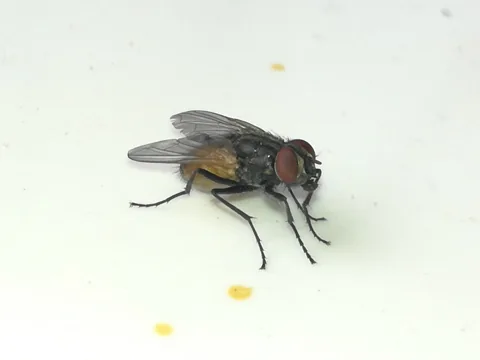 House Fly
Musca domestica
The house fly is a worldwide companion of people and domestic animals; it breeds in garbage, manure and other moist organic matter and is most numerous in hot summer months.
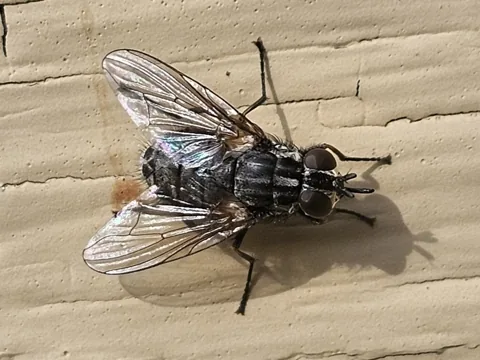 Stable Fly
Stomoxys calcitrans
The stable fly, also called the biting house fly or dog fly, looks much like a house fly but feeds on blood. Cattle are its main hosts, but it also bites horses, dogs and people, especially in neighborhoods near livestock.
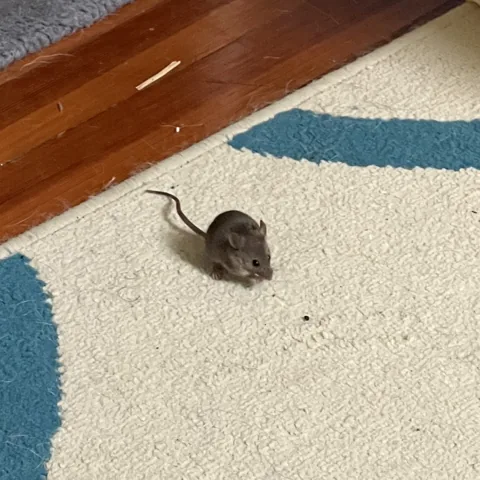 House Mouse
Mus musculus
The house mouse is a small, adaptable rodent that lives close to people in homes, schools and food businesses, eating and contaminating food, gnawing wiring and carrying disease.
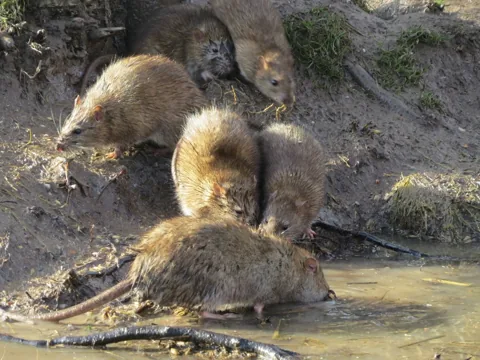 Norway Rat
Rattus norvegicus
The Norway rat, also called the brown or sewer rat, is a large, burrowing rat found throughout the contiguous United States wherever people live.
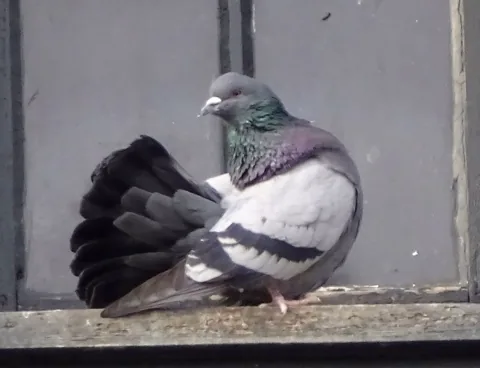 Pigeon (feral rock pigeon)
Columba livia
Feral pigeons are non-native birds that depend on people for food and nesting sites. Flocks on ledges, eaves and rooftops leave heavy, acidic droppings that deface buildings, clog gutters and can carry disease risks.
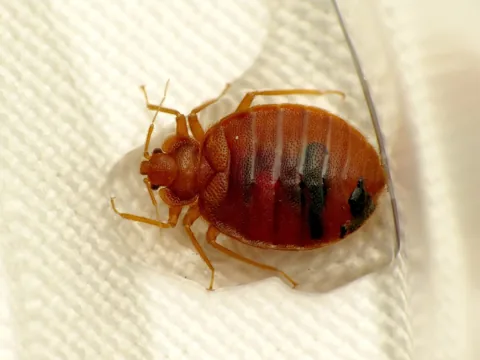 Bed Bug
Cimex lectularius
Bed bugs are wingless, blood-feeding insects that feed on sleeping or resting people, mostly at night; they have resurged worldwide and now turn up even in the finest hotels. CDC says they turn up in five-star hotels and resorts, and how clean a place is does not determine whether bed bugs are present.
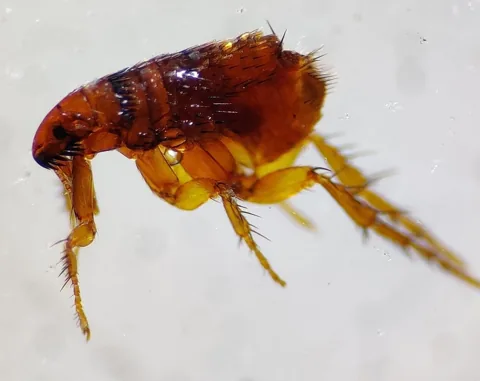 Cat Flea
Ctenocephalides felis
The cat flea is the most common external parasite of domestic cats and dogs, and the flea most often found on both. Adults spend most of their time on the pet, while eggs, larvae and pupae build up wherever the pet rests.
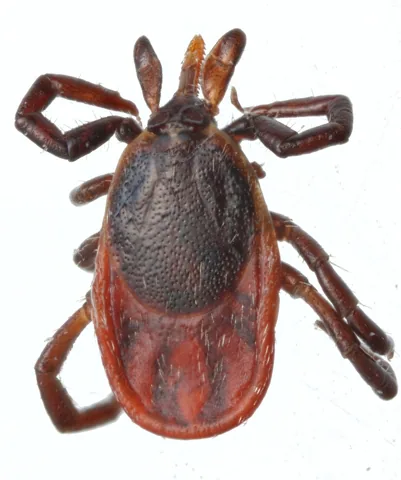 Blacklegged Tick
Ixodes scapularis
The blacklegged tick, often called the deer tick, is widely distributed across the eastern United States and transmits the bacteria that cause Lyme disease along with several other diseases.
Bug zappers
A bug zapper uses an ultraviolet light to draw insects to an electrocuting grid. Texas A&M AgriLife Extension says these traps attract and kill many beneficial insects and don't control the females of biting species.[4]
UW–Madison Extension says zappers kill many kinds of insects, most of them not biting mosquitoes, so they're generally not effective for mosquito control and can affect beneficial insects.[2]
UC IPM goes further and calls electric bug zappers counterproductive, because many of the insects they kill are ones that prey on mosquitoes.[3]
Keep outdoor zappers outside and away from food. Texas A&M says high-voltage outdoor bug zappers shouldn't be used indoors because they scatter insect fragments, and UC IPM warns never to use one near food preparation areas, because an insect's body often bursts on the wires and pieces can be thrown several feet from the device.[11][10]
Where light traps do catch pests
Around barns and horses, sticky traps and ultraviolet electrocution traps catch and kill stable flies and house flies, and baited traps catch house flies but not stable flies.[8]
Traps have limits even there. University of Minnesota Extension says poor debris management, or flies coming from off the property, limit how well fly traps work, and that traps are most effective combined with removing manure and soiled bedding often and keeping facilities clean and dry. The same guide says traps likely kill only a small fraction of the flies around horses, and using them hasn't been proven to make horses more comfortable or protect them from mosquito-borne viruses.[8]
UV light traps for flies indoors
Indoor fly light traps use ultraviolet light to draw flies to a glue board or a low-voltage grid. Texas A&M says they work best on larger flies such as house flies, and are what restaurants and other sensitive commercial sites usually use, while a fly swatter is fine for the occasional fly at home. UC IPM says UV fly traps may be effective indoors, where they aren't competing with daylight.[11][10]
Placement matters. Texas A&M recommends mounting light traps 4 to 6 feet above the floor, the typical flying height of house flies, where they can't be seen from outdoors so they don't draw flies in, and notes that most makers recommend replacing the bulbs every year because UV output fades. In a USDA-ARS study in a large supermarket, smaller traps mounted 2 m up on walls caught significantly fewer flies than larger portable traps on the floor, and switching from white to black glue boards cut catches in both kinds of trap.[11][20]
Light traps don't replace sanitation. Texas A&M says bait traps alone rarely give adequate fly control, though they help find the source and monitor progress, and UC IPM says sanitation and screens should be enough in most homes.[11][10]
Carbon dioxide mosquito traps
Some mosquito traps release carbon dioxide to attract mosquitoes looking for a host. UC IPM says that although they attract host-seeking mosquitoes, they capture only a small proportion of the mosquitoes they draw in.[3][4]
Texas A&M adds that these traps, which use carbon dioxide or human scent, have to be at least as attractive as a person and run continuously while mosquitoes are active, that some are relatively expensive, and that how well they work can vary with wind and airflow.[4]
A single trap might not be enough, because adult mosquitoes often spread over a broad area, so weigh the cost of buying and running a trap against what it catches. Neighborhood programs that trap egg-laying mosquitoes have needed many traps, two or more per yard, to reduce numbers.[3]
Texas A&M says some ovitraps, artificial breeding containers that kill or sterilize mosquitoes that come to lay eggs, can control some species such as Asian tiger mosquitoes, but few are sold at retail and those haven't been thoroughly tested.[4]
Electronic and ultrasonic mosquito repellers
A Cochrane systematic review searched the research on electronic mosquito repellers and found 10 field studies that controlled for location, time and how attractive each volunteer was to mosquitoes. All 10 found no difference in the number of mosquitoes caught from the volunteers' bare skin with or without a device.[1]
The reviewers concluded that electronic mosquito repellers have no effect on preventing mosquito bites, and that there's no justification for marketing them to prevent malaria.[1]
Later tests agree. In a blinded, placebo-controlled trial in nine pairs of houses in Gabon over eighteen nights, there was no significant difference in mosquito landing rates between houses with an ultrasound device and houses with a placebo, for any mosquito species. A 2024 laboratory test by Italy's national health institute of four ultrasonic mosquito repellers found no significant repellent effect on Culex pipiens or Aedes albopictus: the mosquitoes searched for the attractant the same whether the devices were on or off.[15][16]
Extension entomologists agree. UW–Madison says devices that use sound or electronic signals to repel mosquitoes aren't supported by scientific evidence, and UC IPM lists ultrasonic emitters, electric grids and electronic repellers among ineffective mosquito products, along with repellent wristbands, the so-called mosquito plant and vitamin B1.[2][3]
Devices that release an insecticide are a different case. UC IPM says clip-on, battery-operated dispensers of metofluthrin, a pyrethroid that kills and repels mosquitoes, have shown some promise in limited studies; manufacturers claim up to 12 hours of protection per refill, but effectiveness varies from person to person.[3]
Ultrasonic and electromagnetic devices for rodents, insects and birds
In 2001 the Federal Trade Commission sent warning letters to more than 60 manufacturers and retailers of ultrasonic pest-control devices, telling them that claims about eliminating rodents or repelling insects must be backed by scientific evidence. Iowa State University Extension, which reprinted the FTC notice, said there is no research to support claims that ultrasonic devices eliminate rodent and insect pests.[5]
Between 1985 and 1997 the FTC brought actions against six companies over allegedly false and unsubstantiated claims for ultrasonic devices. Those complaints alleged that any reaction by rodents would be temporary at best, because rodents get used to the sound and return to their nesting or feeding areas, and that ultrasound devices don't control insects.[5]
Enforcement continued after that. In 2003 the FTC announced a settlement with a maker of electromagnetic and ultrasonic devices over what it called unsubstantiated claims that the products drove mice, rats and cockroaches out of homes, including claims that the electromagnetic units worked by sending a pulsating signal through the home's wiring. The order barred such claims without competent and reliable scientific evidence. The FTC noted that a consent agreement is not an admission of a law violation.[9]
UC IPM explains why sound doesn't work on rodents: mice and rats are easily frightened by strange or unfamiliar noises, but they quickly get used to repeated sounds. Ultrasound is directional, doesn't get behind objects and loses intensity quickly with distance, and UC IPM says there is little evidence that sound, magnetic or vibration devices of any kind will drive established mice or rats out of buildings.[12][13]
The Internet Center for Wildlife Damage Management's house mouse guide is a little less absolute: it says tests of commercial ultrasonic devices have shown rodents may be repelled from the immediate area for a few days, and that results depend on the frequencies, intensity and the infestation. It still doesn't recommend the devices as a solution to infestations.[14]
The Internet Center for Wildlife Damage Management lists studies showing ultrasonic devices aren't effective in controlling rodents. One researcher it quotes, who says he worked with EPA to help the FTC try to ban ultrasonic devices, says he thinks his group demonstrated that a rodent control program using ultrasonic units was just as successful when the units were turned off.[6]
The same center notes one 2011 study that found some evidence ultrasound kept bats and mice out of an open area, such as an empty floor or open rafters. If that holds up, ultrasound might help move them to places where they can be more easily controlled or tolerated.[6]
Pigeons aren't put off either: ultrasonic sound, which people can't hear, isn't effective on pigeons, and noise-making devices have little lasting effect on roosting pigeons.[7]
Ultrasonic repellers for bed bugs, fleas and ticks
Lab tests haven't found these devices useful against biting pests either. Female bed bugs were as likely to be found in arenas with sound from four commercial ultrasonic repellers as without it, and the authors concluded the devices aren't a promising tool for repelling bed bugs. A test of a pet-collar unit and a household unit found neither affected where fleas or ticks went in a choice chamber over 24 hours, and the fleas, ticks and cockroaches stayed fully active.[17][18]
In a test of nine ultrasonic devices against the Australian paralysis tick, more ticks moved away from the devices than in the control arenas, and the difference was significant for three devices. But at most 19.5% of ticks left, which the authors say is too few to protect against tick bites; they concluded ultrasonic devices shouldn't be used in pest management.[19]
What to rely on instead
- Mosquitoes: remove standing water around your home, avoid overwatering the landscape, use a repellent and wear protective clothing outdoors. See our guides to choosing a repellent and stopping mosquito breeding. UW–Madison calls reducing standing water and managing mosquito habitat the most effective ways to lower mosquito numbers, and suggests dumping standing water weekly.[3][2]
- Flies around animals: manage moisture in manure, bedding, feed and mud, remove manure and soiled bedding often, and use traps as an add-on. Our barn fly guide covers the details. Indoors, sanitation and screens come first, with light traps as a supplement.[8][10][11]
- Mice and rats: UC IPM says to clean up debris, remove food and shelter, seal entryways into buildings, and use traps or baits. See our guide to getting rid of mice in the house.[13]
- Mice, rats, bats and birds: ultrasonic devices aren't a substitute for the methods in our rodent and bird guides.[5][6][7]
Common questions
- Do bug zappers kill any mosquitoes?
- Some, but most of what they kill are other insects, many of them beneficial, and Texas A&M says they don't control the female mosquitoes that bite.[4][2]
- Do plug-in ultrasonic repellers keep mice away?
- The evidence says no. FTC complaints alleged that rodents get used to the sound and return, and wildlife damage specialists cite studies showing the devices aren't effective in controlling rodents.[5][6]
- Are there any mosquito devices that work?
- Not sound-based ones. Battery-powered dispensers that release the insecticide metofluthrin have shown some promise in limited studies, and carbon dioxide traps catch some mosquitoes but only a small share of those they attract.[1][2][3]
- Can I use a bug zapper in the kitchen or on a porch next to food?
- No. Texas A&M says outdoor zappers shouldn't be used indoors because they scatter insect fragments, and UC IPM says insect parts can be thrown several feet from the grid. Indoors, a UV light trap with a glue board placed out of sight of windows is the usual choice.[11][10]
- Do ultrasonic repellers keep away bed bugs, fleas or ticks?
- Lab tests say no: commercial ultrasonic devices didn't repel bed bugs, didn't change where fleas or ticks went, and in the best case moved 19.5% of paralysis ticks away, which the researchers say is too few to protect against bites.[17][18][19]
Photo credits
- Mosquito: (c) Donald Davesne, some rights reserved (CC BY) — via iNaturalist, CC BY 4.0
- House Fly: ivan_humljani, public domain (CC0), via iNaturalist
- Stable Fly: (c) Phoenix M.S, some rights reserved (CC BY) — via iNaturalist, CC BY 4.0
- House Mouse: (c) Carrie Seltzer, some rights reserved (CC BY) — via iNaturalist, CC BY 4.0
- Norway Rat: petehawkins, public domain (CC0), via iNaturalist
- Pigeon (feral rock pigeon): (c) cornwallcen, some rights reserved (CC BY) — via iNaturalist, CC BY 4.0
- Bed Bug: (c) Katja Schulz, some rights reserved (CC BY) — via iNaturalist, CC BY 4.0
- Cat Flea: (c) Thomas Gyselinck, some rights reserved (CC BY) — via iNaturalist, CC BY 4.0
- Blacklegged Tick: (c) Christian Back, some rights reserved (CC BY) — via iNaturalist, CC BY 4.0
Sources
- Cochrane Database of Systematic Reviews, via PubMed, “Enayati, Hemingway and Garner (2007), Electronic mosquito repellents for preventing mosquito bites and malaria infection, Cochrane Database of Systematic Reviews CD005434.” pubmed.ncbi.nlm.nih.gov/17443590/ (accessed 2026-11-11). Cited from the PubMed abstract.
- University of Wisconsin-Madison Extension, Wisconsin Horticulture, “Making Informed Mosquito Control Decisions (published August 6, 2026).” hort.extension.wisc.edu/articles/making-informed-mosquito-control-decisions/ (accessed 2026-11-11)
- University of California Statewide IPM Program, “Pest Notes: Mosquitoes (Home and Landscape).” ipm.ucanr.edu/home-and-landscape/mosquitoes/ (accessed 2026-11-11)
- Texas A&M AgriLife Extension, “ENTO-054: Do-It-Yourself Backyard Mosquito Control (June 2016).” agrilifeextension.tamu.edu/wp-content/uploads/2025/07/Mosquitoes-Backyard-Mosquito-Control-1.pdf (accessed 2026-11-11)
- Iowa State University Extension and Outreach, Yard and Garden, “Ultrasonic Pest Control - Buyer Beware (reprints FTC release of May 3, 2001).” yardandgarden.extension.iastate.edu/article/2001/8-24-2001/ultrasonic.html (accessed 2026-11-11)
- Internet Center for Wildlife Damage Management, “Ultrasound as a Repellent.” icwdm.org/management/repellents/ultrasound/ (accessed 2026-11-11)
- Internet Center for Wildlife Damage Management, “Pigeon Damage Control and Prevention Methods.” icwdm.org/species/birds/pigeons/pigeon-damage-control-and-prevention-methods/ (accessed 2026-11-11)
- University of Minnesota Extension, “Fly control around horses.” extension.umn.edu/horse-care-and-management/fly-control-around-horses (accessed 2026-11-11)
- U.S. Federal Trade Commission, “Marketer of Pest Control Devices Required to Provide Support for Claims (July 2003).” search.ftc.gov/news-events/news/press-releases/2003/07/marketer-pest-control-devices-required-provide-support-claims (accessed 2026-11-11)
- University of California Statewide IPM Program, “Pest Notes: Flies, UC ANR Publication 7457.” ipm.ucanr.edu/home-and-landscape/flies/ (accessed 2026-11-11)
- Texas A&M AgriLife Extension Service, “Indoor Flies and Their Control.” agrilifeextension.tamu.edu/library/insects/indoor-flies-and-their-control/ (accessed 2026-11-11)
- University of California Statewide IPM Program, “Pest Notes: Rats (Home and Landscape).” ipm.ucanr.edu/home-and-landscape/rats/ (accessed 2026-11-11)
- University of California Statewide IPM Program, “House Mouse (Pest Notes, Home and Landscape).” ipm.ucanr.edu/home-and-landscape/house-mouse/ (accessed 2026-11-11)
- Internet Center for Wildlife Damage Management, “House Mouse Damage Prevention and Control Methods.” icwdm.org/species/rodents/house-mice/house-mouse-damage-prevention-and-control-methods/ (accessed 2026-11-11)
- Wiener Klinische Wochenschrift, via PubMed, “Sylla, Lell and Kremsner (2000), A blinded, controlled trial of an ultrasound device as mosquito repellent, Wien. Klin. Wochenschr. 112(10):448-450.” pubmed.ncbi.nlm.nih.gov/10890136/ (accessed 2026-11-11)
- Annali dell'Istituto Superiore di Sanita, via PubMed, “Toma et al. (2024), Evaluation of four common electronic mosquito repellers on Aedes albopictus and Culex pipiens, Ann. Ist. Super. Sanita 60(4):258-263.” pubmed.ncbi.nlm.nih.gov/39699979/ (accessed 2026-11-11)
- Journal of Economic Entomology, via PubMed, “Yturralde and Hofstetter (2012), Efficacy of commercially available ultrasonic pest repellent devices to affect behavior of bed bugs, J. Econ. Entomol. 105(6):2107-2114.” pubmed.ncbi.nlm.nih.gov/23356076/ (accessed 2026-11-11)
- Journal of the South African Veterinary Association, via PubMed, “Brown and Lewis (1991), The efficacy of ultrasonic pest controllers for fleas and ticks, J. S. Afr. Vet. Assoc. 62(3):110-113.” pubmed.ncbi.nlm.nih.gov/1770480/ (accessed 2026-11-11)
- Insects (MDPI), via PubMed, “Panthawong, Doggett and Chareonviriyaphap (2021), The efficacy of ultrasonic pest repellent devices against the Australian paralysis tick, Ixodes holocyclus, Insects 12(5):400.” pubmed.ncbi.nlm.nih.gov/33946185/ (accessed 2026-11-11)
- Journal of Economic Entomology (USDA-ARS author), via PubMed, “Hogsette (2021), Factors affecting numbers of house flies captured by ultraviolet light traps in a large retail supermarket, J. Econ. Entomol. 114(2):988-992.” pubmed.ncbi.nlm.nih.gov/33459775/ (accessed 2026-11-11)